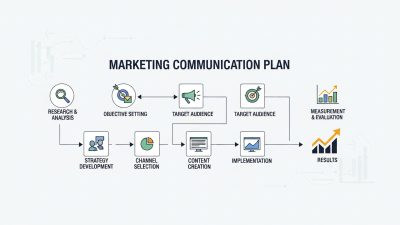

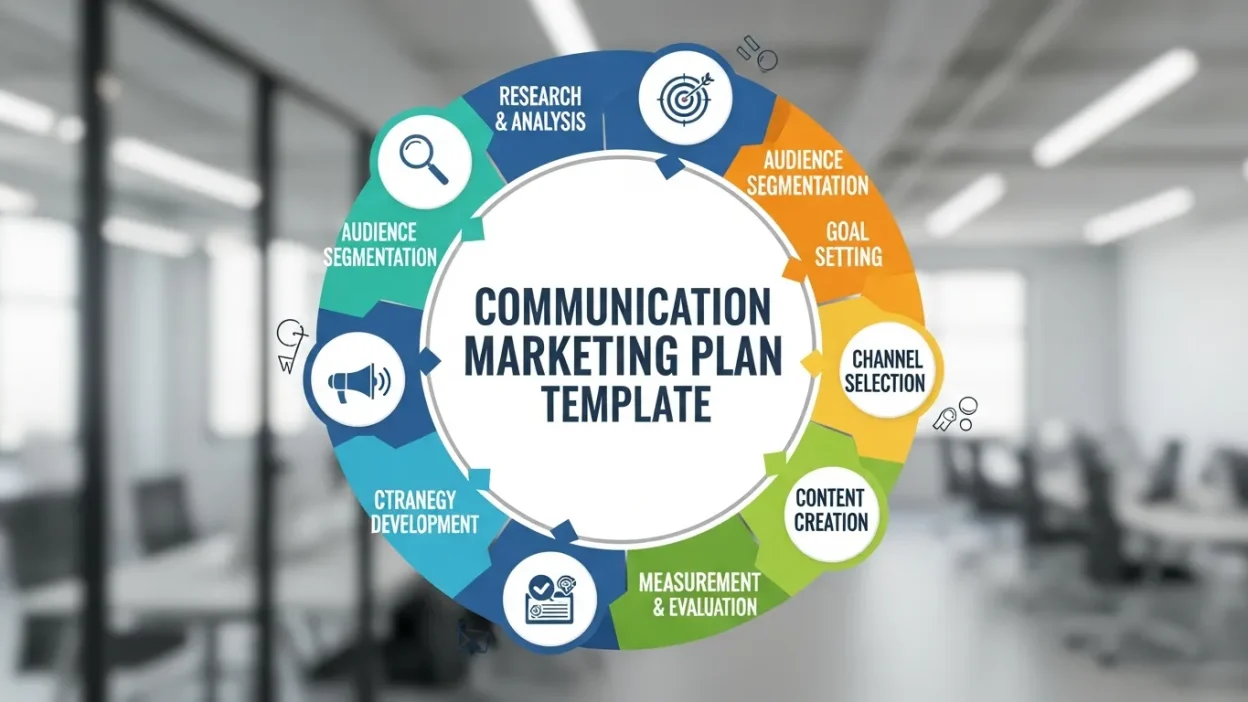
A communication marketing plan guides businesses in delivering consistent, goal-oriented messages across channels. By setting SMART objectives, researching audiences, creating a message framework, choosing channels, and continuously monitoring campaigns, companies can optimize engagement, conversions, and ROI. Regular review and adjustments ensure long-term effectiveness, helping brands strengthen customer relationships and achieve sustainable growth.
Creating a clear and actionable communication marketing plan is an essential step for businesses aiming to effectively engage with their audience and achieve measurable success. Whether you’re launching a new product, entering a new market, or simply nurturing existing customer relationships, a well-structured plan ensures that every message you share is purposeful, consistent, and aligned with your overall business objectives. It provides a strategic framework for coordinating marketing activities across different channels, preventing scattered or inconsistent communication that can dilute your brand identity.
A robust communication marketing plan also helps in prioritizing resources, defining target audiences, selecting appropriate messaging, and measuring campaign performance. By having a documented plan in place, businesses can anticipate challenges, respond proactively to market trends, and maintain clarity in internal and external communications. Ultimately, a strong plan not only enhances audience engagement but also drives customer loyalty, builds brand credibility, and maximizes return on investment (ROI) across all marketing initiatives.
Why You Need a Communication Marketing Plan
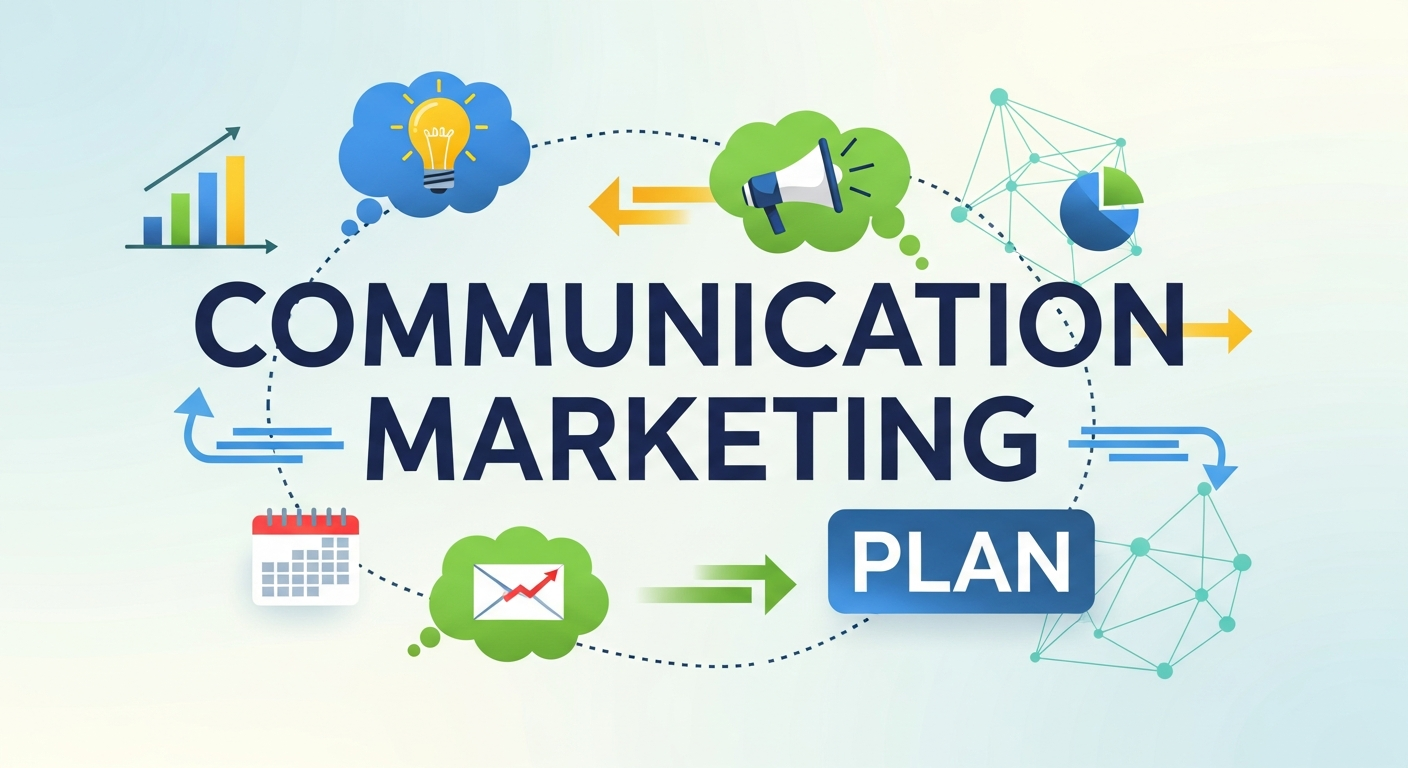
Without a structured plan, your marketing efforts may seem scattered and disjointed. A marketing communication plan acts as your blueprint to help you deliver consistent, targeted messages to your audience. Not only does this build brand trust but also maximizes the ROI (Return On Investment) from your campaigns.
In conclusion, before doing anything figure out what it is that you want to accomplish. Do you hope to increase the profile of a brand, improve sales figures, raise visitor numbers to your website or persuade existing customers to stay loyal?
Make sure that your goals are SMART (Specific, Measurable, Achievable, Relevant, Time-bound). In other words, instead of writing “Drive traffic,” you could write something like “Increase website traffic by 20% over the next three months.”
Pro Tip: Set smaller milestones to track progress better along the way when you have big goals.
Step 2: Investigate & Understand Your Target Audience
The root of success lies in understanding your audience. Who is your ideal customer? What are their demographic details, their behaviors, their problems, and their preferences?
Tools to aid with this process are Google Analytics, surveys and audience segmentation reports. The more you know about your audience, the more pinpointed and effective your communication will become.
Customer profiles can deepen your understanding and add fine detail to campaign planning, covering aspects such as age, occupation, values, problems and communication preferences.
Step 3: Create a Message Framework
Your message is to link right up with your objectives and the taste of your target audience. Think back on the core message you want to get across and make sure it fits in with your brand’s voice and reputation.
A good message framework should contain:
-
Brand Commitment: Specific value promises
-
Emotions: What emotions would you like to evoke
-
Call-to-action (CTA): What do you want your target audience to do in concrete terms
For example, if you are aiming at professional buyers looking for productivity apps, your message might be “saving time” and “enhancing efficiency.” Complement these with CTA like “Download the app now” so the user knows what to do and is motivated to complete it.
Step 4: Select Channels and Tactics
Identify the most effective communication channels to reach your audience such as social media, email campaigns, blogs, events and sponsored content.
To maintain consistency across all platforms, design specific channel strategies but don’t forget your big brand positioning. Such as, for LinkedIn your communications might show them being used in scenes with people from different occupations. Or while your Instagram posts may concentrate on captivating pictures, a blog could be more about thought leadership.
Popular platforms include:
-
Social Media (LinkedIn, Instagram)
-
Email Newsletters
-
Public Relations
-
Event Marketing
-
Getting Creative With Influencers
Using a blend of paid, earned, shared, and owned media can help to diversify your communications.
Step 5: Create A Detailed Timeline
A timeline for campaign launches is the strategy blueprint. Picture every marketing milestone, posting schedule and launch date to stay on track.
Each action item should detail what’s required and who in your team will take responsibility. A timetable ensures nothing gets missed and everyone is pulling in the same direction.
Step 6: Monitor, Measure, Optimize
You can’t just say the communication marketing plan has finished when you press “Send” or push out to Facebook. Regularly monitor and evaluate campaign performance using tools such as Google Analytics, HubSpot or even social media insights.
Key performance indicators (KPIs) may include:
-
Website traffic
-
Email open rates
-
Click-through rates (CTR)
-
Conversions
-
Social media engagement
Optimize based on results:
If your email open rates are on the low side, A/B test a few subject lines. If you’re just not getting engagement on social media posts, play around with text lengths and tone — try changing it to a more serious or more humorous tale for example? And if that doesn’t work… well, it’s back to the drawing board for those ones! If campaigns are not producing conversions, refine your CTAs or landing pages.
Continuous optimization means that you are always improving – and getting results.
Example of a Communication Marketing Plan Template
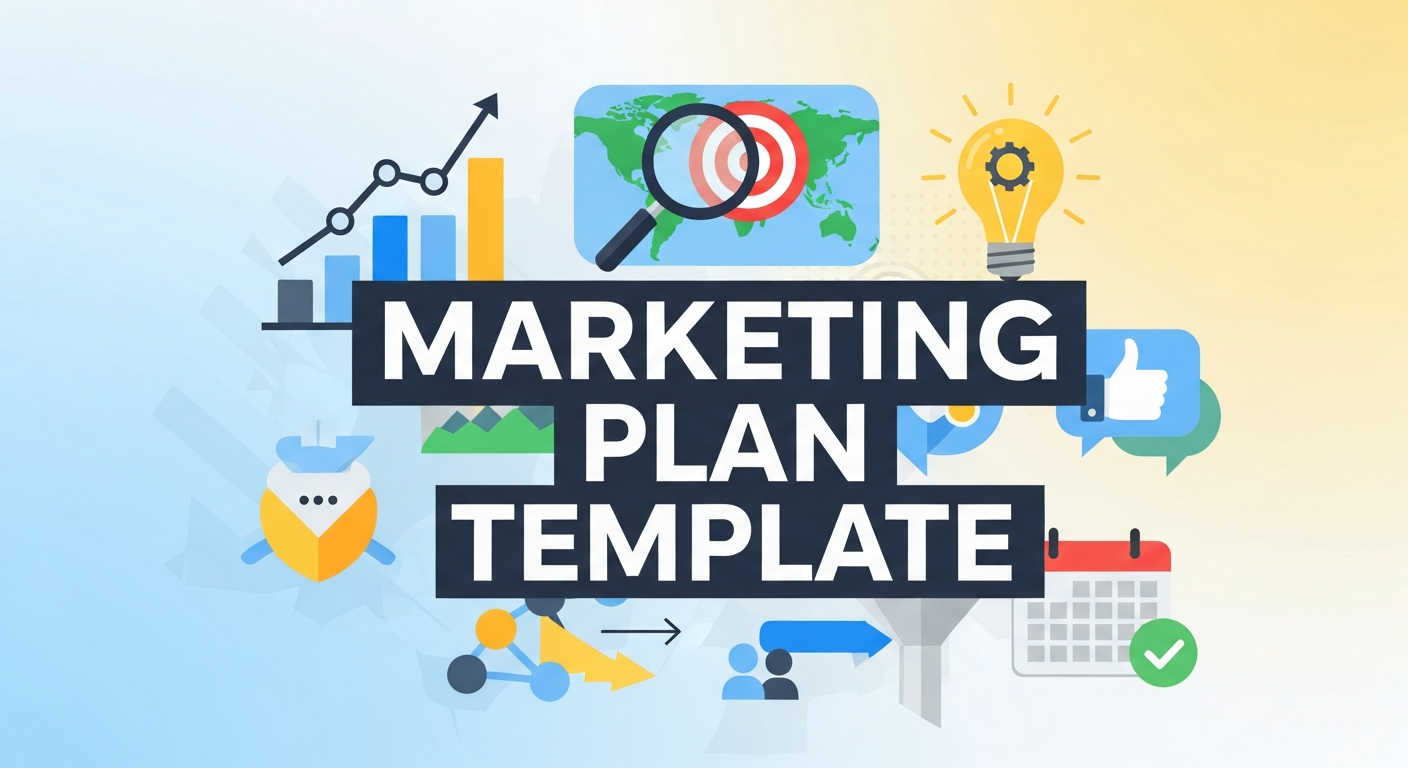
Here’s an initial template. Tailor it for your business needs.
-
Goals/Objectives Sample: Increase brand awareness by obtaining 5,000 more followers on social media in three months.
-
Audience Insights: Demographics, interests, pain points and behavior.
-
Messaging: Brand commitment, voice and calls-to-action.
-
Channel: Social media platforms, email, blog content, etc.
-
Timeline, Deliverables: Key dates, content schedules and who will handle each thing.
A few examples of measurable objectives are clickthrough rates, conversions, or increases in traffic on your site.
Create Consistency and Have an Effect
A disciplined marketing plan can cause your business to go from just an average name to one which is deeply rooted in the hearts and minds of your customers. Following these steps will yield a plan that fosters meaningful interaction and achieves business success.
Still not sure where to start? You can try this set of rules to tailor the template to your own unique situation, or find a marketing specialist for further help.
Importance of a Communication Marketing Plan
A communication marketing plan provides a structured approach to engaging your audience and achieving business goals. Without a clear plan, campaigns risk being inconsistent and unfocused, which can dilute your brand messaging. By outlining objectives, target audiences, channels, and timelines, businesses ensure messages are aligned with goals. This consistency fosters trust, increases brand visibility, and improves ROI, making your campaigns more effective and measurable over time.
Setting SMART Goals
SMART goals are specific, measurable, achievable, relevant, and time-bound. Clear goals guide your communication strategy, such as increasing website traffic by 20% in three months or growing social media followers by 5,000 in the same period. Break larger goals into smaller milestones to monitor progress. A structured goal-setting approach ensures campaigns stay focused and provides benchmarks to measure performance, keeping your team accountable and results-driven.
Audience Research and Segmentation
Understanding your target audience is crucial for effective communication. Research demographics, behaviors, pain points, and preferences using tools like Google Analytics, surveys, and segmentation reports. Develop detailed customer profiles covering age, occupation, values, and communication style. Tailoring messages to each segment ensures relevance and engagement, improves lead quality, and strengthens brand relationships by addressing real customer needs with precision.
Crafting a Message Framework
A message framework aligns your content with brand objectives and audience preferences. Include brand commitment, emotional appeal, and clear calls-to-action (CTAs). For example, a productivity app could emphasize “time-saving” and “efficiency,” complemented by a CTA like “Download Now.” Consistency in tone, voice, and messaging across channels ensures brand recognition and reinforces trust while motivating the audience to act on your campaigns.
Choosing Communication Channels
Select channels that best reach your audience. Options include social media (LinkedIn, Instagram), email newsletters, blogs, public relations, events, and influencer marketing. Tailor content per platform: LinkedIn for professional insights, Instagram for visually compelling stories, and blogs for thought leadership. A mix of paid, earned, shared, and owned media maximizes reach and engagement while maintaining a cohesive brand voice across all touchpoints.
Planning Tactics and Content Types
Define specific tactics and content types per channel. Examples include carousel ads, short videos, webinars, email drip campaigns, or case studies. Each content piece should serve campaign objectives, whether generating leads, increasing awareness, or nurturing relationships. Planning ensures content diversity, relevance, and alignment with customer journey stages, improving overall engagement and maximizing campaign effectiveness.
Developing a Detailed Timeline
A timeline maps out key campaign milestones, posting schedules, and deadlines. Assign responsibilities to team members to ensure accountability. A visual calendar helps avoid missed deadlines, overlap, or inconsistent posting. This organized approach keeps everyone aligned, ensures timely execution, and provides a clear roadmap for tracking progress throughout the campaign lifecycle.
Budget Allocation
Allocate budget according to channel effectiveness, campaign priorities, and expected ROI. Consider production costs, ad spend, influencer fees, and content creation resources. Periodically review spending versus performance to reallocate funds to high-performing channels. A transparent, flexible budget ensures campaigns remain cost-effective while maximizing results and maintaining financial control.
Conclusion
A well-structured communication marketing plan ensures your messages are consistent, targeted, and measurable. By defining goals, understanding your audience, selecting the right channels, and continuously monitoring performance, your business can build trust, boost engagement, and achieve sustainable growth. Consistent execution and optimization are key to maximizing ROI and maintaining long-term customer relationships.
FAQs
1. What is a communication marketing plan?
A communication marketing plan is a comprehensive roadmap that outlines your marketing objectives, identifies your target audience, selects the right communication channels, crafts key messaging, and sets timelines for execution. It serves as a blueprint to coordinate efforts across teams and ensures campaigns are strategically aligned with overall business goals.
2. Why is it important?
A communication marketing plan ensures consistency in messaging, maintains your brand voice, and aligns all marketing activities with business objectives. It also maximizes ROI by guiding resources efficiently, avoiding duplication of effort, and focusing on high-impact strategies that deliver measurable results.
3. How do I set marketing goals?
Marketing goals should follow the SMART framework: specific, measurable, achievable, relevant, and time-bound. Clear goals, such as increasing website traffic by 20% in three months, provide focus and benchmarks. Breaking large goals into smaller milestones allows easier tracking and timely adjustments.
4. How do I define my target audience?
Defining your audience involves analyzing demographics, behaviors, interests, and challenges using tools like Google Analytics, surveys, and social media insights. Creating detailed customer profiles or personas ensures messaging is relevant and resonates with the right people. Understanding audience preferences boosts engagement, lead quality, and conversion rates.
5. What is a message framework?
A message framework structures content around brand values, emotional appeal, and clear calls-to-action (CTAs). It ensures all communication aligns with objectives and connects with the audience on a personal level. A strong framework maintains consistency across channels and reinforces brand identity.
6. Which communication channels should I use?
Select channels where your audience is most active and engaged, such as social media platforms, email campaigns, blogs, events, and PR. Each channel serves a distinct purpose—social media for engagement, email for nurturing, blogs for thought leadership—creating a multi-channel, cohesive approach.
7. How do I plan content types?
Content planning involves aligning content with audience needs and campaign objectives. Examples include videos, blog posts, email newsletters, webinars, infographics, and case studies. A varied content mix keeps campaigns fresh, engages different audience segments, and supports all stages of the customer journey.
8. How do I manage timelines?
Timelines ensure campaigns run smoothly. Create a detailed schedule with milestones, posting dates, and team responsibilities. This prevents missed deadlines, keeps teams coordinated, and allows for timely execution while tracking progress and efficiency.
9. How do I measure campaign performance?
Measure success using KPIs such as website traffic, click-through rates (CTR), conversions, social media engagement, and email metrics. Analytics tools like Google Analytics, HubSpot, and platform insights provide actionable data. Regular performance reviews identify what’s working and highlight areas for improvement.
10. How often should I optimize campaigns?
Campaigns should be continuously optimized using performance data. Test messaging, visuals, posting times, and audience targeting through A/B testing or analytics insights. Ongoing adjustments improve engagement, conversions, and overall effectiveness, keeping campaigns relevant in changing markets.
11. How do I ensure budget efficiency?
Budget efficiency is achieved by allocating resources based on channel performance and campaign ROI. Monitor spending regularly and reassign funds to high-performing initiatives. Effective budgeting prevents waste, maximizes returns, and allows scaling of successful campaigns.
12. Should I update my marketing plan regularly?
Yes, marketing plans must be reviewed and updated frequently to reflect campaign outcomes, audience behavior changes, and market trends. Regular updates maintain relevance, allow continuous improvement, and support sustainable growth over the long term.