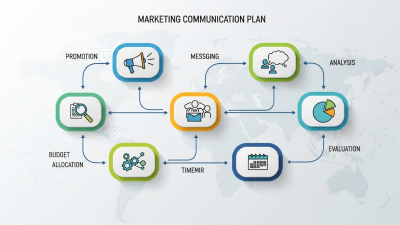


Corporate marketing communications unify brand messaging, reputation management, and stakeholder engagement across all channels. By aligning communication strategy with business goals, organizations build trust, consistency, and long-term value. Effective corporate communications go beyond promotion—strengthening relationships with customers, employees, investors, and the public while supporting sustainable growth.
Corporate marketing communications often feel like shouting into the void. Despite carefully crafted messages and substantial budgets, many companies struggle to connect meaningfully with their audiences. The result? Generic content that fails to differentiate brands or drive meaningful engagement.
The challenge lies not in the lack of communication, but in the quality and strategic approach behind it. Effective corporate marketing communications require more than polished messaging—they demand a deep understanding of audience needs, clear strategic objectives, and seamless integration across all touchpoints.
Understanding Corporate Marketing Communications

Corporate marketing communications encompass all the ways a company communicates with its stakeholders—from customers and prospects to employees, investors, and the broader public. This includes everything from advertising campaigns and social media content to internal newsletters and investor presentations.
Unlike product-specific marketing, corporate communications focus on building and maintaining the overall brand reputation. They communicate company values, culture, and strategic direction while supporting specific business objectives like lead generation, customer retention, or talent acquisition.
The most effective corporate communications strategies align closely with business goals while maintaining consistency across all channels and touchpoints. This alignment ensures that every piece of communication contributes to broader organizational objectives rather than operating in isolation.
Core Components of Effective Corporate Communications
Brand Messaging and Voice
Your brand voice serves as the foundation for all corporate communications. It reflects your company’s personality, values, and positioning in the market. Developing a consistent voice requires clarity about who you are as an organization and how you want to be perceived.
Successful brand messaging goes beyond catchy taglines. It includes the key messages that differentiate your company from competitors, communicate your value proposition, and address the specific needs and concerns of your target audiences. These messages should be adaptable across different channels while maintaining their core meaning and impact.
Documentation plays a crucial role in maintaining consistency. Style guides, messaging frameworks, and tone of voice guidelines help ensure that everyone creating content on behalf of your organization communicates in a unified way.
Audience Segmentation and Targeting
Effective corporate communications recognize that different audiences have different information needs, preferences, and communication styles. A message that resonates with potential customers may not be appropriate for current employees or industry analysts.
Start by identifying your key stakeholder groups and understanding their unique characteristics, challenges, and communication preferences. This might include customers at different stages of the buying journey, employees across various departments and levels, industry partners, investors, and media representatives.
For each audience segment, develop specific messaging that addresses their particular interests and concerns while maintaining alignment with your overall brand voice and corporate objectives.
Multi-Channel Integration
Corporate communications happen across numerous channels, from traditional media and advertising to digital platforms, events, and direct communications. The key is ensuring these channels work together cohesively rather than competing for attention or delivering conflicting messages.
Digital channels offer particular opportunities for corporate communications. Company websites, social media platforms, email newsletters, and content marketing programs allow for direct, ongoing dialogue with stakeholders. These channels also provide valuable data about audience engagement and content performance.
Traditional channels remain important for many organizations, especially those targeting specific industries or demographics. Press releases, industry publications, trade shows, and speaking opportunities can effectively reach key stakeholders and build credibility within specific sectors.
Developing Your Communications Strategy
Setting Clear Objectives
Every corporate communications initiative should begin with clearly defined objectives that align with broader business goals. These might include increasing brand awareness, improving employee engagement, supporting lead generation efforts, or managing reputation during challenging periods.
Specific, measurable objectives make it easier to develop targeted strategies and evaluate success. Rather than aiming to “improve brand awareness,” consider objectives like “increase unaided brand recognition among target customers by 15% within six months” or “achieve 25% employee participation in internal communications surveys.”
Your objectives should also consider the competitive landscape and market conditions that might influence your communications effectiveness. Understanding these external factors helps you set realistic expectations and develop strategies that account for potential challenges.
Content Planning and Development
Consistent, valuable content forms the backbone of effective corporate communications. This requires strategic planning that considers audience needs, business priorities, and available resources. A well-structured content calendar helps ensure regular communication while avoiding last-minute scrambles for material.
Focus on creating content that serves your audience’s interests while advancing your business objectives. This might include thought leadership articles, industry insights, company updates, employee spotlights, or educational resources that demonstrate your expertise.
Quality matters more than quantity. It’s better to produce fewer pieces of high-quality, strategically aligned content than to overwhelm your channels with generic material that fails to engage your audience or support your objectives.
Crisis Communication Preparedness
Even organizations with strong reputations may face situations that require careful communication management. Having a crisis communication plan in place helps you respond quickly and appropriately when issues arise, protecting your reputation and maintaining stakeholder trust.
Your crisis communication plan should identify potential risk scenarios, establish clear decision-making processes, and outline key messages for different types of situations. It should also designate spokespersons and communication channels for different scenarios.
Regular training and simulation exercises help ensure your team can execute the plan effectively under pressure. This preparation proves invaluable when facing real crisis situations where quick, coordinated responses can significantly impact outcomes.
Measuring Communications Effectiveness

Key Performance Indicators
Measuring corporate communications effectiveness requires metrics that align with your strategic objectives. These might include traditional measures like media coverage and brand awareness surveys, as well as digital metrics such as website traffic, social media engagement, and email open rates.
Employee engagement metrics provide important insights for internal communications effectiveness. Regular surveys, participation rates in company initiatives, and retention statistics can indicate how well your internal communications are supporting company culture and employee satisfaction.
Lead generation and customer acquisition metrics help evaluate how well your corporate communications support sales objectives. This might include tracking how brand awareness campaigns influence lead quality or how thought leadership content contributes to the sales pipeline.
Return on Investment Analysis
Calculating ROI for corporate communications can be challenging because the benefits often extend beyond immediate, measurable outcomes. However, establishing connections between communications activities and business results helps justify investments and optimize future strategies.
Consider both direct and indirect benefits when evaluating ROI. Direct benefits might include leads generated from content marketing or cost savings from effective internal communications. Indirect benefits could include improved employee retention, enhanced brand reputation, or increased customer lifetime value.
Long-term tracking often provides more meaningful insights than short-term measurements. Brand building and reputation management deliver cumulative benefits that may not be apparent in immediate metrics but significantly impact long-term business success.
Technology and Tools for Modern Communications
Digital Platforms and Automation
Technology has transformed corporate communications, offering new opportunities for personalization, automation, and measurement. Customer relationship management systems, marketing automation platforms, and social media management tools can significantly improve communications efficiency and effectiveness.
Email marketing platforms enable sophisticated segmentation and personalization, allowing you to deliver targeted messages to specific audience groups. Social media management tools help maintain consistent presence across multiple platforms while providing valuable analytics about audience engagement.
Content management systems and collaboration tools facilitate better coordination among team members, ensuring consistent messaging and efficient workflow processes. These tools become particularly important as organizations grow and communications responsibilities are distributed across multiple departments.
Analytics and Data-Driven Insights
Modern communications strategies rely heavily on data to guide decision-making and optimize performance. Web analytics, social media insights, and email marketing metrics provide detailed information about audience behavior and content performance.
Advanced analytics can reveal patterns and trends that inform strategic decisions. For example, analyzing which types of content generate the most engagement can guide future content development, while tracking audience demographics can inform targeting strategies.
Regular reporting and analysis help identify what’s working and what needs improvement. This ongoing optimization approach ensures your communications strategy evolves with changing audience preferences and market conditions.
Building Your Communications Team
Effective corporate communications require diverse skills and expertise. Depending on your organization’s size and needs, this might include writers, designers, strategists, social media specialists, and data analysts. Some organizations maintain full in-house teams, while others combine internal resources with external partners.
Clear roles and responsibilities help ensure efficient coordination and avoid duplicated efforts. Establish processes for content approval, brand consistency review, and performance measurement that support quality while enabling timely execution.
Professional development and training keep your communications team current with evolving best practices, technologies, and industry trends. This investment in team capabilities pays dividends in improved strategy execution and innovation.
Creating Communications That Drive Results

Corporate marketing communications succeed when they authentically represent your organization while meaningfully serving your audience’s needs. This requires ongoing commitment to understanding your stakeholders, refining your approach based on performance data, and maintaining consistency across all touchpoints.
Start by auditing your current communications to identify strengths, gaps, and opportunities for improvement. Use this assessment to prioritize initiatives that will have the greatest impact on your strategic objectives. Remember that building an effective communications program takes time, but the investment in strategic planning and execution delivers lasting benefits for your organization.
Focus on creating genuine value for your audiences rather than simply promoting your organization. When your communications help stakeholders solve problems, make informed decisions, or achieve their goals, you build the trust and credibility that drive long-term business success.
Frequently Asked Questions (FAQs)
1. What are corporate marketing communications?
Corporate marketing communications encompass all messaging a company uses to convey its brand, values, culture, and strategic direction to stakeholders. This includes advertising, PR, internal communications, investor relations, social media, and content marketing. The goal is to maintain consistent messaging that builds trust, enhances reputation, and supports business objectives.
2. How do corporate communications differ from marketing?
Marketing focuses on promoting products or services to generate leads, sales, or conversions. Corporate communications, on the other hand, focuses on building credibility, shaping brand perception, and maintaining trust among employees, investors, customers, and the public. While marketing drives demand, corporate communications strengthens reputation and long-term stakeholder relationships.
3. Why is consistency important in corporate messaging?
Consistent messaging ensures that all stakeholders perceive the brand in the same way, which strengthens credibility and trust. When communications are aligned across channels, departments, and campaigns, it prevents confusion, reinforces brand identity, and makes messaging more memorable over time.
4. Who are the key audiences for corporate communications?
Key audiences include customers, employees, investors, business partners, media representatives, regulators, and the general public. Each group has unique needs and expectations, requiring tailored messaging while maintaining a consistent overall brand voice and tone.
5. How do you measure corporate communication success?
Success is measured through a combination of metrics: audience engagement, brand awareness surveys, media coverage, internal feedback, and impact on business objectives like sales or employee retention. Tracking both quantitative (clicks, impressions, conversions) and qualitative (sentiment, trust) indicators provides a full picture.
6. Is corporate communication only external?
No. Internal communications are equally critical. They ensure employees understand company goals, culture, and updates, which boosts engagement, morale, and alignment. Strong internal communication supports external reputation because informed employees act as brand ambassadors.
7. What role does leadership play?
Leaders communicate vision, strategy, and values. Their visibility, authenticity, and consistency influence stakeholder trust and credibility. Effective leadership communication reinforces organizational priorities, inspires teams, and provides confidence to investors, partners, and customers alike.
8. How does corporate communication support sales?
Corporate communications build trust, authority, and brand recognition, which shortens sales cycles and improves lead quality. By demonstrating expertise and reliability through thought leadership, case studies, and consistent messaging, prospects are more likely to choose your company over competitors.
9. Are digital channels essential?
Yes. Digital channels—social media, websites, email, and digital PR—allow for real-time engagement, targeted messaging, and measurable impact. They complement traditional channels like press releases and events, helping organizations reach diverse audiences efficiently.
10. What tools support corporate communications?
Key tools include CRM platforms, marketing automation systems, analytics dashboards, content management systems (CMS), social media management software, and collaboration platforms. These tools streamline communication processes, track performance, and enable personalized, consistent messaging across channels.
11. How often should corporate messages be shared?
Regularity and consistency are more important than frequency. Messages should be timed according to audience needs and business priorities, maintaining engagement without overwhelming stakeholders. A strategic content calendar ensures structured communication across channels.
12. Is corporate communication a long-term strategy?
Absolutely. Corporate communication is a continuous, cumulative process that builds brand equity, reputation, and stakeholder trust over time. Long-term consistency in messaging ensures that the organization remains credible, resilient, and competitive in evolving markets.