
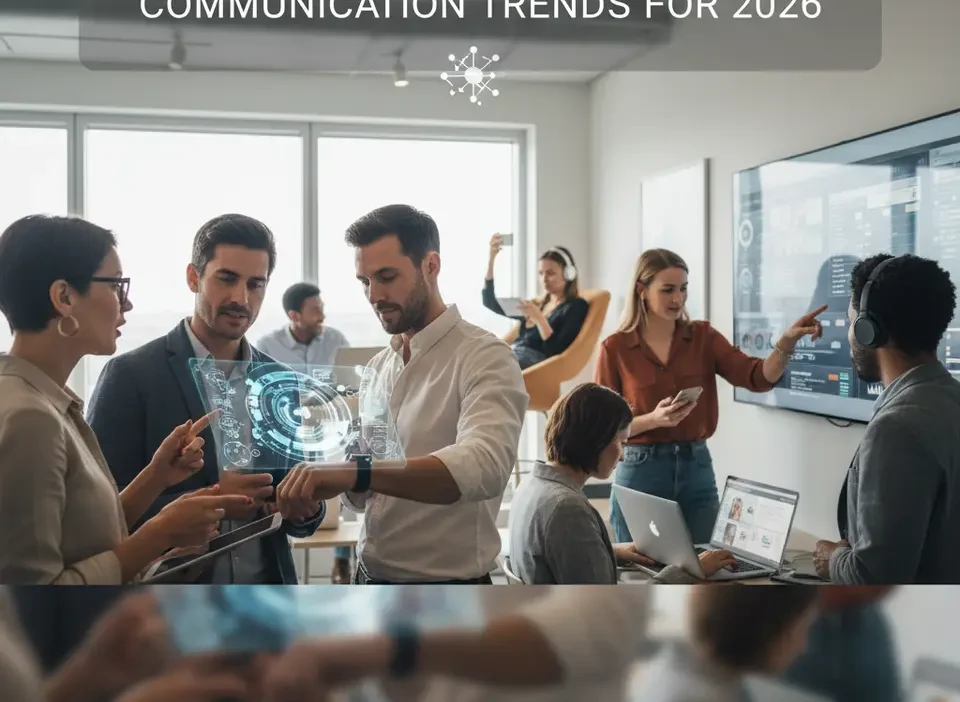
In today’s digital landscape, the drive to engage audiences with impact is stronger than ever. As competition intensifies and consumer expectations shift, organizations must rethink how they convey messages and build relationships. This year (2026), innovative marketing communication trends are rewriting the playbook, from harnessing artificial intelligence to crafting immersive experiences that captivate. By embracing a holistic approach—one that weaves together data-driven insights, seamless cross-channel integration, and dynamic content—brands can create deeper connections and foster loyalty in an increasingly fragmented environment.
Throughout this comprehensive guide, we explore the top marketing communication trends that you need to know today. We begin by examining how AI-powered personalization delivers tailored messages at scale. Then we dive into interactive and immersive formats that transform passive viewers into active participants. Next, we highlight the importance of orchestrating omnichannel strategies to ensure consistency across every touchpoint. We also delve into the explosive growth of video, live streaming, and short-form content. Finally, we discuss the rising role of voice and conversational interfaces in guiding customer journeys seamlessly. Along the way, we reference authoritative sources such as the U.S. National Institute of Standards and Technology (nist.gov) and Pew Research Center (pewresearch.org) to ground our insights in rigorous research. By the end, you’ll be equipped to integrate these trends into your strategy, ensuring your brand not only meets but exceeds evolving expectations in 2026.
AI-Powered Personalization Elevates Engagement
Artificial intelligence is reshaping the way brands tailor communications, making one-size-fits-all messages a relic of the past. In 2026, AI-driven personalization engines analyze user behaviors and preferences in real time, allowing marketers to craft unique experiences across every touchpoint. By leveraging machine learning algorithms, these systems predict individual interests, enabling dynamic website content that adapts instantly when a visitor arrives.
For instance, e-commerce sites can display recommended products based on browsing history and purchase patterns, while email campaigns use AI to optimize subject lines and content for each subscriber. These tactics boost open rates and click-through metrics, driving higher conversions. Today, many organizations employ natural language generation (NLG) to automate the creation of personalized ad copy or social posts, ensuring relevance without manual effort.
Predictive analytics is another cornerstone of modern marketing communication trends. By forecasting customer intent—whether to churn, upgrade, or purchase—businesses can intervene at critical moments with targeted offers. Sentiment analysis tools further enrich these insights by gauging emotions in social media mentions and reviews. When combined, predictive and sentiment analytics empower marketers to fine-tune messaging strategies and allocate budgets where they’ll yield the greatest return.
As data privacy regulations become more stringent, balancing innovation with ethics is paramount. Brands must adopt transparent policies, anonymize user data, and secure explicit consent. By doing so, they maintain trust while still offering hyper-relevant experiences that resonate on a personal level. In today’s environment, this balance not only meets regulatory requirements but also strengthens brand credibility.
Interactive and Immersive Experiences Drive Deeper Connections
Static content no longer holds audiences’ attention the way it once did. To stay ahead of marketing communication trends, brands are increasingly turning to interactive and immersive formats that involve users directly. Interactive quizzes, polls, and calculators invite participation, boosting dwell time and yielding valuable first-party data. These elements can be deployed on websites, within emails, or through social media stories to spark genuine engagement.
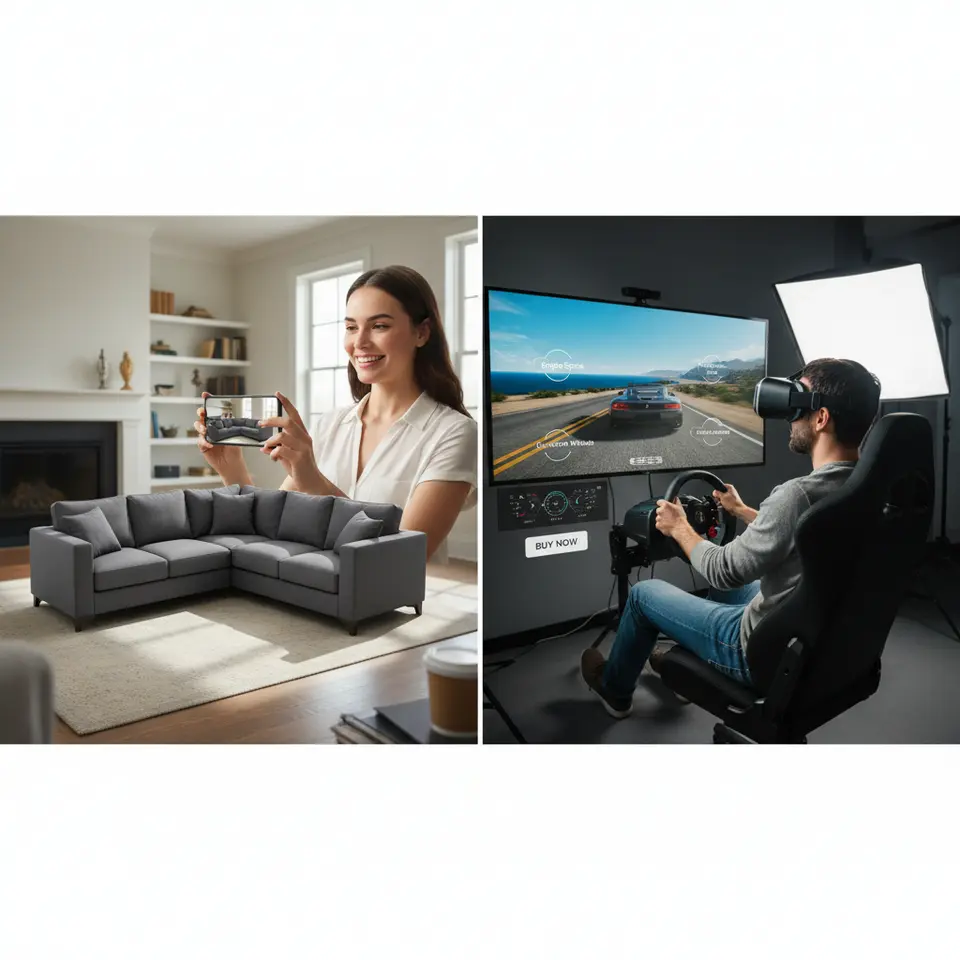
Meanwhile, augmented reality (AR) and virtual reality (VR) applications are bridging online and offline experiences. Retailers, for example, enable customers to preview furniture in their living rooms via AR overlays on mobile devices, eliminating guesswork. Automotive brands showcase virtual test drives in VR, providing immersive demonstrations that build purchase confidence. In 2026, WebAR solutions will proliferate, allowing users to try on products or explore environments directly within a browser interface without downloading a dedicated app.
Video-based interactivity is also a powerful lever. Shoppable videos let viewers click on featured items to add them to a cart, blending entertainment with e-commerce. Branching narratives in interactive storytelling allow users to influence the plot, creating personalized journeys that resonate on an emotional level. Each choice offers insights into preferences, enabling more precise remarketing.
These immersive tactics not only captivate but also deliver quantifiable results. Heatmaps, session recordings, and interaction metrics reveal how audiences engage with content, informing iterative improvements. By embedding interactive elements across campaigns, brands can transform passive consumption into active participation, forging stronger bonds in the process.
Omnichannel Integration for Seamless Customer Journeys
Consumers today navigate a complex marketplace of touchpoints—from social networks and search engines to email, mobile apps, physical stores, and voice assistants. Delivering a cohesive experience across these channels is a defining marketing communication trend in 2026. An effective omnichannel strategy ensures that messaging, offers, and brand identity remain consistent, no matter where or how customers engage.
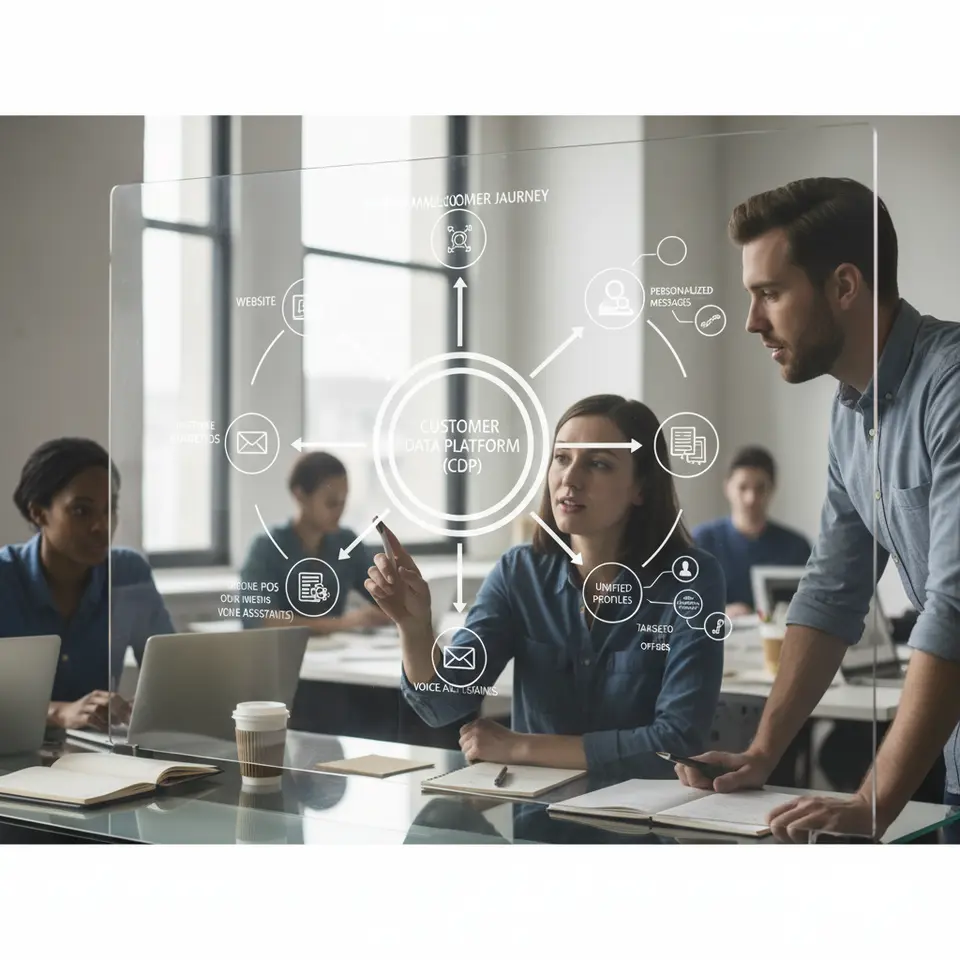
Central to this approach is the implementation of a Customer Data Platform (CDP). By unifying data streams—online behavior, in-store purchases, CRM records—a CDP creates a single customer view. This consolidated profile empowers marketers to deliver contextually relevant messages at precisely the right moment. For example, a shopper who abandons a cart on the website might receive a push notification on their mobile app offering a limited-time discount, seamlessly continuing the conversation.
Automation tools play a critical role in orchestrating these interactions. Through journey orchestration, brands can set triggers and conditional logic that guide customers along tailored paths. A welcome email series, triggered by newsletter sign-up, can be followed by product tutorials, social proof testimonials, and exclusive invitations—all timed and targeted based on user behavior.
Breaking down internal silos between marketing, sales, and customer service teams is equally important. When departments share insights and collaborate on cross-functional campaigns, the result is a unified narrative that elevates brand trust. In today’s landscape, the most successful organizations are those that treat each channel as part of a broader ecosystem rather than isolated silos.
Video, Live Streaming, and Short-Form Content Take Center Stage
Video has cemented its position as a powerhouse in content marketing, and this year continues to highlight its dominance. Short-form formats—like those on TikTok, Instagram Reels, and YouTube Shorts—deliver concise, captivating messages that align with ever-shrinking attention spans. Brands are repurposing longer tutorials into bite-sized clips, showcasing quick tips, product highlights, or behind-the-scenes glimpses to spark immediate interest.
At the same time, live streaming is forging direct, authentic connections. Platforms are embedding commerce capabilities that enable viewers to purchase products without leaving the broadcast. This fusion of entertainment and shopping—often referred to as live shopping—creates urgency through real-time interaction. Hosts can answer questions instantly, offer flash deals, and demonstrate product features, all while viewers click to buy on the spot.
Content creators and influencers are integral to this trend. Their established trust and rapport with audiences lend credibility to live events. Partnering with micro- and macro-influencers extends reach and introduces brands to niche communities. Metrics such as peak concurrent viewers, engagement rate, and conversion per minute provide clear indicators of performance.
Furthermore, 360-degree videos and interactive overlays are enhancing immersive storytelling. Whether showcasing a destination marketing campaign or a product launch, these formats enable viewers to explore scenes at their own pace. As network speeds and device capabilities continue to improve, richer video experiences will only become more accessible.
Voice and Conversational Engagement for Instant Interaction
The rise of smart speakers and voice assistants is redefining how users search, shop, and interact. Currently, a substantial share of online queries occurs via voice, making it essential to optimize for voice SEO. This involves structuring content around natural language and question-based phrases—so when someone asks, ‘What is the best way to personalize marketing in 2026?’, digital assistants can retrieve concise, accurate responses.
Conversational marketing extends beyond voice search into chat interfaces and messaging apps. AI-powered chatbots can manage routine tasks—like scheduling appointments, answering FAQs, and guiding product discovery—24/7. When bots detect a complex issue or a prime upsell opportunity, they escalate the conversation to human agents, ensuring the best of both automation and personal touch.
Leading institutions such as the Federal Communications Commission (fcc.gov) provide guidelines on privacy and compliance, helping brands navigate this evolving frontier responsibly. Ensuring accessibility, multilingual support, and clear data-handling practices builds trust and fosters long-term engagement.
Ultimately, conversational experiences mirror human interactions, offering immediate value and reducing friction. When integrated into broader marketing communication trends, voice and chat interfaces become powerful tools for guiding customers smoothly from discovery to conversion.
FAQ
What is AI-powered personalization and why is it important?
AI-powered personalization uses machine learning algorithms to analyze user data in real time, delivering tailored messages and experiences at scale. It’s important because it increases relevance, boosts engagement metrics like open rates and click-throughs, and drives higher conversions.
How can brands measure the success of interactive and immersive campaigns?
Brands can track heatmaps, session recordings, and interaction metrics (e.g., quiz completions, click-through rates on shoppable videos) to assess engagement levels. These quantitative insights inform iterative improvements and demonstrate ROI.
Why is omnichannel integration critical in 2026?
Omnichannel integration ensures a cohesive brand narrative across all customer touchpoints—online and offline. By unifying data through a CDP and leveraging journey orchestration, brands deliver contextually relevant messages that enhance customer satisfaction and loyalty.
Conclusion
In 2026, marketing communication trends center on personalization, interactivity, consistency, visual storytelling, and conversational interfaces. By integrating AI-driven personalization engines, brands can tailor experiences with unparalleled precision. Immersive formats like AR, VR, and interactive videos invite deeper engagement, while omnichannel integration ensures a unified narrative across every platform. Short-form and live-stream content continue to capture attention rapidly, and voice-driven interactions offer frictionless discovery.
To excel in today’s competitive landscape, marketers must adopt a data-informed, customer-centric mindset. Prioritize transparent data practices, invest in cutting-edge technologies, and collaborate across departments to deliver seamless experiences. By embracing these emerging trends and grounding strategies in authoritative research, your organization can forge stronger connections, drive meaningful results, and set new benchmarks for excellence in marketing communication this year (2026). Align your efforts with these insights today and position your brand at the forefront of innovation.