
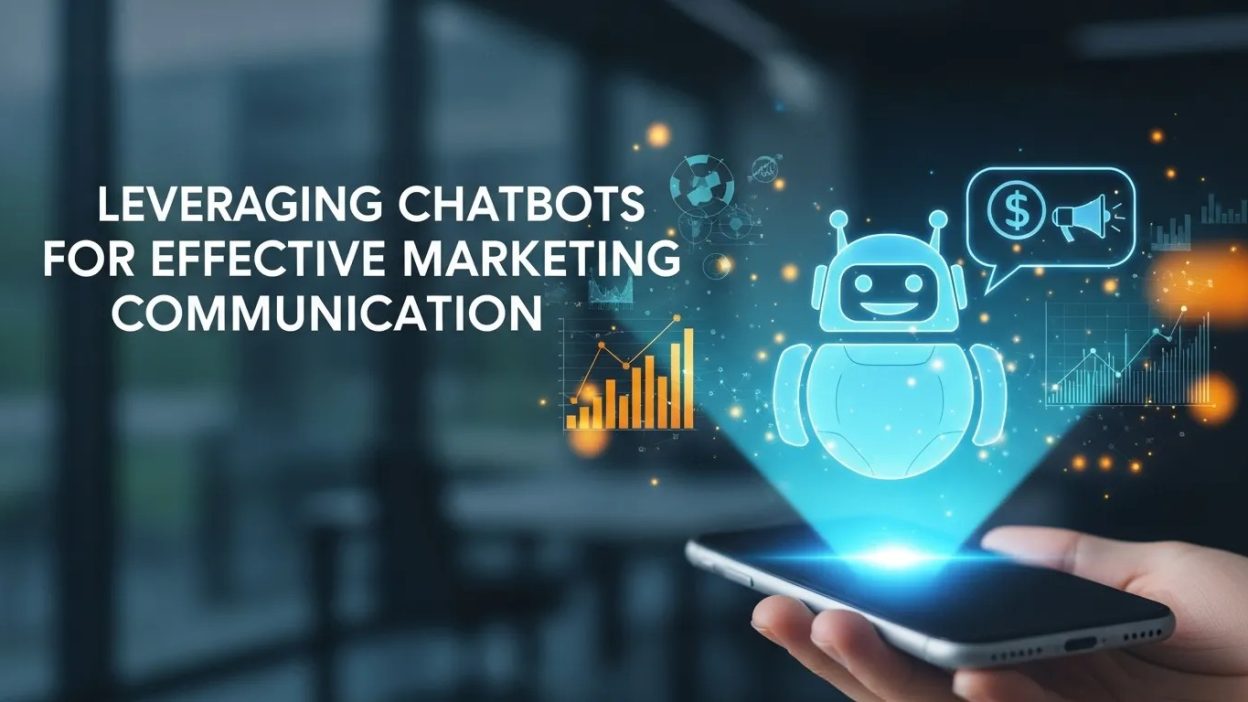
In today’s digital landscape, businesses strive to deliver seamless, personalized experiences that resonate with customers instantly. One of the most transformative tools enabling this dynamic interaction is the chatbot. These AI-driven or rule-based conversational agents empower brands to engage website visitors, social media followers, and messaging app users around the clock. Marketing communication By integrating chatbot in marketing communication strategies, organizations can foster deeper relationships, streamline processes, and collect valuable insights all while maintaining a human-like conversational tone.
As customer expectations evolve, deploying chatbot in marketing communication has become not just an option but a necessity for companies aiming to stand out in a crowded marketplace. This year (2026), rapid advancements in natural language processing (NLP) and machine learning have made chatbot more intuitive and context-aware than ever. Whether you’re a small business owner exploring your first chatbot deployment or a seasoned marketer looking to optimize complex campaigns, understanding how chatbot in marketing communication tools function and deliver impact is paramount.
In this comprehensive guide, we’ll explore the fundamentals of chatbot, dive into their key benefits, examine the various types available, and outline practical steps for implementation. We’ll also cover measurement strategies, integration best practices, and emerging trends. By the end, you’ll be well-equipped to harness the full potential of chatbot in marketing communication, boosting engagement, efficiency, and customer satisfaction in today’s fast-paced environment.
What Are Chatbots and How They Work
At their core, chatbot are software applications designed to simulate conversation with users through text or voice interfaces. They leverage artificial intelligence, natural language processing, and predefined rules to interpret user queries and deliver relevant responses. When you integrate chatbot in marketing communication, you essentially introduce a virtual assistant that can engage visitors, capture leads, and guide customers through complex processes without delay.
Rule-based chatbot operate on decision trees and if-then logic. They follow scripted flows that trigger specific responses when users type certain keywords or select menu options. This approach is ideal for handling frequently asked questions or simple tasks like appointment scheduling. On the other hand, AI-powered chatbot rely on machine learning algorithms and NLP engines to understand context, detect sentiment, and learn from interactions over time. These chatbot can handle more sophisticated queries, recognize variations in user phrasing, and even escalate ambiguous requests to human agents when necessary.
Hybrid chatbot combine the reliability of rule-based systems with the adaptability of AI models. By blending both methodologies, organizations can ensure consistent outcomes for standard tasks while still benefiting from dynamic responses for complex conversations. Whether your goal is to collect customer feedback, provide technical support, or recommend products, implementing chatbot in marketing communication unlocks new avenues for engagement that were previously labor-intensive and time-consuming.
Under the hood, most AI-driven chatbot utilize a combination of tokenization, intent detection, and entity recognition. Tokenization breaks user input into meaningful chunks, intent detection determines what the user wants to achieve, and entity recognition extracts relevant information such as names, dates, or product codes. Once the components are identified, the chatbot processes the request and crafts a suitable reply, drawing from a knowledge base or invoking external APIs as needed. For more technical details on NLP frameworks, refer to NIST’s NLP guidelines.
Key Benefits of Chatbots in Marketing Communication
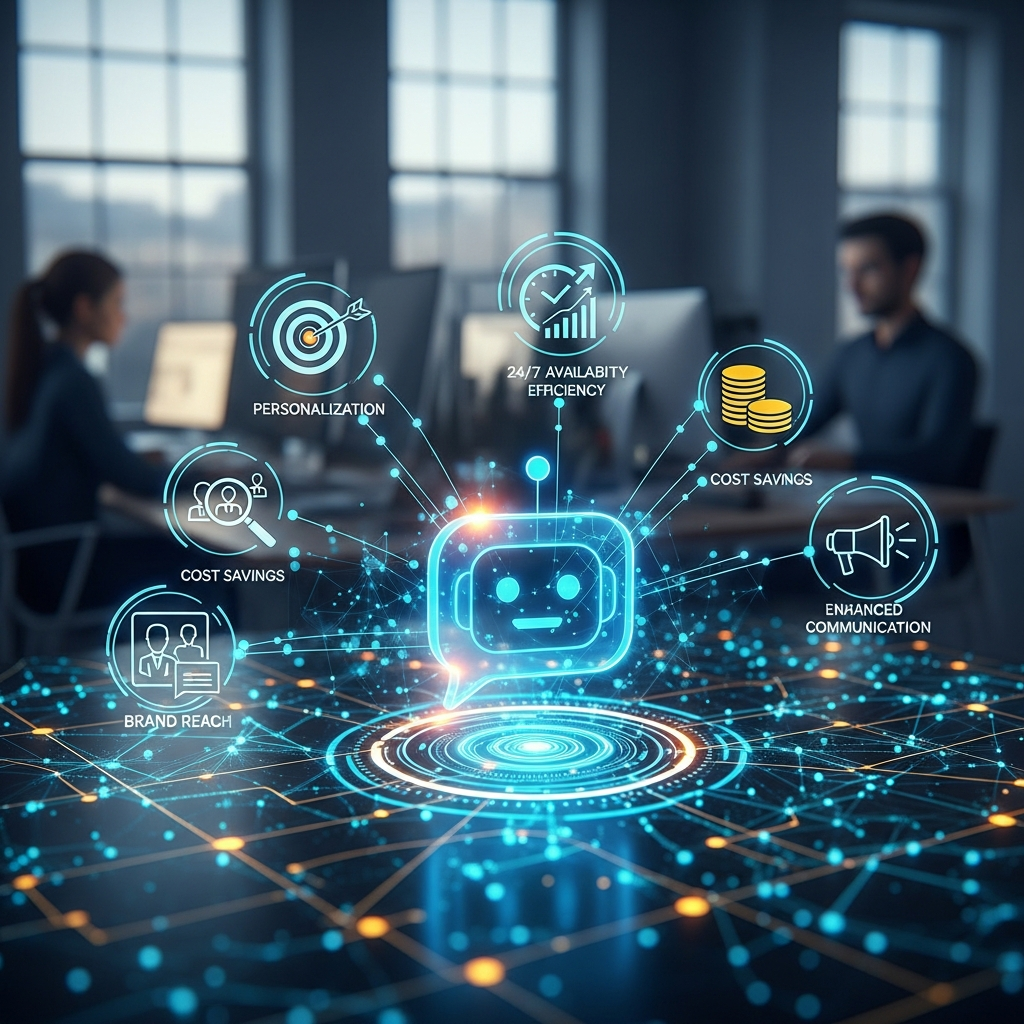
Integrating chatbots in marketing communication delivers a wealth of advantages that drive organizational growth and elevate the customer experience. Here are some of the most compelling benefits:
1. 24/7 Customer Engagement
Customers expect immediate responses around the clock, and chatbots never take breaks. By automating routine inquiries such as product availability checks, shipping details, or account assistance chatbots ensure no question goes unanswered, reducing friction in the user journey and increasing satisfaction.
2. Personalized Interactions at Scale
Modern chatbots leverage data from previous interactions, customer profiles, and browsing behavior to tailor messages dynamically. When you deploy chatbot in marketing communication, you can greet users by name, suggest relevant products, or follow up on abandoned carts, all without manual intervention.
3. Cost Efficiency and Operational Streamlining
By automating high-volume, repetitive tasks, chatbot free human agents to focus on complex, high-value issues. This operational efficiency translates into lower support costs, faster response times, and optimized resource allocation.
4. Enhanced Lead Generation and Qualification
Chatbot can initiate conversations, ask qualifying questions, and score prospects based on predefined criteria. This proactive approach ensures that sales teams receive warm leads with clear intent signals, shortening sales cycles and improving conversion rates.
5. Data Collection and Actionable Insights
Every chatbot interaction generates valuable data points, from frequently asked questions to sentiment indicators. Chatbots in marketing communication enable brands to analyze user intents, identify emerging trends, and optimize messaging for future campaigns.
Types of Chatbots for Marketing Communication
Selecting the right chatbot type depends on your objectives, technical capabilities, and budget. Below are the three primary categories:
Rule-Based Chatbots
These chatbots follow predetermined scripts and keyword triggers to navigate conversation flows. They’re straightforward to build and ideal for handling simple, predictable tasks like FAQs or appointment booking. Since their logic is transparent, there’s minimal risk of misinterpretation, but they lack flexibility when confronted with unexpected queries.
AI-Powered Chatbots
AI-driven chatbots harness machine learning models to interpret user input, infer context, and craft responses. They support more natural, free-form conversations and can handle complex tasks such as multilingual support or sentiment-based recommendations. Training these chatbots requires a robust dataset and ongoing maintenance to refine intents and entities.
Hybrid Chatbots
Combining deterministic decision trees with AI’s adaptive capabilities, hybrid chatbots deliver consistent performance for standard interactions while escalating ambiguous requests for machine learning to process. This ensures both reliability and sophistication, making them well-suited for enterprises with diverse user needs.
When evaluating chatbot builders, consider platforms like Dialog flow, Many Chat, or Drift, which offer integrations with popular CRM and marketing tools. For academic research on conversational AI, explore resources from Stanford University’s AI Lab.
Implementing Chatbots in Your Marketing Strategy
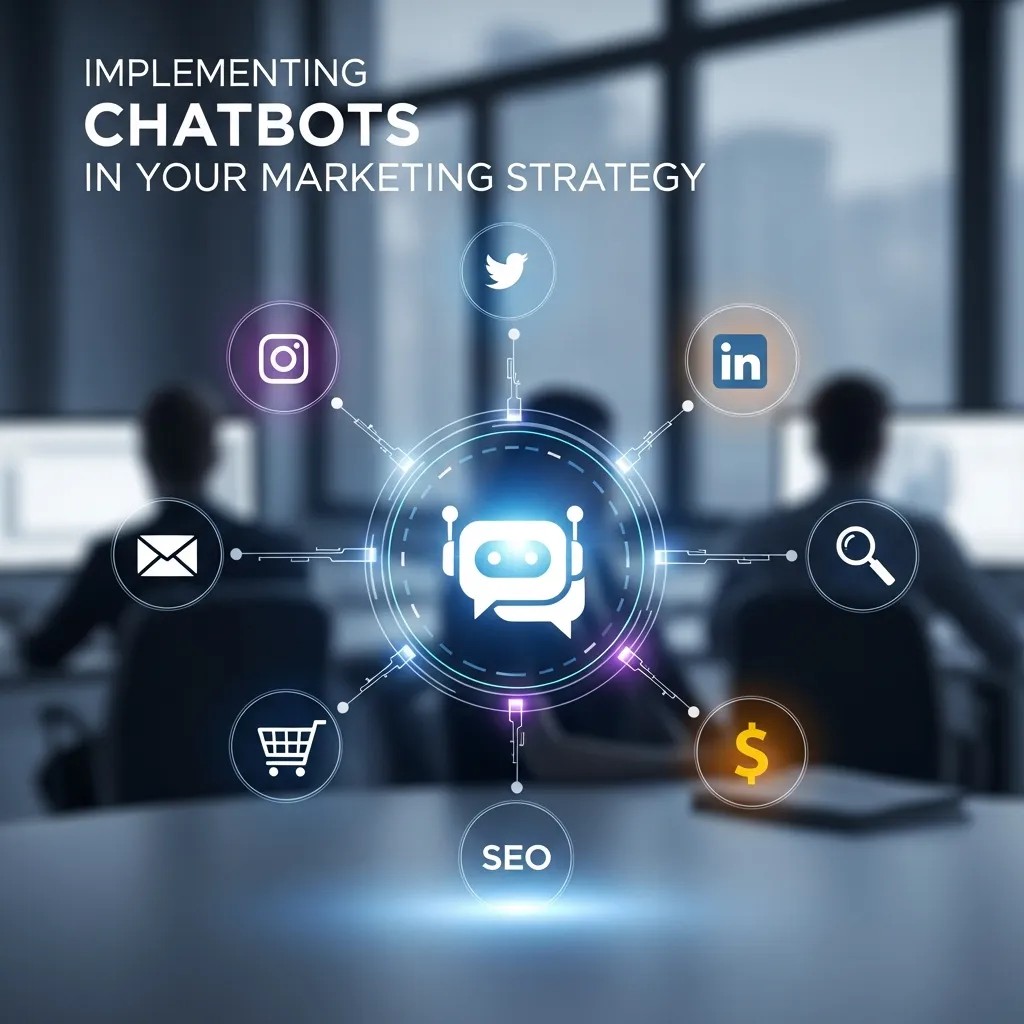
Rolling out chatbots in marketing communication requires a structured approach to maximize ROI and user satisfaction. Follow these steps:
1. Define Clear Objectives
Start by pinpointing your primary goals: Is your focus on lead generation, customer support, or brand education? Establish specific KPIs such as response rate, containment rate, or conversion uplift to measure success.
2. Map Customer Journeys
Analyze user behavior across touchpoints to identify high-impact scenarios where chatbots can add value. Create flow diagrams that outline decision trees and fallback mechanisms to handle unexpected inputs gracefully.
3. Choose the Right Platform
Select a chatbot platform compatible with your tech stack and budget. Key considerations include ease of integration with CRM systems, support for natural language processing, analytics dashboards, and multichannel deployment capabilities.
4. Develop and Train the Bot
Build conversation scripts that align with your brand voice. For AI-powered bots, curate a training dataset of real customer interactions to teach the model semantic patterns and edge cases. Implement fallback responses that politely redirect users if the bot cannot resolve an issue.
5. Test Rigorously
Conduct alpha and beta testing with internal stakeholders and select customer groups. Track conversation logs to identify bottlenecks, ambiguous phrasing, and intent mismatches. Iterate on the bot’s design until performance metrics meet or exceed your benchmarks.
6. Launch and Monitor
Deploy the chatbot on your website, social channels, or messaging apps. Use real-time analytics to monitor key metrics such as average handling time (AHT), containment rate, and user satisfaction ratings. Adjust conversation flows, update intents, and refine messaging based on feedback.
Measuring Success and Future Trends
Evaluating the performance of chatbots in marketing communication is crucial for continuous improvement. Focus on these metrics:
- Response Rate: The percentage of user queries the chatbot successfully addresses.
- Containment Rate: Proportion of interactions resolved without escalating to human agents.
- Conversion Rate: Share of users who complete desired actions, such as sign-ups or purchases, via the bot.
- Customer Satisfaction (CSAT): Ratings provided by users after a chatbot session.
- Average Handling Time (AHT): Duration of each conversation; lower times indicate greater efficiency.
Looking ahead, chatbot technology will continue to evolve in today’s AI-driven environment. Expect advancements in voice-enabled assistants, deeper emotional intelligence, and even tighter integration with augmented reality experiences. As predictive analytics and sentiment analysis mature, chatbots in marketing communication will proactively anticipate user needs, delivering hyper-personalized interactions that drive loyalty and growth.
Frequently Asked Questions (FAQ)
What’s the difference between rule-based and AI-powered chatbots?
Rule-based chatbot follow predefined scripts and keyword triggers, making them reliable for simple, predictable tasks. AI-powered chatbots use machine learning and NLP to understand context, handle free-form queries, and learn from interactions over time. The former offers transparency and ease of setup; the latter provides flexibility and advanced conversational capabilities.
How can I measure the ROI of my chatbot deployment?
Track key metrics such as containment rate (interactions resolved without human assistance), conversion rate (users completing desired actions), average handling time (AHT), and customer satisfaction (CSAT). Compare these figures against baseline support costs and lead generation performance to quantify efficiency gains and revenue impact.
Can chatbots integrate with existing CRM and marketing tools?
Yes. Most modern chatbot platforms offer native integrations or APIs for popular CRM systems, email marketing solutions, and analytics dashboards. Seamless integration enables data synchronization, personalized messaging, and unified reporting across your tech stack.
Conclusion
Chatbots in marketing communication have emerged as indispensable tools for brands seeking to deliver instant, personalized engagement at scale. By understanding their underlying technology, selecting the right type, and following a structured implementation process, organizations can harness chatbot to boost customer satisfaction, generate qualified leads, and streamline operations. Rigorous testing, ongoing optimization, and careful measurement of key metrics ensure continuous improvement and maximum ROI.
As businesses navigate the complexities of today’s fast-paced digital world, embedding chatbot in marketing communication strategies offers a competitive edge that combines efficiency with human-like interaction. Embrace these intelligent assistants, iterate thoughtfully, and watch as your brand transforms into a 24/7 conversational powerhouse that delights customers and drives sustained success.