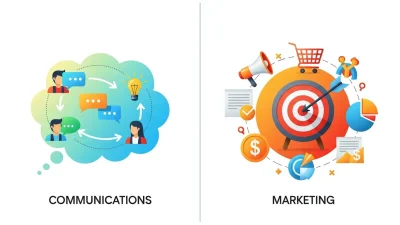


Future-proof communications blend AI insights, data-driven frameworks, and human-centric messaging. By leveraging omnichannel platforms, ethical practices, cross-functional collaboration, and continuous team development, organizations can deliver personalized, impactful messages, optimize performance, and adapt to evolving audience expectations and technologies.
In today’s rapidly evolving business landscape, communications leaders must align cutting-edge technology with authentic human connection. Future-proofing a communications strategy means embracing artificial intelligence, harnessing robust data analytics, and embedding empathy into every message.
Understanding the Evolving Communications Landscape

The communications environment has shifted from one-way broadcasts to dynamic, interactive exchanges. Audiences expect personalized, context-aware messages delivered at the right moment. To stay ahead, organizations must monitor emerging channels, prioritize on-demand content, and adapt to new consumption patterns. This section examines key trends shaping modern communications, including voice search, immersive media, and real-time conversational platforms.
Leveraging AI for Strategic Insights
Artificial intelligence transforms raw data into actionable insights, enabling teams to anticipate audience needs, segment more precisely, and optimize messaging in real time. By deploying machine learning models and natural language processing, leaders can predict content performance, automate routine tasks, and deliver hyper-relevant recommendations. Implement an AI adoption roadmap that includes technology assessment, pilot projects, and scalable integration plans to maximize return on investment.
Building a Data-Driven Communication Framework
Data is the foundation of effective communications, driving informed decisions at every stage of the content lifecycle. Establish a robust framework that systematically collects, analyzes, and applies metrics from multiple sources—ranging from website analytics and social media engagement to customer feedback and survey responses. This ensures your messaging is both relevant and measurable.
Core Components:
1. Unified Data Architecture
Centralize all data streams into a single platform to enable consistent reporting and reduce silos. A unified architecture ensures that marketing, PR, and customer service teams are working with the same insights, improving alignment and decision-making.
2. Key Performance Indicators (KPIs)
Define KPIs that directly align with business goals, such as engagement rates, content reach, sentiment scores, or conversion metrics. Clear KPIs provide measurable targets and help teams focus on outcomes that truly matter.
3. Dashboards and Visualizations
Use real-time dashboards and data visualizations to monitor performance across channels. Visual tools make insights accessible to all teams, facilitate cross-functional collaboration, and allow for quick identification of trends or issues.
4. Feedback Loops
Incorporate continuous feedback from surveys, sentiment analysis, and audience responses to refine content strategy. Feedback loops ensure messaging evolves based on audience preferences, improving relevance, engagement, and overall effectiveness.
By combining these components, organizations can create a data-driven communication ecosystem that informs strategy, enhances personalization, and maximizes impact across all channels.
Designing Human-Centric Messaging

Technology should support and enhance human empathy, not replace it, in all communications. To create messages that truly resonate, focus on understanding your audience’s motivations, pain points, and aspirations. This requires developing detailed personas through qualitative research, interviews, and observation, ensuring that messaging reflects real audience needs and perspectives.
Incorporate storytelling techniques that emphasize authentic experiences and relatable narratives. Sharing real-life examples, customer journeys, or case studies builds trust and emotional connection, making content more memorable and impactful.
Additionally, prioritize accessibility and inclusivity in all messaging. Ensure language is clear, visuals are considerate of diverse abilities, and content is culturally sensitive. Messages should be understandable and engaging across different demographics, devices, and platforms, enabling all audiences to connect with your brand.
By combining technology with empathy, organizations can deliver meaningful, human-centric communications that strengthen relationships, inspire action, and foster loyalty.
Integrating Omnichannel and Emerging Platforms
Consistent messaging across channels is critical to reinforce brand identity and simplify the customer journey. Adopt an omnichannel approach that coordinates content across email, social media, mobile apps, and emerging platforms such as voice assistants and augmented reality. Implement a content calendar with cross-functional input, automated distribution workflows, and unified style guidelines to maintain coherence and agility.
Ensuring Ethical and Inclusive Communications
Ethical considerations and diversity should be central to every communications strategy, ensuring that messages are trustworthy, responsible, and culturally sensitive. Organizations must establish governance policies for AI-driven content, including procedures to prevent algorithmic bias, misinformation, and unintended harm, while regularly auditing AI outputs for accuracy and fairness.
Incorporate diverse perspectives in content creation teams by including voices from different backgrounds, experiences, and expertise. This approach helps ensure that messaging resonates across demographics and avoids cultural insensitivity or exclusion. Test communications for cultural awareness, accessibility, and relevance before publishing to maintain integrity and inclusivity.
Maintain transparency around data collection, usage, and AI applications to strengthen audience trust. Clearly communicate how customer information is used and how automated systems support messaging, ensuring compliance with evolving legal and regulatory standards.
By embedding ethics and inclusivity into all communications practices, organizations can build credibility, foster audience loyalty, and promote a responsible brand image while navigating the complexities of modern, technology-driven communication landscapes.
Cultivating Cross-Functional Collaboration
An effective communications strategy thrives when marketing, sales, product, and customer support teams collaborate seamlessly. By breaking down traditional silos, organizations can ensure that messaging is consistent, aligned with business objectives, and responsive to customer needs across all touchpoints.
Create integrated working groups that meet regularly to share insights, discuss priorities, and co-create content that resonates with target audiences. Leveraging collaborative platforms—such as project management tools, shared dashboards, and team communication apps—streamlines workflows, enables real-time updates, and ensures transparency across departments.
Conduct strategy workshops and cross-functional training sessions to foster understanding of each team’s objectives, challenges, and capabilities. This approach promotes alignment, encourages idea-sharing, and builds mutual accountability.
Such cohesion accelerates decision-making, improves campaign efficiency, and ensures that all communications reflect a unified brand voice. Moreover, it fosters a culture of shared ownership and innovation, empowering teams to collaboratively experiment with new approaches, optimize processes, and deliver greater overall impact.
Empowering Your Team with Training and Tools
Continuous learning is essential for keeping pace with rapidly evolving technologies, platforms, and methodologies in communications. Organizations should invest in comprehensive training programs that cover AI literacy, data analysis, content optimization, design thinking, and emerging communication tools. These programs ensure that team members can leverage technology effectively while maintaining strategic and creative excellence.
Providing access to modern collaboration and automation tools enables seamless workflow management, cross-functional teamwork, and efficiency in content creation, distribution, and measurement. Encourage teams to explore these tools actively and integrate them into daily operations to improve performance and scalability.
Promote a culture of experimentation and innovation through pilot projects, funding for prototype initiatives, and structured knowledge-sharing sessions. By testing new approaches in a low-risk environment, teams can identify best practices and scale successful methods across the organization.
A skilled, well-equipped team is the engine of a future-ready communications function. By continuously developing expertise, embracing modern tools, and fostering innovation, organizations can ensure their communications strategies remain agile, impactful, and resilient in an ever-changing landscape.
Measuring Impact and Continuous Optimization

Measurement is the backbone of any strategic initiative. Implement a rigorous testing and optimization framework that includes A/B testing, multivariate experiments, and audience segmentation analysis. Track both leading indicators (open rates, engagement metrics) and lagging indicators (conversion rates, revenue impact). Regularly review results, refine hypotheses, and iterate on content, channels, and tactics to drive continuous improvement. Learn more about How to Build an Agile Communications Strategy for Rapidly Changing Markets.
Preparing for the Next Frontier
The pace of change in communications shows no signs of slowing, and organizations must proactively anticipate and adapt to emerging trends. Generative AI, immersive experiences, advanced predictive analytics, and other cutting-edge technologies are set to redefine how messages are created, delivered, and consumed across multiple channels.
To stay ahead, build a culture of curiosity and resilience within your teams. Encourage employees to actively scan the horizon for new tools, platforms, and techniques that can enhance audience engagement, streamline processes, or provide novel insights. Promote experimentation, knowledge sharing, and cross-functional collaboration to ensure innovations are integrated effectively.
Establishing an innovation fund allows teams to prototype ideas, test new technologies, and develop pilot projects without jeopardizing ongoing operations. This approach not only fosters creativity but also positions your communications strategy for flexible adaptation, enabling rapid responses to unexpected shifts in audience behavior, market conditions, or technological capabilities.
By preparing for the next frontier, organizations can maintain a competitive edge, deliver forward-thinking communications, and ensure their strategies remain agile, relevant, and impactful in an ever-evolving landscape.
Conclusion
Future-proofing your communications strategy is essential for organizations aiming to remain competitive in today’s rapidly evolving landscape. It requires a balanced fusion of AI-powered intelligence, data-driven frameworks, and human-centric design, ensuring that technology enhances the human touch and enables timely, relevant messaging across multiple channels.
By fostering cross-functional collaboration, teams can align goals, share insights, and co-create consistent, cohesive messaging that strengthens brand identity. Integrating ethical practices throughout the strategy guarantees transparency, inclusivity, and cultural sensitivity, building trust and credibility with diverse audiences.
Cultivating a culture of continual learning ensures your team stays agile, adapting to emerging technologies, evolving audience behaviors, and new communication platforms. Continuous training, experimentation, and knowledge sharing empower employees to innovate confidently while maintaining quality and impact.
By combining these elements, organizations can deliver personalized, meaningful communications that resonate today and sustain relevance tomorrow, build resilience against market disruptions, drive growth, and secure a long-term competitive advantage. Future-proof communications are not just about technology—they are about integrating intelligence, empathy, and strategy to create lasting connections with your audience.
Frequently Asked Questions (FAQs)
1. What does “future-proofing communications” mean?
Future-proofing communications refers to creating strategies and processes that remain effective as technology and audience behaviors evolve. This involves integrating AI, data analytics, automation, and human creativity to ensure messaging is adaptable, scalable, and capable of engaging audiences across emerging platforms, channels, and devices over time.
2. How does AI enhance communications?
AI enhances communications by analyzing large volumes of data to identify trends, predict content performance, and automate repetitive tasks. It enables real-time personalization, delivering the right message to the right audience at the right time. AI also helps optimize campaigns, improve targeting accuracy, and create insights for more effective human-driven decision-making.
3. Why is human-centric messaging important?
Even with advanced AI and automation, human-centric messaging ensures communications feel authentic, empathetic, and emotionally resonant. Audiences respond better to content that considers their feelings, values, and experiences. Human-centric strategies build trust, loyalty, and stronger relationships, helping brands avoid appearing robotic or disconnected while fostering meaningful long-term engagement.
4. How can omnichannel platforms improve communications strategy?
Omnichannel platforms unify messaging across multiple channels—email, social media, mobile apps, chatbots, and emerging technologies—to create consistent experiences. By coordinating campaigns, brands can deliver seamless interactions, reduce friction, and reinforce messaging at every touchpoint. This approach increases engagement, improves customer satisfaction, and strengthens overall brand identity.
5. What role do ethics and inclusivity play in communications?
Ethics and inclusivity ensure that content is culturally sensitive, unbiased, and responsible. Governance policies help prevent AI-driven errors or biases, while diverse perspectives guarantee messaging resonates across different audiences. Transparency and ethical practices enhance trust, strengthen brand reputation, and align communications with societal expectations, creating a more positive and sustainable impact.
6. Why is cross-functional collaboration essential?
Cross-functional collaboration aligns marketing, sales, product, and support teams to deliver cohesive messaging. It improves decision-making speed, reduces silos, and fosters innovative solutions by leveraging diverse expertise. Collaboration ensures that campaigns are consistent across channels, responsive to customer needs, and capable of adapting quickly to market shifts or emerging trends.
7. How should communication impact be measured?
Measuring communication impact involves tracking engagement metrics, conversion rates, revenue influence, and audience behavior across channels. A/B testing, multivariate experiments, and analytics dashboards help determine which strategies work best. Continuous monitoring allows brands to optimize messaging, identify areas for improvement, and validate ROI while adjusting campaigns to achieve better results over time.
8. How can teams prepare for emerging communication trends?
Teams can prepare for emerging trends by investing in AI literacy, data analytics skills, content optimization, and experimentation. Encouraging a culture of curiosity, adaptability, and resilience allows teams to test new technologies, adopt innovative channels, and respond proactively to evolving audience behaviors, ensuring messaging remains relevant, engaging, and competitive in a dynamic market.