
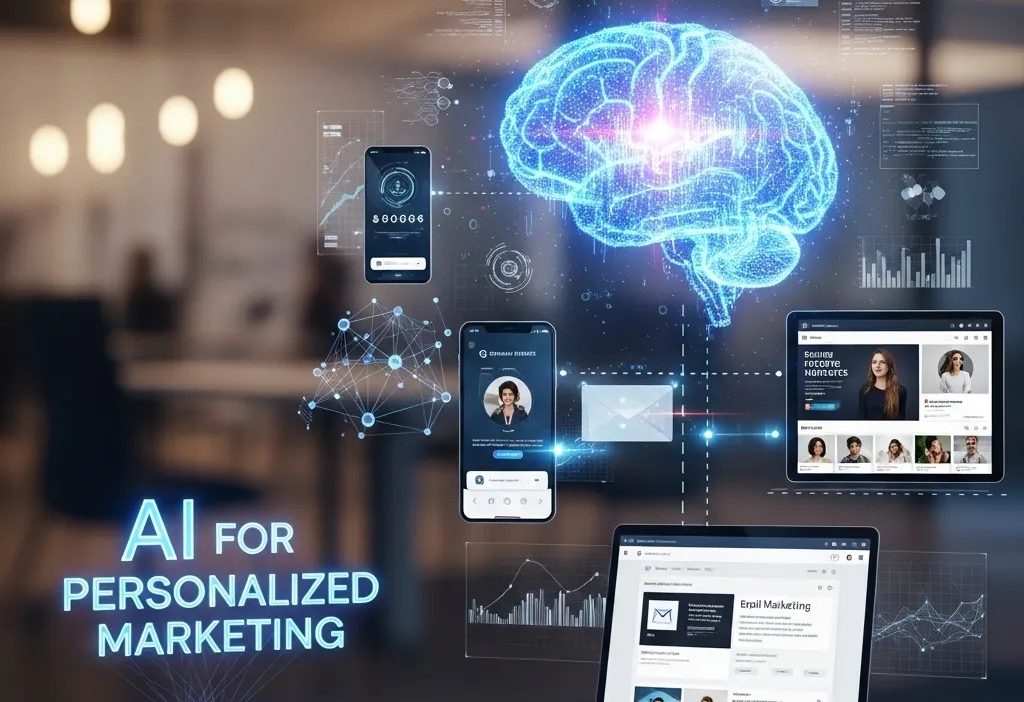
In today’s digital landscape, brands face an uphill battle to connect with audiences inundated by generic marketing messages. Consumers now expect relevant, timely content that speaks directly to their preferences and needs. As a result, AI-powered personalized marketing communication has emerged as a game-changer, enabling marketers to deliver bespoke experiences at scale. By harnessing advanced machine learning models and real-time data processing, organizations can craft messages that resonate on an individual level, driving engagement, loyalty, and measurable ROI.
Currently, AI-driven personalization is not a futuristic concept but a present-day necessity. With sophisticated algorithms analyzing customer behaviors across web interactions, social media, and purchase history, marketers can anticipate needs and serve hyper-targeted offers. Yet, the true power of AI lies not just in data crunching, but in the seamless integration of technology and strategic oversight. This article delves into the evolution, benefits, core technologies, strategic implementation, and best practices for AI-powered personalized marketing communication, providing actionable insights to elevate your outreach efforts.
The Evolution of AI in Marketing Communication
The journey of AI-powered personalized marketing communication began with simple automation, such as rule-based email triggers and static audience lists. Today, these capabilities have matured into dynamic platforms that process vast data streams from CRM systems, social networks, and website analytics. Early tools focused on repetitive tasks, but modern solutions leverage deep learning models to identify subtle patterns in customer journeys, enabling marketers to respond with tailored content at each touchpoint.
Machine learning algorithms now power predictive segmentation, automatically grouping customers by likelihood to convert or churn. Natural language understanding allows chatbots and virtual assistants to handle nuanced queries, while recommendation engines curate product suggestions based on collaborative filtering and contextual signals. This transformation has been accelerated by research from institutions like MIT and standards guidance from organizations such as the National Institute of Standards and Technology, which help define robust AI performance metrics.
As AI models continue learning from real-time interactions, they refine targeting strategies on the fly. This continuous feedback loop ensures that campaigns evolve alongside changing consumer behaviors. In today’s environment, where attention spans are shorter than ever, the ability to deliver pinpoint personalization can set a brand apart and foster long-term customer relationships.
Key Benefits of AI-Powered Personalized Marketing Communication
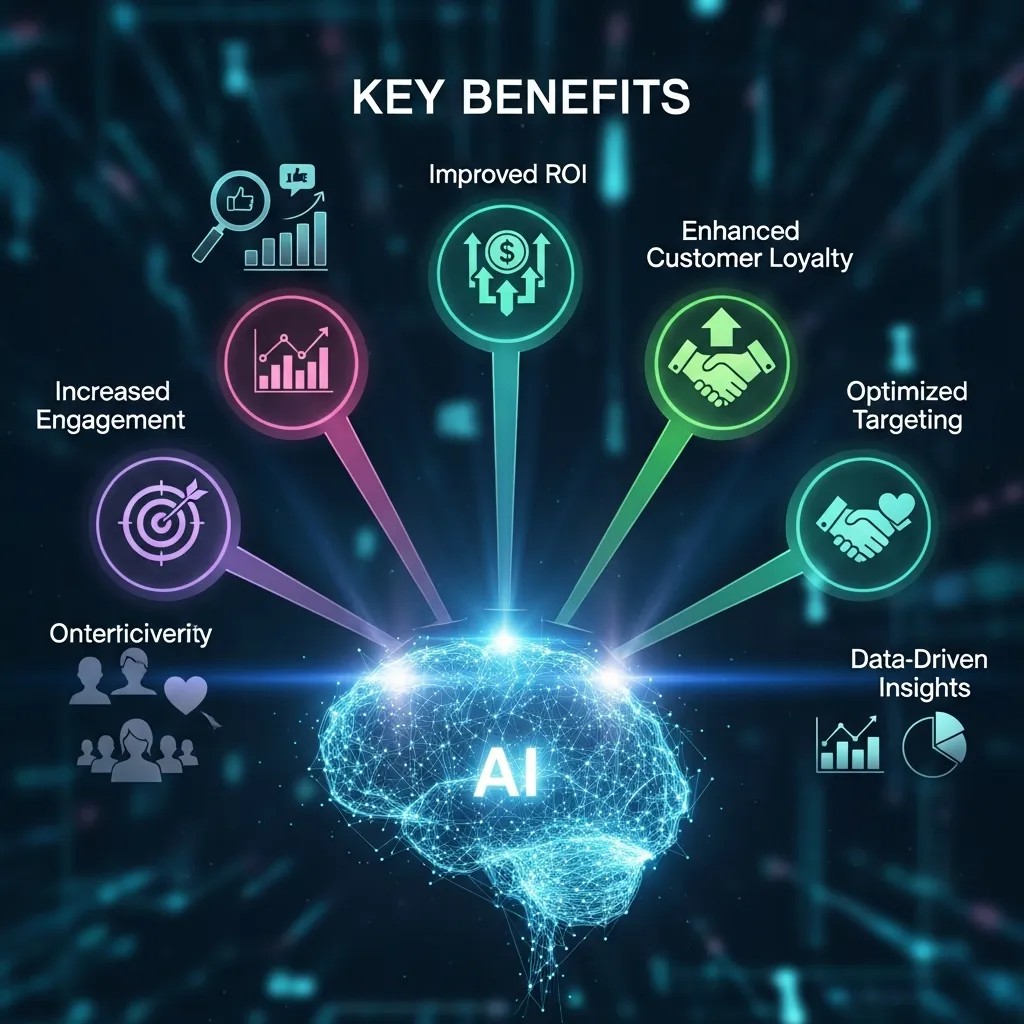
One of the most significant advantages of AI-powered personalized marketing communication is enhanced engagement. When messages align closely with individual interests and past behaviors, recipients are more likely to open emails, click through advertisements, and spend time on a brand’s website. Studies have shown that personalized campaigns can outperform generic ones by double-digit percentage points in click-through and conversion rates.
Efficiency gains represent another compelling benefit. AI automates labor-intensive tasks like data cleansing, audience segmentation, and multivariate testing, freeing marketing teams to focus on creative strategy and high-level analysis. For instance, predictive analytics can signal which customer segments are most receptive to upsell opportunities, allowing teams to allocate resources strategically and optimize campaign timings.
Moreover, data-driven decision making becomes seamless with AI insights. Real-time dashboards powered by machine learning algorithms surface emerging trends such as shifts in consumer sentiment or novel purchase drivers—so marketers can adjust tactics proactively. This foresight not only enhances campaign performance but also mitigates risks by flagging potential customer churn or market saturation before issues escalate.
Core AI Technologies Powering Personalization
Machine Learning for Predictive Insights
Machine learning algorithms form the bedrock of AI-powered personalized marketing communication. By training models on historical and live data, organizations can forecast customer behaviors—ranging from purchase likelihood to churn probability. These predictive insights enable marketers to tailor messaging frequency, content type, and channel selection to each user’s predicted needs.
Natural Language Processing for Dynamic Interactions
Natural language processing (NLP) equips brands with the ability to comprehend and generate human-like text. Chatbots for marketing communication powered by NLP handle routine inquiries, guide users through product catalogs, and collect feedback all while maintaining brand voice. Sentiment analysis tools further gauge audience reactions on social platforms and review sites, helping teams refine messaging to align with customer mood.
Recommendation Engines for Contextual Offers
Recommendation systems leverage collaborative filtering and content-based methods to suggest products, articles, or promotions tailored to each visitor. These engines boost average order values and cross-sell rates by presenting the most relevant options. AI-powered platforms now offer plug-and-play recommendation modules, democratizing access to this once niche capability.
Predictive Analytics for Strategic Forecasting
Predictive analytics combines statistical modeling with machine learning to produce actionable forecasts. From anticipating inventory needs to identifying high-value customer segments, predictive models inform marketing budgets, creative planning, and campaign schedules. This forward-looking approach ensures messages arrive at optimal moments in the customer journey, maximizing impact.
Strategic Implementation of AI in Marketing Workflows
Defining Clear Objectives
Before deploying AI solutions, it’s crucial to establish well-defined goals. Whether the aim is to increase average purchase value, improve customer retention, or expand market share, specific objectives guide technology choice and campaign design. Align AI initiatives with overarching business metrics to secure executive buy-in and track progress against tangible KPIs.
Building a Robust Data Foundation
AI-powered personalized marketing communication hinges on high-quality data. Begin by unifying customer records from CRM, website analytics, social media, and point-of-sale platforms into a centralized data lake. Employ data governance protocols and regular cleansing routines to maintain accuracy. A solid data infrastructure ensures that AI models receive comprehensive profiles for precise segmentation and prediction.
Creating Dynamic Audience Segments
Leverage AI to form live customer cohorts that update based on behavioral triggers such as recent site visits, purchase patterns, or content consumption. Use these segments to deliver customized email campaigns, social media ads, and on-site experiences. Dynamic segmentation ensures messages remain relevant as individuals progress through different stages of the buyer’s journey.
Orchestrating Omnichannel Personalization
Integrate AI-driven personalization across touchpoints. Serve tailored product suggestions on e-commerce pages, generate individualized email subject lines, and adjust social media creatives to match user interests. Consistent messaging across channels not only reinforces brand identity but also deepens the customer relationship by meeting users where they engage most.
Navigating Best Practices and Common Pitfalls
Transparency and privacy are paramount when employing AI-powered personalized marketing communication. Clearly disclose data collection methods and usage policies, and comply with regulations like GDPR and CCPA. Provide customers control over their data preferences, fostering trust and minimizing opt-out rates.
Avoid over personalization, which can feel intrusive. While tailored recommendations enhance relevance, inundating users with hyper-specific content on every channel may deter prospects. Strike a balance by testing personalization intensity and monitoring engagement metrics to find the optimal level.
Continuously measure the effectiveness of AI interventions. Regularly analyze open rates, click-through rates, conversion metrics, and ROI to assess performance. Implement A/B tests comparing AI-driven variations against traditional approaches, and iterate on findings. This cycle of evaluation and refinement ensures AI models evolve in alignment with shifting customer behaviors and market trends.
Frequently Asked Questions (FAQ)
What is AI-powered personalized marketing communication?
AI-powered personalized marketing communication uses machine learning, natural language processing, and data analytics to tailor marketing messages and offers to individual customer preferences and behaviors in real time.
How can small businesses leverage AI for personalization?
Small businesses can start with AI-enabled email marketing and recommendation tools that integrate with their existing CRM and e-commerce platforms. Many solutions offer scalable pricing models and require minimal technical expertise to implement.
Is customer data privacy affected by AI personalization?
AI personalization relies on data collection, so it’s essential to follow best practices for privacy and compliance. Implement clear opt-in processes, anonymize sensitive data, and adhere to regulations like GDPR and CCPA to maintain customer trust.
What metrics should be tracked for AI-driven campaigns?
Key metrics include click-through rates, conversion rates, average order value, customer lifetime value, and churn rates. Additionally, monitor model-specific performance indicators such as prediction accuracy and segment growth.
Conclusion
AI-powered personalized marketing communication has become an indispensable strategy for brands aiming to stand out in today’s crowded digital landscape. By integrating machine learning, NLP, recommendation engines, and predictive analytics, organizations can tailor messages that resonate on an individual level, driving deeper engagement and sustainable growth. Successful implementation requires clear objectives, a robust data infrastructure, and an ongoing commitment to ethical practices and performance monitoring.
As AI technologies continue to mature this year (2026), they will unlock even more sophisticated personalization capabilities empowering marketers to anticipate needs, deliver immersive experiences, and foster long-lasting customer relationships. By embracing AI strategically, brands can transform their communication efforts and achieve a competitive edge in an ever-evolving marketplace.