


A market adjustment raise ensures employee pay aligns with industry standards, promoting fairness, competitiveness, and satisfaction. Unlike merit-based raises, it is based on market data and internal equity. Effectively communicating a market adjustment raise with clarity, transparency, and empathy helps build trust, retain talent, and reinforce employee engagement.
Compensation is a sensitive subject but one which at the same time plays a vital role in nurturing employee satisfaction, loyalty and retention. One compensation adjustment businesses carry out is the market adjustment raise. Unlike merit raises or promotions, a market adjustment raise allows employee pay to be consistent with current industry norms; thus ensuring that wages remain competitive and equitable.
However, what is the best way to let employees know about these changes in a way that is lucid, professional, and genuinely acceptable? This article will explain all there is to know about market adjustment raises and give concrete guidelines on how to communicate them in your company effectively.
What Is a Market Adjustment Raise?
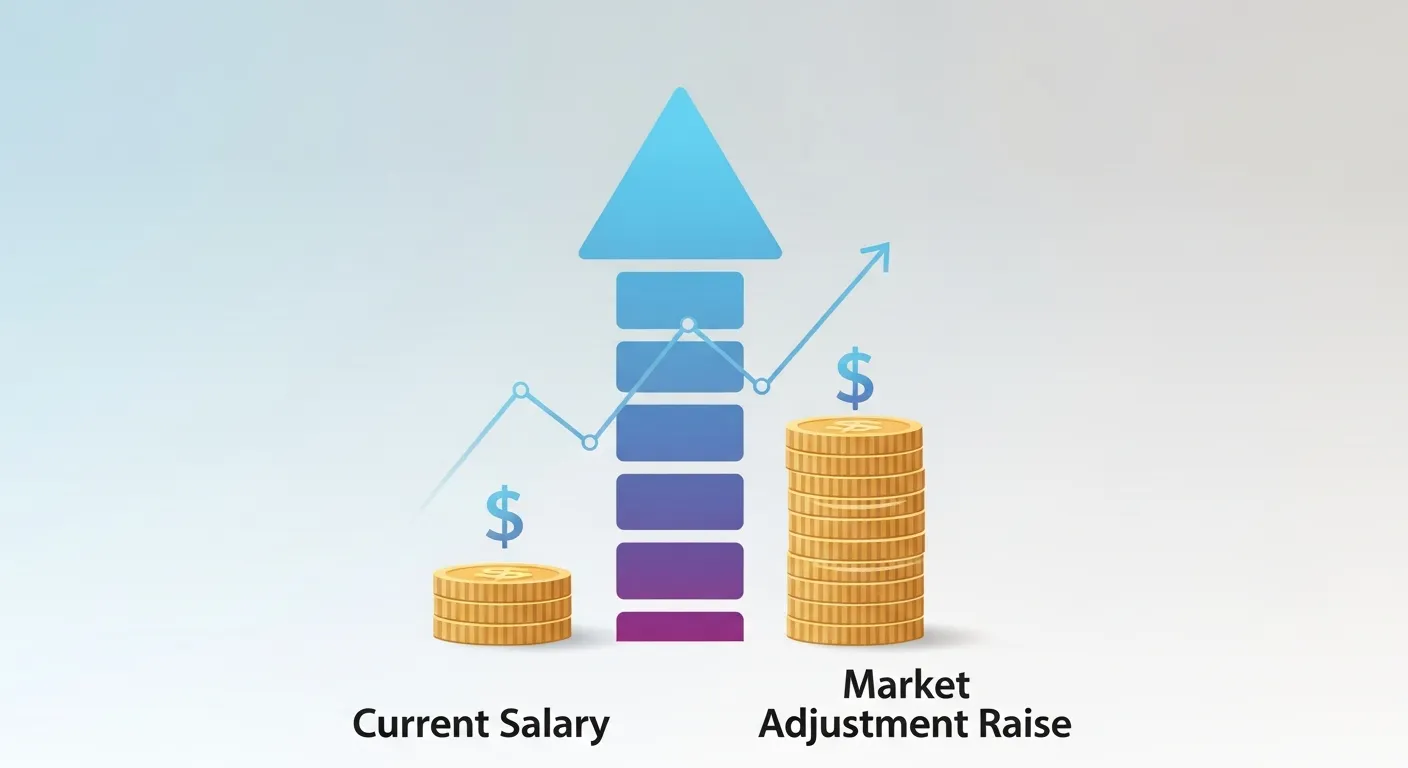
Market adjustment raises are salary increases provided to align an employee’s pay with the current market rate for their role. These raises typically arise as part of a company’s efforts to maintain competitive compensation structures and ensure that employees feel valued.
A market adjustment raise could be driven by several factors, including but not limited to:
- Industry benchmarking data that shows pay rates for similar roles have increased.
- Rising cost of living, where inflation or housing costs may require higher wages for a decent standard of living.
- Talent retention pressures, where competitors offer higher salaries to poach talent.
For example, if recent research reveals that software engineers in your city generally earn $100,000 per year, but your in-house engineers are making $85,000, a market adjustment raise might be offered to bring them closer to or equal to the market rate.
While these raises are important for keeping employee compensation competitive, how you communicate this adjustment plays a major role in how employees perceive the change. Read more Marketing Communication Channel
Why Market Adjustments Are Crucial
Communicating salary changes can be sensitive, but when you communicate a market adjustment raise, it signals that your organization values fairness and recognizes employee contributions. Market adjustment raises ensure pay aligns with industry standards, fostering satisfaction, loyalty, and retention. Clearly explaining these adjustments helps employees feel valued while maintaining trust across the organization.
Why Communication Matters in Market Adjustment Raises
The compensation issue is a delicate area, but it also plays a crucial role in shaping employees’ satisfaction, loyalty and retention. One such adjustment of compensation which businesses carry out is the market adjustment wage increase. In contrast to merit increase or promotions, a market adjustment raise enables employees to keep up with the prevailing wage levels; thereby ensuring that their remuneration is competitive and fair. However, what is the best way to inform employees of these changes in language that is clear, professional, and acceptable emotionally? This article will explain market adjustment raises in a comprehensive manner and offer definite guidance on how your company can effectively communicate them.
Understand the Reason for the Adjustment

Before announcing a market adjustment raise to employees, ensure you fully understand why the adjustment is being implemented. This involves gathering data and context, such as:
- Industry benchmarks. Why is a raise necessary to align with market standards?
- Internal pay equity. Does this raise address disparities within your organization?
- Retention trends. Are you losing employees to competitors due to uncompetitive compensation?
Being thoroughly informed allows you to communicate the adjustment with confidence and clarity. It also ensures you can answer questions employees may have about the change.
Factors That Typically Drive Market Adjustment Raises
When planning to communicate a market adjustment raise, it’s helpful to understand the factors that commonly lead to these adjustments. Highlighting these in your internal review process ensures clarity when discussing the raise with employees. Common drivers include:
- Industry Salary Benchmarks: Ensuring pay aligns with competitors for similar roles.
- Inflation and Cost of Living: Adjustments made to maintain employees’ purchasing power.
- Retention Challenges: Addressing wage gaps that may lead to talent leaving for higher-paying offers.
- Skill Scarcity: Roles with high demand and low availability may require pay realignment.
- Internal Equity: Correcting discrepancies among employees with similar responsibilities and experience.
By clearly understanding these factors, managers can confidently explain the rationale behind the adjustment when they communicate a market adjustment raise.
Decide on Timing and Delivery Method
Choose an appropriate time and method to communicate the raise. Some considerations include:
Timing
- Deliver the news as soon as possible once decisions are finalized to avoid speculation or rumors.
- Ensure employees are notified before they see changes reflected in their paychecks to prevent confusion.
Delivery Method
- One-on-one meetings with managers work well for small teams and foster a personal touch.
- Company-wide announcements may be appropriate for large-scale adjustments but should supplement individual notifications for clarity.
Tailoring the delivery method to your organization’s size and culture ensures that the communications analytics messaging
Craft a Clear, Transparent Message
The most critical part of communicating a market adjustment raise is how the message is framed. Your goal is to explain the change plainly, without creating false expectations or confusion.
Here’s what to include in your communication:
- The purpose of the adjustment. Explain that this is to align pay with the market, not a reflection of individual performance.
- Acknowledge the employee’s value. Tie the adjustment to your commitment to offering fair and competitive pay.
- Details of the raise. Be upfront about the effective date, amount, or percentage increase, and whether it’s recurring or a one-time adjustment.
- Why now? If applicable, share the factors that prompted the adjustment, such as recent market analysis or company-wide reviews.
A sample message could look like this:
“We’ve recently conducted a compensation review to ensure salaries align with current market trends. Based on this analysis, we’re making adjustments to bring your compensation in line with industry standards. Your new annual salary will be $X, effective on [specific date]. This adjustment reflects our commitment to providing fair pay for all employees and recognizes the value you bring to the team.”
Sample Communication Table for Market Adjustment Raises

Place this table in your article as a quick visual reference for HR or managers.
| Audience | Key Message | Tone | Delivery Method |
|---|---|---|---|
| Individual Employee | “Your salary has been adjusted to align with current market rates.” | Personal, Appreciative | One-on-one meeting |
| Small Team | “We’ve made market adjustment raises to ensure fairness and competitiveness.” | Collaborative | Team meeting |
| Company-Wide Announcement | “Our compensation review ensures salaries meet market standards for all roles.” | Professional, Transparent | Email or internal portal |
This table makes it easier for HR to standardize communications while keeping them context-appropriate.
Encourage Open Dialogue
Encourage employees to ask questions or express concerns after receiving the adjustment news. Providing clarity not only reduces confusion but also reassures employees that you are committed to transparency.
Tips for fostering open communication include:
- Be proactive. Anticipate common questions, like how the pay was benchmarked or why adjustments vary by role.
- Provide context. Offer resources or reports that explain how market rates were determined.
- Offer support. Assure employees they can meet with HR or their direct manager for further clarification.
This dialogue gives employees the chance to feel heard and valued, thus making the adjustment more meaningful.
Reinforce Your Ongoing Commitment
Communicating a market adjustment raise also provides an opportunity to reinforce your organization’s commitment to fair pay and competitive compensation practices.
You might emphasize initiatives such as:
- Regular pay structure reviews to ensure continued alignment with market trends.
- Investments in employee professional growth through training programs or performance-based bonus opportunities.
- A commitment to pay equity across all roles and demographics within the organization.
Employees who see genuine efforts to value their contributions are more likely to remain engaged, motivated, and loyal to the company long-term.
Best Practices to Ensure the Raise is Well-Received
Even after communicating a market adjustment raise, there are steps you can take to ensure employees fully understand and appreciate the adjustment:
- Highlight the Purpose Clearly: Emphasize that the raise is about market alignment, not individual performance.
- Encourage Questions: Provide a forum for employees to discuss their pay openly with HR or managers.
- Show Long-Term Commitment: Reinforce that compensation reviews will be regular and transparent.
- Link to Career Growth: Explain how this adjustment fits into broader development or bonus programs.
- Document the Conversation: Follow up with written confirmation summarizing the raise and its rationale.
These practices reinforce trust and ensure that your communication is not only heard but also positively received.
Setting the Stage for Success
Market rate adjustments are about more than money–they’re also a vote of confidence in your staff and expression how fair you wish things were. With open communication skills, you can ensure that this investment doesn’t fall into oblivion or be misinterpreted.
By explaining the purpose, delivery and effect of the adjustment, employees will feel recognized and encouraged, fostering stronger organizational trust and participation. Correspondingly, fostering a climate of open communication shows employees that their views and qualms are welcome here.
To hone your market adjustment strategy, are you tempted to give a raise? Call our HR specialists right away and learn how to communicate such pay changes effectively.
Communicating Market Adjustments: Key Takeaways

When you communicate a market adjustment raise, remember these key takeaways to maximize impact:
- Be transparent about the reason for the adjustment.
- Deliver the news in a timely, respectful manner.
- Use clear, consistent messaging for both individuals and teams.
- Encourage open dialogue and follow-up questions.
- Reinforce your organization’s commitment to fair and competitive pay.
Properly executed, market adjustment raises not only align compensation with the market but also signal that your organization values fairness, transparency, and employee well-being.
Conclusion
Effectively communicating a market adjustment raise is more than a transactional update—it is a strategic step in nurturing employee satisfaction and retention. Clear, transparent, and empathetic communication reassures employees of their value, reduces confusion, and reinforces the organization’s commitment to fairness. When executed well, market adjustment raises become a tool not only for competitive compensation but also for fostering a culture of trust and appreciation within your company.
Frequently Asked Questions (FAQs) About Market Adjustment Raises
1. What is a market adjustment raise?
A market adjustment raise is a salary increase provided to align an employee’s pay with current industry standards for their role. It ensures competitiveness and fairness without being tied to individual performance.
2. How is a market adjustment raise different from a merit raise?
Merit raises reward performance, achievements, or exceptional contributions. Market adjustment raises focus on aligning compensation with external market rates and internal pay equity.
3. Why are market adjustment raises important?
They help retain top talent, maintain competitive pay, foster employee trust, and ensure that compensation remains fair and equitable across roles.
4. When should a company communicate a market adjustment raise?
Communicate the adjustment as soon as it is finalized, ideally before employees notice changes in their paychecks. Early communication reduces confusion and demonstrates transparency.
5. Who should deliver the news about a market adjustment raise?
Managers usually communicate the raise one-on-one, with HR providing additional support or company-wide context for broader adjustments.
6. How should the message be framed?
Explain clearly that the raise is due to market alignment, not performance evaluation. Include the amount or percentage, effective date, and whether it is recurring. Acknowledge the employee’s value and contributions.
7. Should employees be allowed to ask questions?
Yes. Open dialogue ensures employees understand the rationale, feel heard, and builds trust in the organization’s compensation practices.
8. How can a company ensure fairness in market adjustments?
Use industry benchmarks, internal equity analysis, and consider cost of living, retention challenges, and role-specific demand. Consistent criteria prevent perceptions of favoritism.
9. Are market adjustment raises one-time or recurring?
They can be either. Clearly communicate whether the adjustment is ongoing or a one-time increase to avoid confusion or false expectations.
10. Can market adjustment raises affect team dynamics?
Yes. Clear communication and consistent implementation help maintain fairness, minimize misunderstandings, and preserve team cohesion.
11. What tools can support communicating market adjustment raises?
One-on-one meetings, team meetings, emails, and internal HR portals ensure clear, consistent messaging. Written documentation provides a reference for employees.
12. How often should companies review salaries for market adjustments?
Salaries should be reviewed regularly—at least annually—or whenever significant changes occur in market trends or cost of living. Regular reviews allow timely adjustments and proactive communication