
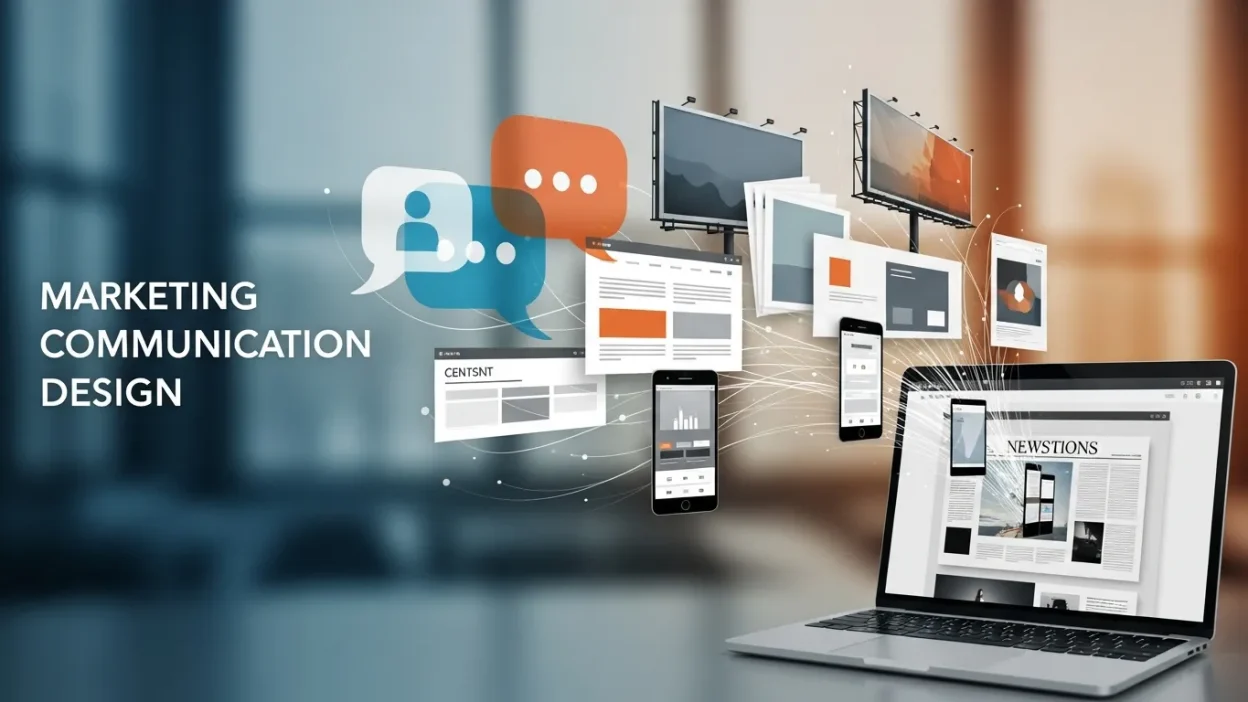
Marketing communication design uses visuals, typography, and color to engage audiences and tell your brand story. By applying principles, tools, and trends effectively, businesses improve recognition, trust, accessibility, and conversions while maintaining consistent and compelling brand messaging.
This is all about making beautiful messages that are catchy and also accomplish your company’s goals. These articles aren’t just a beauty treatment for your marketing materials; they tell the story of your brand in an instant.
Each day the consumer is bombarded with thousands of ads and messages. So your design needs to stand out. But how can we accomplish this feat? With this blog we explore on many levels how to develop premium marketing communication design that resonates: from the principles to strategies of strategy and even specific tools.
Why Visual Elements Are Key to Marketing Success
 We dwell in an age that’s dominated by images. According to research, people process visuals fifty-six thousand times more quickly than words. The visual elements of your marketing message will be read first and most often remembered by the audience. Compelling images can substantially boost comprehension, retention rates and engagement, which is why getting design right is of paramount importance to your marketing strategy.
By using well-thought-out marketing communication design, businesses can:
- Communicate complex ideas instantly.
- Show professionalism and build trust.
- Evoke emotions that align with their brand values.
Start With the Audience
If you’re designing without considering who you’re speaking to, you’re setting yourself up to fail. Effective marketing communication design begins by understanding your target audience:
- Demographics (age, gender, income, education) inform the tone and style.
- Psychographics (interests, values, lifestyle) shape storytelling.
- Buying Behavior sheds light on preferences for specific visual styles.
For example, a financial services brand targeting millennial professionals might use a clean layout, modern typography, and cool, calming colors to convey sophistication and trustworthiness.
Color Theory and Psychology in Design
Colors trigger human emotions and behaviors, making them powerful tools in marketing communication design. Understanding the psychology behind colors helps you to set the right mood and send the right message.
- Red conveys passion, urgency, or excitement (think sale alerts).
- Blue represents trust, calmness, and reliability (commonly used by banks and tech companies).
- Yellow exudes happiness and optimism, grabbing eye-catching attention.
- Green is synonymous with growth, health, or environmental consciousness.
When choosing a color palette, consider not only how the hues align with your brand personality but how they might resonate across cultures. For instance, while white symbolizes purity in Western cultures, it connotes mourning in parts of Asia.
The Hidden Power in Typography
Typography plays an often overlooked but critical role in marketing communication design. It affects readability, tone, and credibility of your message.
- Font personality matters. Serif fonts like Times New Roman exude tradition and reliability, while sans-serif fonts like Helvetica are modern and clean.
- Size and spacing affect readability. Ensure adequate line spacing and font size, especially for web content, to make it easy on the eyes.
- Hierarchy in text can direct the audience’s focus. Use varying font sizes and weights to guide readers through your message in the intended order.
For instance, Apple leverages minimalist sans-serif fonts with generous white space to convey sleekness and forward-thinking design.
Building a Strong Brand Identity With Design
Marketing communication design is the backbone of a cohesive brand identity. Every visual aspect of your design—from your logo to your social media posts to your email templates—communicates who you are as a brand. Consistency across these elements builds recognition and trust.
Key Elements of a Cohesive Design:
- Logo: A memorable logo is simple, versatile, and aligned with your brand purpose.
- Color Palette: Stick to a consistent palette that complements your core message.
- Imagery and Graphics: Use photography, illustrations, or icons that reinforce your tone.
- Typography: Choose a style that works seamlessly in digital and print formats.
- Templates: Establish templates for presentations, brochures, and social media designs for uniformity.
By ensuring these elements align, you create a seamless brand experience across all touchpoints.
Stellar Examples of Marketing Communication Design
Sometimes, the best way to learn is to take inspiration from those who do it well. Here are a few brilliant examples of marketing communication design:
- Nike – Dynamic visuals, bold typography, and empowering photography perfectly embody its “Just Do It” spirit.
- Airbnb – Emotionally driven design focuses on storytelling through inviting photography and clean, approachable layouts.
- Slack – Balances vibrant, engaging visuals with clear, functional layouts perfect for digital platforms.
These brands excel because they align their designs with their overarching message and audience expectations.
Tools and Resources to Bring Your Designs to Life
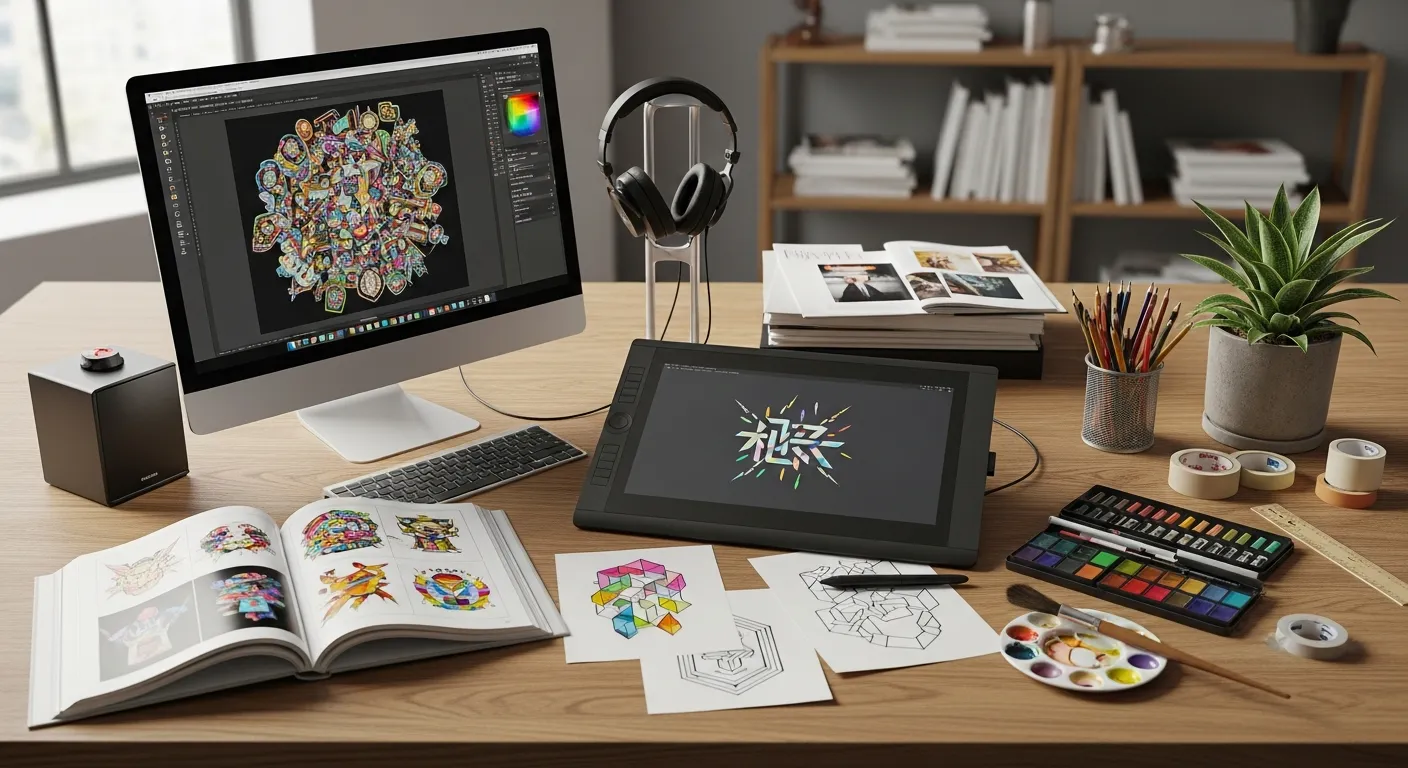 Great marketing communication design requires the right tools. Here are some that professionals swear by:
- Adobe Creative Cloud (Photoshop, Illustrator, and more): Industry standard for advanced graphic design.
- Canva: Perfect for non-designers who need stunning visuals fast.
- Figma and Sketch: Essential for UI/UX design and collaboration.
- Unsplash and Pexels (Stock Images): High-quality, free imagery for stunning visuals.
- Coolors (Color Palette Generator): Helps create harmonious color schemes for your projects.
These tools cater to beginners and experts, so choose one that matches your skill level.
Measuring the Success of Your Design
How do you know your design is working? Measure its impact using the following KPIs:
- Engagement Metrics: Likes, shares, comments, and click-through rates.
- Conversion Rates: The percentage of your audience that takes a desired action.
- Brand Recognition: Conduct surveys or focus groups to measure familiarity with your brand elements.
- Behavioral Changes: Increased time spent on websites or lower bounce rates.
Regular testing and tweaking of your design elements can keep your campaigns dynamic and effective.
Future Trends in Marketing Communication Design
Marketing communication design is continually evolving. Keep an eye on these emerging trends:
- AI-Assisted Design with tools like Adobe Firefly that boost creativity and efficiency.
- Interactive Elements like shoppable social media posts.
- 3D and AR Design for dynamic and immersive customer experiences.
- Inclusivity and Accessibility ensuring designs cater to audiences with diverse needs.
Staying ahead of these trends will keep your brand relevant in a crowded marketplace.
Accessibility and Inclusivity in Design
Inclusive design ensures accessibility for all users, including those with disabilities. Marketing communication design should integrate captions, alt text, readable fonts, and clear navigation. Culturally sensitive visuals, colour choices, and typography improve engagement across diverse audiences. Accessible design broadens reach, enhances brand reputation, and demonstrates social responsibility. Inclusivity also strengthens emotional connection with users who feel represented. Brands that prioritize accessibility adhere to legal standards while creating an equitable experience. Incorporating inclusive practices ensures marketing communication design resonates effectively and fairly with all audience segments.
Craft Compelling Visual Stories Today
Marketing communication design, for one, isn’t just concerned with how your materials look; it is about telling an attractive story that reaches the reader. Understanding your audience and mastering visual elements, along with using the correct tools, can create designs for your brand.
ロIf you’re looking to elevate the level of your marketing communication design then don’t do it on your own. For specialized advice and resources that will really bring your brand to life, reach out and pass a relevant project to our team of experts.
Trends in Marketing Design
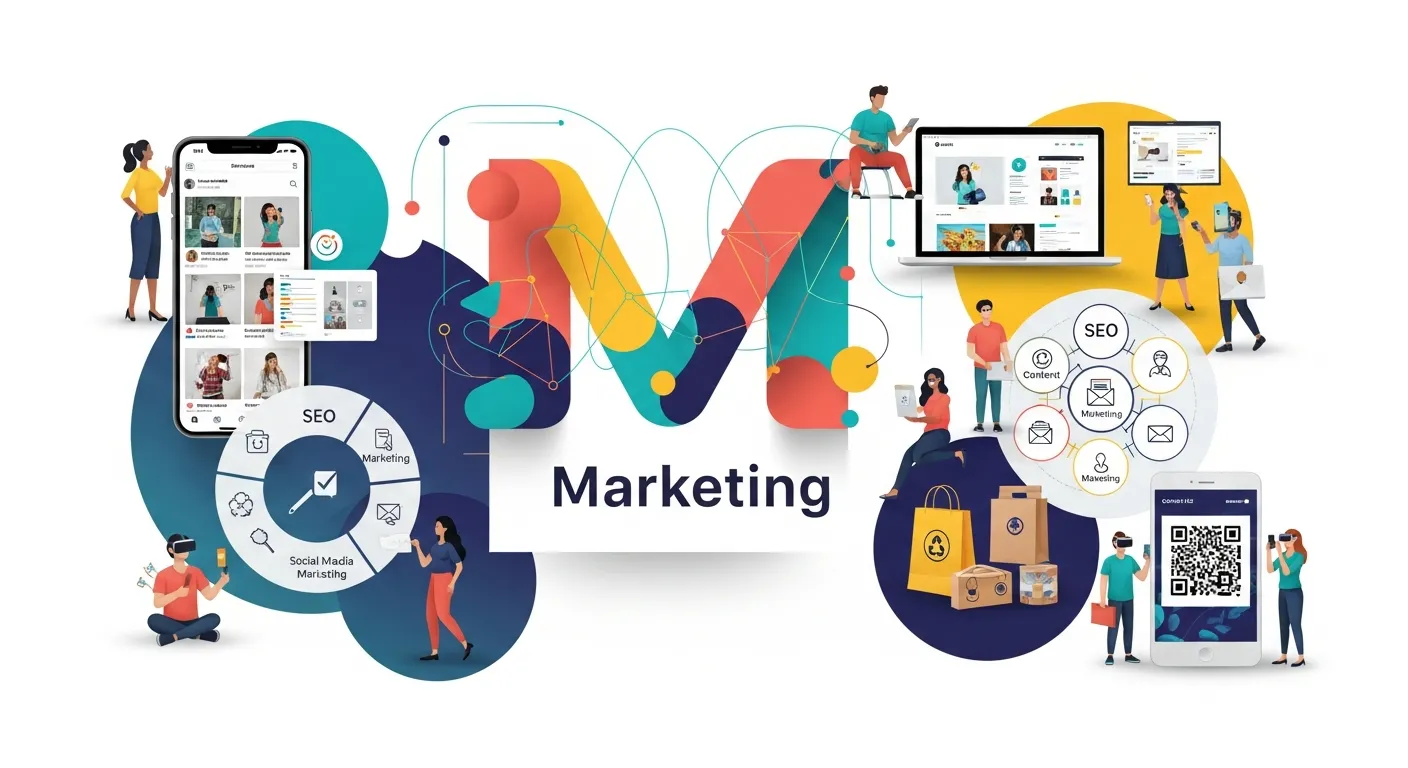 The marketing design landscape continues to evolve. AI-assisted tools enhance creativity and speed, while interactive and immersive AR/3D experiences redefine engagement. Shoppable social media posts and personalization allow users to interact directly with brands. Sustainability-focused visuals and inclusive design practices reflect evolving consumer values. Staying current with trends ensures relevance, competitive advantage, and audience engagement. Marketing communication design will increasingly integrate data-driven personalization, real-time engagement, and advanced technologies. Forward-thinking brands that adopt these trends create memorable, innovative campaigns that align with both market expectations and evolving customer needs.
Conclusion
Marketing communication design is more than aesthetic appeal; it tells your brand story and engages audiences effectively. By understanding your audience, leveraging color, typography, and interactive elements, and using the right tools, you can craft designs that improve recognition, trust, and conversions. Consistency, accessibility, and trend awareness ensure long-term effectiveness. Strong visual communication supports overall marketing strategy and elevates brand perception in a competitive market.
FAQs About Marketing Communication Design
1. What is marketing communication design?
Marketing communication design is the strategic creation of visual materials—using images, typography, color, and layout—to communicate a brand’s message effectively. It ensures that every design element, from logos to social media posts, aligns with brand identity, resonates with the audience, and encourages engagement. A strong design strategy bridges the gap between creativity and business goals, making complex ideas easy to understand while leaving a lasting impression.
2. Why is visual design important for marketing?
Visual design captures attention faster than text, making messages more memorable and impactful. Studies show that people process images 60,000 times faster than written words. Well-crafted visuals enhance comprehension, evoke emotions, and increase audience engagement. They build trust, convey professionalism, and strengthen brand recall. In a competitive marketplace, a compelling design helps brands stand out, communicate value quickly, and influence audience behavior.
3. How does marketing communication design contribute to brand identity?
Design is a critical component of brand identity. Consistent use of logos, colours, typography, imagery, and layout across all touchpoints builds recognition and credibility. It conveys your brand’s personality, values, and messaging style. Strong design ensures that audiences can immediately identify your brand and fosters trust, loyalty, and emotional connection. Effective marketing communication design strengthens both visual recognition and the overall perception of professionalism.
4. Which tools are best for creating marketing designs?
Professional marketing communication design tools include Adobe Creative Cloud (Photoshop, Illustrator, InDesign), Canva for rapid designs, Figma and Sketch for UI/UX collaboration, and stock photo platforms like Unsplash or Pexels. Color palette generators such as Coolors and typography tools like Google Fonts streamline creative workflows. Choosing the right tool depends on skill level, project type, and design complexity. Combining tools ensures efficiency, consistency, and high-quality visuals.
5. How does color impact marketing communication design?
Colors convey emotion, influence perception, and guide behavior. Red signals urgency or excitement, blue evokes trust and calm, yellow encourages optimism, and green reflects growth or sustainability. Color palettes must align with brand personality, audience preferences, and cultural context. Consistent use of color strengthens brand identity, improves readability, highlights calls-to-action, and ensures visual harmony across digital and offline platforms, maximizing engagement and conversions.
6. What role does typography play in marketing design?
Typography communicates tone, enhances readability, and establishes hierarchy within a message. Serif fonts convey tradition and reliability, while sans-serif fonts suggest modernity and clarity. Proper font size, spacing, and weight ensure easy reading across devices. Strategic typography guides viewers through content, emphasizes key points, and reinforces brand personality. Combined with color and visuals, typography transforms messages into clear, professional, and emotionally resonant communications.
7. How can businesses measure the effectiveness of their marketing designs?
Design effectiveness can be measured using engagement metrics, conversion rates, time spent on pages, and click-through rates. Surveys, focus groups, and user feedback reveal audience perception and emotional responses. A/B testing different designs helps optimize messaging and aesthetics. Monitoring these metrics ensures that visual elements contribute to marketing objectives, enhance brand recognition, and drive measurable business results. Continuous evaluation allows brands to improve design performance over time.
8. Is interactive design worth investing in?
Yes. Interactive elements like quizzes, polls, augmented reality (AR), and clickable infographics increase audience participation and retention. Users engage more actively with content, resulting in longer attention spans and higher conversion rates. Interactive design also collects valuable behavioral data that informs marketing decisions. By integrating interactivity, marketing communication design creates immersive experiences that strengthen emotional connections and make campaigns more memorable and effective.
9. How do I ensure my marketing designs are accessible?
Accessible marketing design ensures that all users, including those with disabilities, can engage with content. This includes using readable fonts, alt text for images, captions for videos, high-contrast colors, and clear navigation. Culturally inclusive imagery and language also broaden reach. Accessibility not only meets legal requirements but demonstrates social responsibility, improves user experience, and fosters trust, ensuring your designs resonate with diverse audiences.
10. Can small businesses implement effective marketing communication design?
Absolutely. Small businesses can achieve professional, impactful design without large budgets. Tools like Canva, Figma, and stock image libraries enable low-cost, high-quality visuals. By focusing on consistent branding, clear messaging, and audience-centric design, even small businesses can compete with larger brands. Thoughtful marketing communication design helps small businesses build credibility, increase engagement, and drive conversions efficiently.
11. What are the current trends in marketing communication design?
Key trends include AI-assisted design tools that speed up creativity, AR/3D visuals for immersive experiences, interactive social media content, inclusive and accessible design, and sustainability-focused imagery. Minimalism, bold typography, and data-driven visual storytelling also dominate. Staying updated on these trends ensures your marketing communication remains relevant, competitive, and engaging to modern audiences.
12. How often should marketing designs be updated?
Marketing designs should be refreshed every 6–12 months or whenever brand guidelines, audience behavior, or industry trends change. Regular updates keep visuals relevant, maintain engagement, and ensure consistency across campaigns. Testing new styles, layouts, or interactive elements helps optimize performance and adapt to evolving consumer expectations.