


Strategic Brand Communication is the key to unifying all marketing efforts under a single, consistent brand voice. By integrating advertising, PR, content, sales promotions, direct marketing, and personal selling, businesses can strengthen relationships, increase engagement, and drive conversions. Mastering this approach ensures your brand is recognizable, trusted, and competitive in the market.
Marketing communications is the lifeblood of any successful business, bridging the gap between your brand and your audience. It goes beyond merely promoting products or services; it’s about crafting meaningful messages, delivering them through the right channels, and building lasting relationships with customers. By focusing on Strategic Brand Communication, businesses can ensure that every touchpoint—whether a social media post, an email, a live demo, or a media feature—consistently reflects their brand identity, values, and promise. This integrated approach not only enhances engagement and conversions but also strengthens trust, credibility, and long-term loyalty. Whether you are a small business owner just starting out or an established brand looking to refine your marketing strategy, understanding and implementing Strategic Brand Communication is essential to achieving measurable growth and maintaining a competitive edge.
What is Marketing Communications?
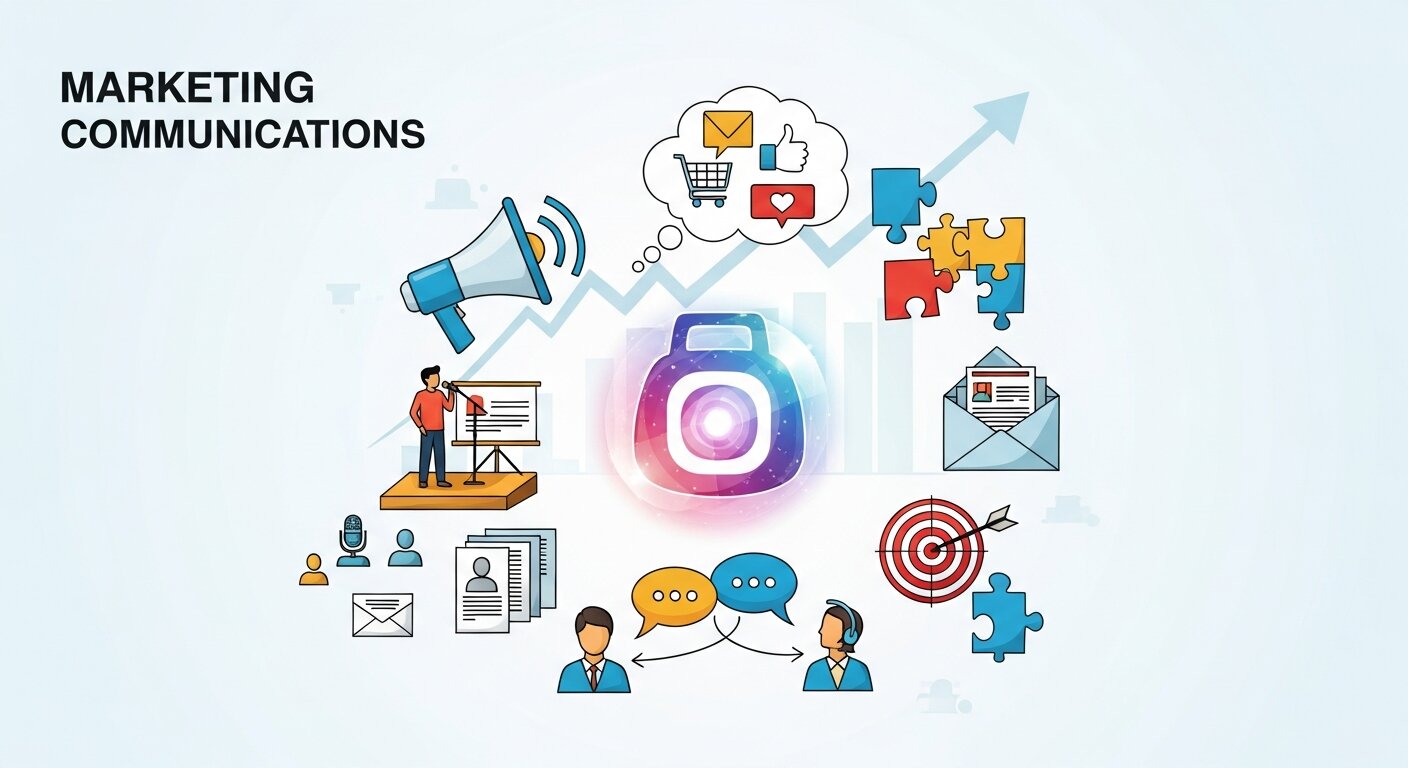
Marketing communications is a strategic approach to delivering targeted messages to your audience, helping to build relationships and drive desired actions. It encompasses both the message (what you say) and the mediums (how you say it) used to reach your audience effectively. For businesses seeking long-term growth, understanding Strategic Brand Communication is crucial—it ensures that every touchpoint with your audience reinforces your brand identity while guiding customers toward meaningful engagement and loyalty.
The primary goal? To create a consistent brand voice and presence while encouraging engagement, loyalty, and conversions. At its core, marketing communications ties directly to three essential outcomes:
- Informing customers about a product or service
- Persuading potential customers to take action
- Reinforcing brand loyalty and trust
Executing these outcomes successfully requires a deliberate focus on Strategic Brand Communication, which integrates messaging across multiple channels for maximum impact. By aligning advertising, public relations, content marketing, direct engagement, sales promotions, and personal selling, brands can craft a cohesive story that resonates with their audience at every touchpoint.
The 6 Core Components of Marketing Communications
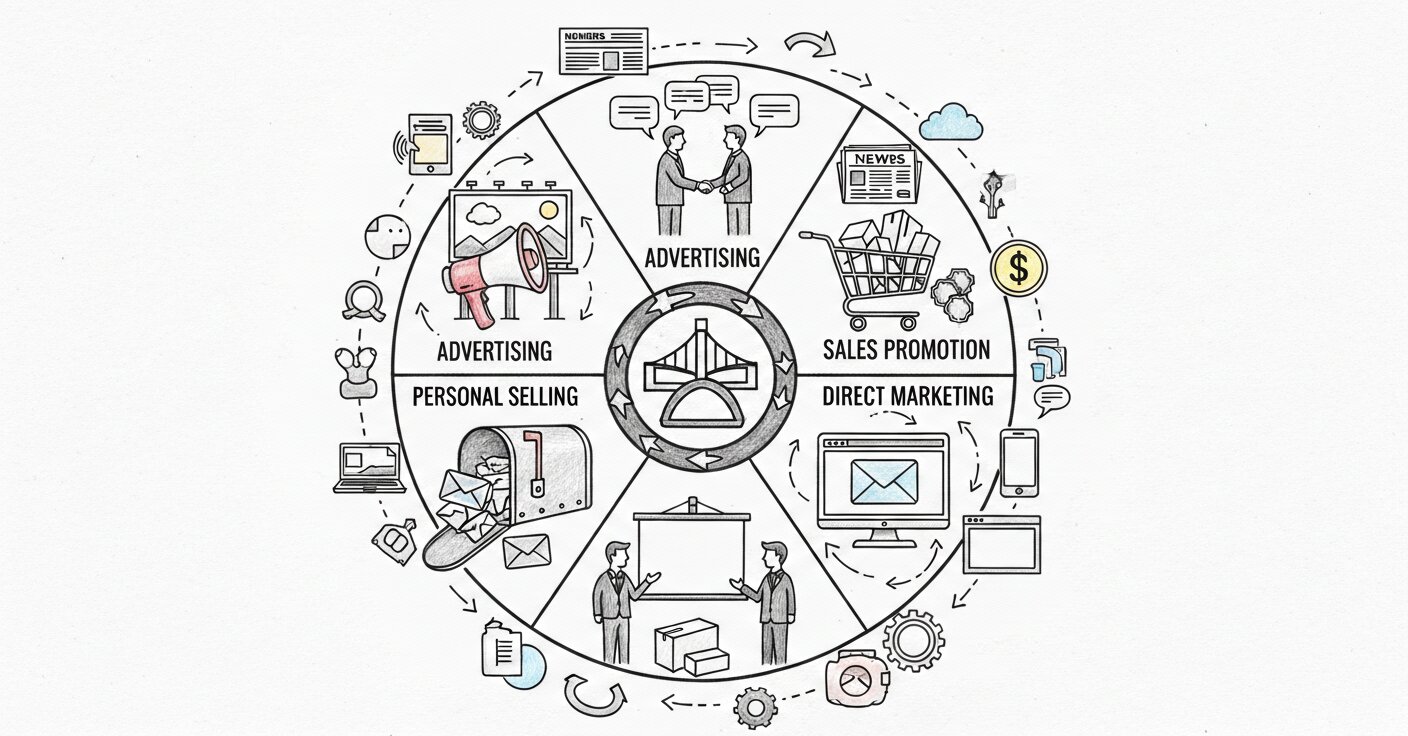
Advertising
Advertising is often the most visible element of marketing communication. It involves paid media aimed at reaching a broad audience, whether through digital or traditional channels. Advertising is a cornerstone of Strategic Brand Communication because it allows businesses to amplify their message consistently and visually across multiple platforms.
Key Platforms for Advertising:
- Digital Advertising (PPC ads, social media ads, banner ads)
- Print Advertising (magazines, newspapers)
- Television and Radio
- Outdoor Ads (billboards, transit ads)
The strength of advertising lies in its scalability. Businesses can reach a large and diverse audience quickly, but it often comes at a higher cost compared to other communication methods.
Example: A luxury skincare brand runs Instagram ads featuring visually stunning videos to showcase product benefits. By maintaining a consistent style, messaging, and tone, the brand demonstrates Strategic Brand Communication, ensuring every ad reinforces their premium positioning and engages the audience effectively.
Public Relations (PR)
Public relations focuses on building and maintaining your brand’s reputation. Unlike advertising, PR doesn’t rely primarily on paid placements but leverages storytelling, relationships with media, and influencer partnerships to generate authentic buzz. PR is a cornerstone of Strategic Brand Communication, as it allows brands to shape public perception while fostering credibility and trust.
PR Activities Include:
- Preparing press releases and media announcements
- Hosting events and product launches
- Managing ongoing media and influencer relations
- Developing crisis communication strategies
When executed effectively, PR establishes trust by showcasing earned coverage rather than paid promotional ads. This authentic visibility not only strengthens your brand image but also enhances the overall impact of your marketing campaigns.
Example: A tech startup secures a feature in a leading industry publication, positioning its CEO as a thought leader. This earned coverage not only boosts the startup’s credibility but also exemplifies Strategic Brand Communication by aligning public messaging with the company’s brand values.
Sales Promotions
Sales promotions are short-term strategies designed to drive immediate action, such as purchases, sign-ups, or event attendance. They create urgency and provide tangible incentives for customers, making them an essential part of a holistic Strategic Brand Communication plan.
Types of Sales Promotions:
- Discounts and coupons for new or existing customers
- Buy One, Get One Free (BOGO) offers
- Limited-time deals and seasonal campaigns
- Loyalty programs to reward repeat business
Sales promotions work best when integrated with other marketing components, ensuring that the messaging is consistent with the brand’s long-term identity.
Example: An apparel retailer launches a weekend flash sale offering 30% off all items. The campaign’s visuals, tone, and messaging are aligned with the brand’s overall voice, demonstrating how sales promotions can reinforce Strategic Brand Communication while prompting immediate action.
Direct Marketing
Direct marketing involves reaching out to potential customers individually with personalized messaging. The goal is to elicit measurable responses, making it one of the most precise ways to implement Strategic Brand Communication. By tailoring messages to customer preferences, brands can build deeper relationships and increase conversion rates.
Common Direct Marketing Channels:
- Personalized email marketing campaigns
- Direct mail campaigns with targeted offers
- SMS and WhatsApp marketing for immediate engagement
Example: A subscription box service sends emails with personalized recommendations based on past purchases. This targeted approach not only drives sales but also reinforces the brand’s identity in the minds of customers, exemplifying the principles of Strategic Brand Communication through consistent, tailored messaging.
Content Marketing
Content marketing is about creating valuable, informative, and engaging content that attracts and nurtures leads without overtly selling a product or service. It builds credibility and long-term trust, making it a core element of Strategic Brand Communication. By offering solutions and insights, brands position themselves as authoritative voices in their industry.
Content Marketing Examples:
- Blog posts (like this one!) optimized with SEO
- Ebooks, whitepapers, and case studies
- Educational or tutorial videos and webinars
- Engaging social media content that informs or entertains
Pairing content marketing with SEO ensures that your messages reach the right audience at the right time. By keeping the tone, messaging, and visuals consistent, content marketing becomes a powerful tool for reinforcing Strategic Brand Communication.
Example: A real estate agency produces a video series providing first-time homebuyers with tips on navigating the market. By consistently sharing helpful, brand-aligned content, the agency strengthens trust and credibility, showing how Strategic Brand Communication drives engagement over time.
Personal Selling
Personal selling is the most direct form of marketing communication, involving face-to-face or one-on-one interaction between sales representatives and potential customers. It allows brands to deliver highly personalized messaging, making it an effective channel for executing Strategic Brand Communication.
Benefits of Personal Selling:
- Tailored pitches based on individual customer needs
- Builds long-term relationships and trust
- Immediate feedback and objection handling
- Facilitates consultative sales approaches for complex products
Example: An enterprise software company assigns sales reps to provide customized demos for decision-makers at target companies. Each interaction is designed to communicate the brand’s core values and solutions clearly, reinforcing the brand’s image in every conversation. This is a direct application of Strategic Brand Communication, ensuring that personal interactions align with the broader marketing strategy.
By integrating PR, sales promotions, direct marketing, content marketing, and personal selling under a unified approach, companies can create a seamless brand experience. When every channel, message, and interaction is carefully coordinated, it exemplifies Strategic Brand Communication, ensuring that the brand’s voice remains consistent, recognizable, and persuasive across all touchpoints.
Strategic Brand Communication is not just about individual campaigns—it’s about orchestrating every marketing effort to build relationships, inspire trust, and drive long-term growth. Leveraging these six components collectively maximizes reach, impact, and audience engagement while reinforcing the brand identity at every stage.
Integrating Marketing Communications for Maximum Impact
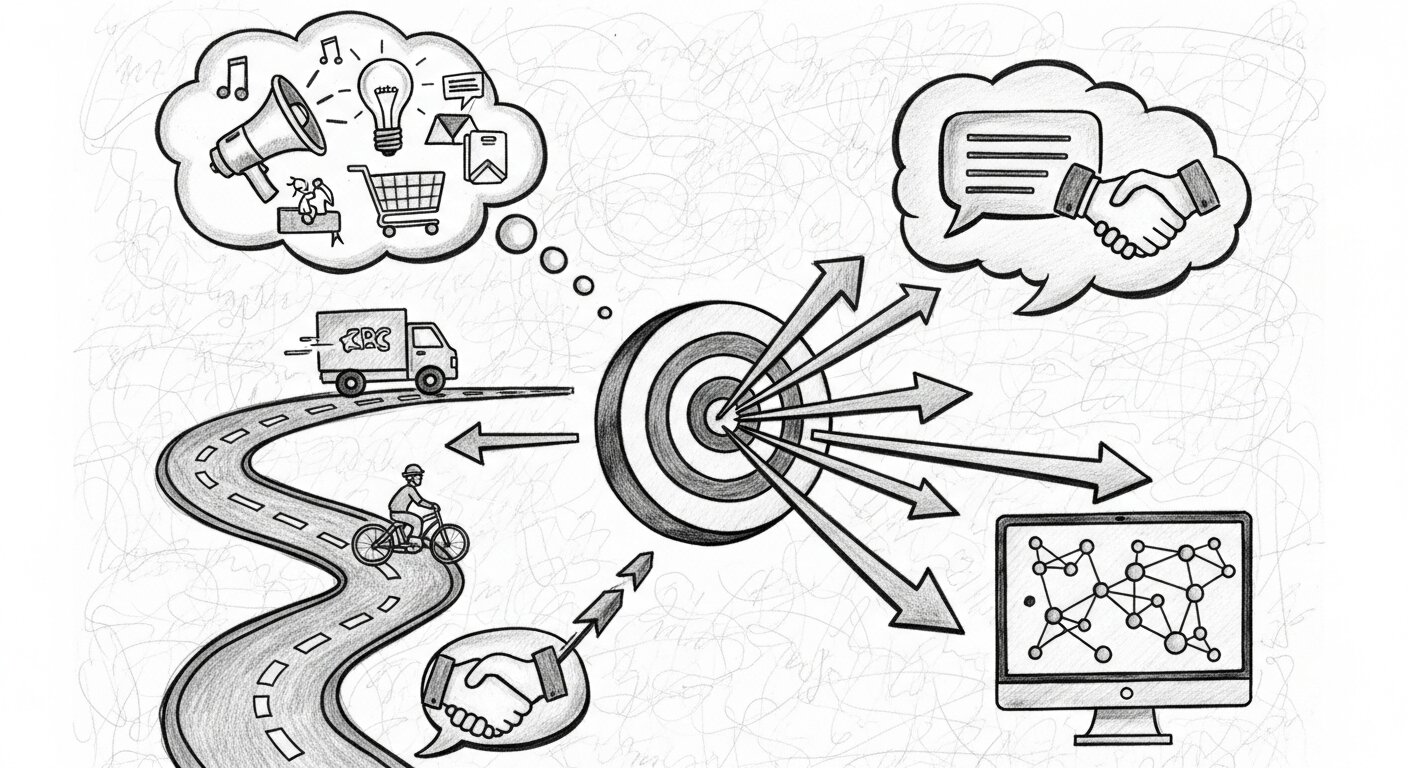
|While each component of marketing communications plays a unique role, the true power lies in integration. Combining advertising, PR, content marketing, direct marketing, sales promotions, and personal selling into a cohesive, multi-channel strategy creates a seamless brand experience. This unified approach not only reinforces trust and boosts engagement but also ensures that every interaction reflects a consistent, recognizable brand identity.
A well-executed integration strategy is the essence of Strategic Brand Communication. By aligning messages, tone, and visuals across all channels, brands create a stronger connection with their audience, making each touchpoint memorable and effective.
Tips for Successful Integration:
- Develop a consistent brand voice – Whether through social media, email, or face-to-face interactions, your messaging should resonate consistently across every channel. Consistency is a hallmark of Strategic Brand Communication.
- Leverage audience insights – Use data to determine which mix of channels and messages will resonate most with your target demographic, ensuring your communications are relevant, timely, and impactful.
- Invest in marketing tools and analytics – Monitoring performance across campaigns allows you to fine-tune messaging and delivery. Analytics ensure your integrated efforts reflect the principles of Strategic Brand Communication, maximizing ROI and audience engagement.
- Coordinate across teams – Encourage collaboration between marketing, sales, PR, and customer service teams. Alignment ensures that your brand communicates a unified message, reinforcing the same values and promises at every stage of the customer journey.
Example of Integration in Action:
Imagine a fitness brand launching a new product line. They might:
- Run targeted social media ads (Advertising)
- Pitch the launch story to media outlets (PR)
- Create educational how-to videos (Content Marketing)
- Send personalized follow-up emails (Direct Marketing)
- Offer limited-time promotional deals (Sales Promotions)
- Host live demos or in-person consultations (Personal Selling)
When executed in harmony, these strategies reinforce each other, increase visibility, and improve conversion rates. This multi-faceted approach exemplifies Strategic Brand Communication, demonstrating how a consistent and integrated message can turn prospects into loyal customers.
Why Marketing Communications Matter
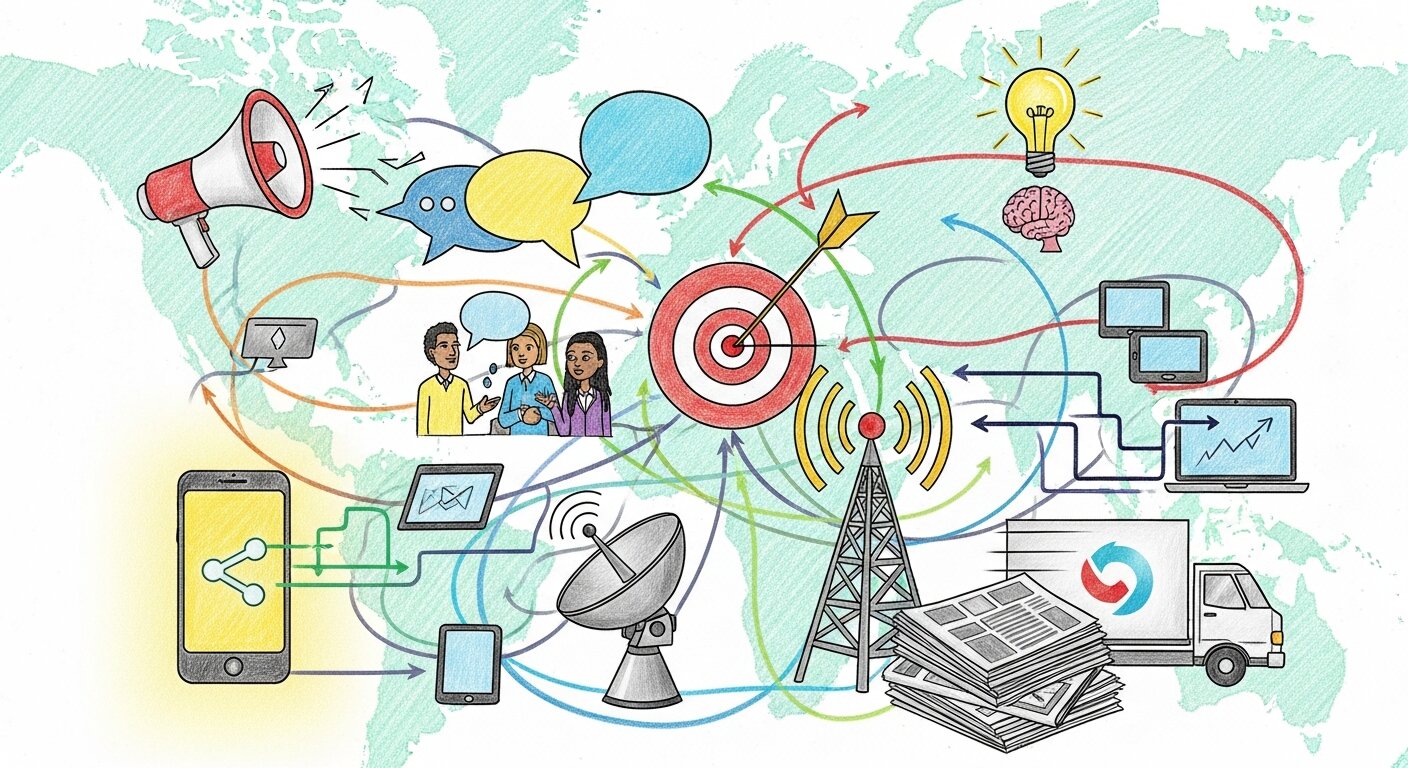
Marketing communications is more than just promoting products—it’s about telling a story, differentiating your brand from competitors, and establishing lasting, trustworthy relationships with your audience. Adopting Strategic Brand Communication ensures that every campaign, message, and interaction contributes to building a coherent and compelling brand narrative.
Whether you’re a small business just starting out or an established enterprise scaling operations, thoughtful and integrated marketing communications mean that every contact point reflects your brand’s values and mission. A customer’s experience with your brand should consistently reinforce trust, credibility, and recognition—exactly what Strategic Brand Communication strives to achieve.
By mastering this integrated approach, brands can:
- Present a unified voice across all channels
- Build meaningful, long-term relationships with customers
- Drive higher engagement, conversions, and loyalty
- Stand out clearly from competitors
Investing time and resources into Strategic Brand Communication doesn’t just improve marketing performance—it strengthens your brand equity and ensures your audience consistently experiences your brand as intended.
Looking to improve your marketing communications approach? Explore available resources, refine your messaging, and leverage best practices in Strategic Brand Communication to create campaigns that resonate, engage, and convert more effectively. With a clear strategy, your brand can harness the full potential of marketing communications to achieve sustainable growth and lasting customer relationships.
Frequently asked questions
What is Strategic Brand Communication?
Strategic Brand Communication is a planned approach to delivering consistent, impactful messaging across multiple channels to build trust, engage customers, and reinforce brand identity.
Why is Strategic Brand Communication important for businesses?
It ensures all marketing efforts—from advertising to personal selling—work together cohesively, strengthening brand recognition, loyalty, and conversions.
What are the core components of Strategic Brand Communication?
The six key components include advertising, public relations (PR), sales promotions, direct marketing, content marketing, and personal selling.
How does PR contribute to Strategic Brand Communication?
PR builds credibility and trust by sharing authentic stories, media coverage, and influencer partnerships, reinforcing your brand’s values without relying solely on paid promotions.
Can content marketing enhance Strategic Brand Communication?
Yes. By delivering valuable, informative, and engaging content, brands can establish authority, nurture leads, and maintain a consistent message aligned with their identity.
How do sales promotions fit into Strategic Brand Communication?
Sales promotions drive short-term action while aligning with your brand voice and messaging, creating urgency without compromising long-term brand consistency.
What role does personal selling play in Strategic Brand Communication?
Personal selling allows for tailored, one-on-one interactions, reinforcing your brand’s core values and strengthening customer relationships directly.
How do brands integrate multiple marketing channels effectively?
Successful integration involves consistent messaging, a unified brand voice, audience insights, and collaboration across marketing, sales, and customer service teams.
How can small businesses use Strategic Brand Communication on a budget?Small
businesses can leverage low-cost channels like content marketing, social media, and email campaigns while maintaining consistency and clarity in messaging.
How do I measure the success of Strategic Brand Communication?
Track engagement metrics, conversion rates, media coverage, customer feedback, and overall brand perception to ensure your integrated strategy is achieving desired outcome


