

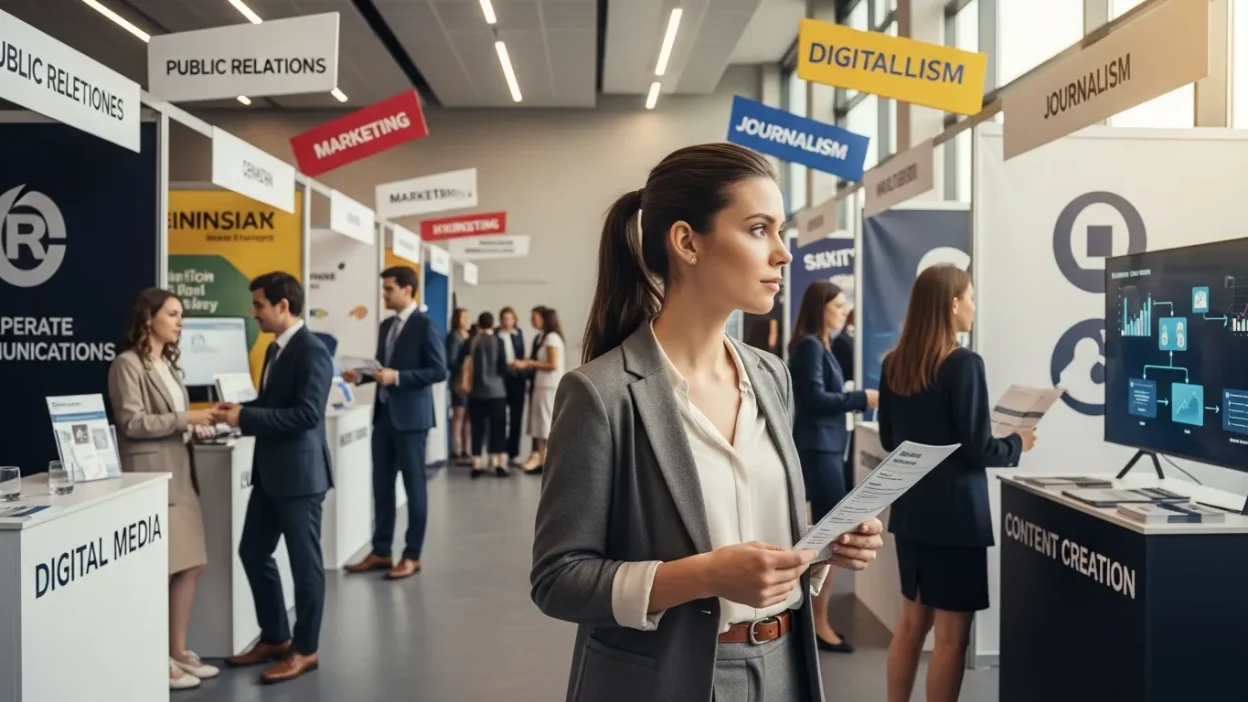
A communication degree offers versatile career paths across marketing, media, tech, HR, and NFT marketing. By mastering digital tools and strategic messaging, graduates can thrive in today’s evolving job market.
Having graduated with her degree in communications, she feels a mix of nervousness and restlessness. Because, she is standing facing the wide world now and a flood of new challenges beyond measure’s what confronts her. Of course, getting a degree in communication involves acquiring a whole set of skills. In fact, the biggest priority today for you may be just knowing how your own field is heading and what light other fields may throw onto its future direction.
How to Find a Job Market with a Communication Background
The company lives or dies according to its ability to sustain itself in the free market. Therefore, graduates who have studied communications are high up on any employer’s list. From creating promotional content for marketing businesses to organizing the internal or external message of enterprises, professionals with a background in communications help businesses keep going.
The Needs of Communication Majors

The reason communications majors are in demand can be summed up in the following points:
-
Versatility: The training you have received, such as writing, speaking in public and media management, is applicable to a wide range of fields such as public relations, press agency business, radio and television work, health maintenance organizations, even teaching and technology.
-
Growing need for digital communicators: Companies must have specialists who can connect with their audience over the internet, what with the advent of social media and online entertainment.
-
Inter-personal understanding: Employers highly value those able to act as mediators, negotiators, problem solvers, and also those who can prevent trouble before any arises. Communication people are perfect choices for positions in the front-line leadership of companies or other organizations.
Top Fields Where Communication Majors Are Employed
Public Relations and Marketing
This is the most natural home for someone with a major in communication. Having the ability to craft persuasive messages and build good relationships with people is invaluable in public relations and marketing positions.
Typical Jobs: Public Relations Specialist, Content Marketer. Brand Manager, Social Media Strategist
Why It Is Exciting: Increasingly companies look to PR pros to manage their brand reputation and connect with customers in an authentic manner through innovative campaigns.
Media and Journalism
Communication majors can thrive in the fast-paced world of media and journalism, with a passion for storytelling. Traditional news outlets have been shrinking, yet roles in digital media are abundant now.
Roles to Consider: Multimedia Journalist, Digital Video Reporter, Content Editor, Podcast Producer
Emerging Trend: Interactive video and podcasting are changing how a story is told, as audience engagement continues to innovate in ways unimaginable.
Corporate Communications
Large organizations pretend to be offering strong internal and external communication strategies in order that messages can be clear, as well as employee engagement.
Roles to Consider: Corporate Communication Specialist, Internal Communicator, Change Management Consultant
Why It Matters: Clear corporate messaging makes for happier employees and stronger public trust, so communication roles are key to any organization’s success.
Tech and IT
The tech industry needs as much communication help as it does coders because there are still many complex technologies which require simplified documentation and attractive user-centered messaging.
Roles to Consider: UX Writer, Tech Evangelist, Digital Analyst
Why It’s Growing: With storytelling, tech companies connect to audiences who don’t understand highly technical jargon and thus need communication ability of the best quality possible.
Human Resources
The communication expert is going to be of growing demand within a company. They’ll be engaged in recruitment, employee development and crisis management. Interaction and written communication are essential in HR roles.
Roles to Consider: Talent Acquisition Specialist, Employee Engagement Coordinator, HR Consultant
Why It’s Essential: Good communication promotes a positive working environment and trust between employers and employees.
Skills Essential for Communication Majors to Develop
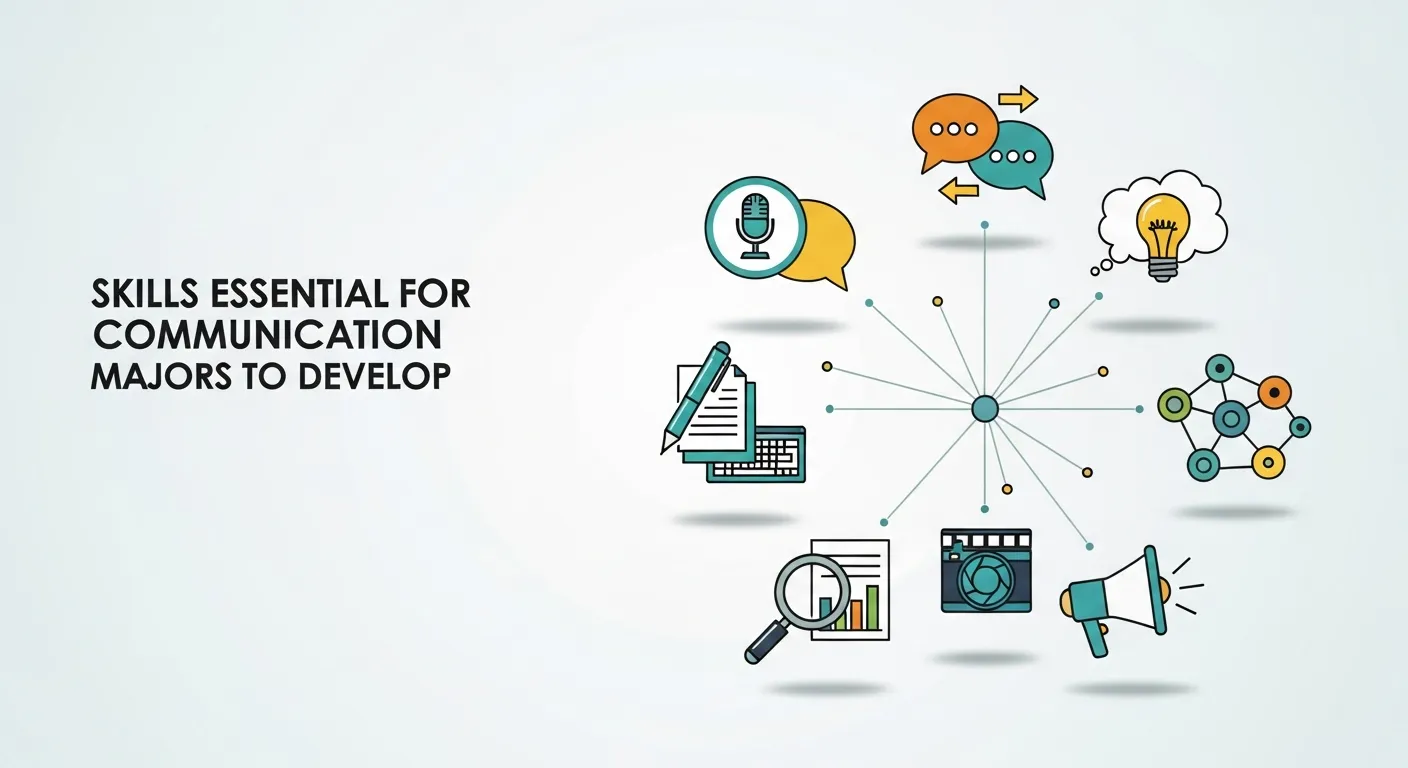
Employers need soft and hard skills in all communication graduates. Here we break down the key competencies to master before getting onto the job market:
-
Writing
Whether that writing is for crafting marketing copy or internal employee newsletters, clear and engaging text from communication professionals is a must. -
Social Media Savvy
Social platforms are no longer just for personal use. If you understand deep across the board analytics, can derive strategy from data, and have compelling content, you’re killed. -
Public Speaking and Presenting
True, presentation skills are crucial in this era. No matter if you are meeting with people live on video, delivering webinars to audiences around the world, or even just representing a company at events-there’s no respite from dusting off those polished speaking abilities. -
Digital Communications Tools
In this day and age, fluency with increasingly-essential tools such as Adobe Creative Suite, Canva, Hootsuite or Google Analytics – is demanded by employers across the industry. -
Critical Thinking
It’s not enough only to deliver messages. You need communication tools–the right time, tone and medium to use with different people. Being able to read any situation and come up lucidly on how to communicate in context is critical.
Career Preparation
Breaking into the job market usually isn’t as scary as it might seem. If you have the right attitude and with a little preparation, then finding your dream job isn’t impossible in today’s challenging economy.
-
Build your portfolio
The ideal way to do it is compile your works to showcase your skills. This can be just writing, a PR plan or marketing campaign, or even multimedia content. If you lack professional experience, make personal projects that show your abilities. -
Use internships and freelance work
Internship and freelance work are two great ways to get hands-on experience while building up a professional network of contacts in the industry you’re dying to enter. -
Adapt your resume and cover letter
You absolutely must tailor all job applications for specific roles so as not to be seen through. Employers can smell those generic cover letters from a mile away. -
Networking is one of the must-dos
Go to nights out, join LinkedIn groups with others in the communications industry and try to arrange interviews for information while you are in contact with industry veterans. You never know where relationships will take you. -
Keep up with the times
Trends in marketing and communications come and go like a gushing stream. Mastering the latest use of social media platforms, which means you’re more marketable to companies searching for fresh faces.
Finding a Career Path with a Degree in Communication
Graduating with a degree in communication often brings mixed emotions—excitement, uncertainty, and restlessness. Standing at the edge of the professional world can feel overwhelming, especially when the number of possible career paths seems endless. While a communications degree equips you with valuable skills, the real challenge lies in understanding how those skills fit into today’s evolving job market.
The good news? Communication graduates are in demand across industries. Organizations live or die by how effectively they communicate—with customers, employees, stakeholders, and the public. As a result, professionals who can craft messages, manage narratives, and connect audiences are highly valued.
Why Communication Majors Are in Demand
The appeal of communication graduates can be summarized in three key strengths:
Versatility
Communication programs develop transferable skills such as writing, public speaking, media literacy, and strategic thinking. These abilities apply across industries including public relations, media, healthcare, education, technology, and nonprofit work.
Growing Demand for Digital Communicators
As businesses increasingly rely on digital platforms, there is a rising need for professionals who can engage audiences through social media, websites, video, podcasts, and online communities.
Strong Interpersonal Skills
Employers value professionals who can negotiate, mediate, problem-solve, and prevent conflicts. Communication graduates often thrive in leadership-facing and client-facing roles where emotional intelligence and clarity are critical.
Top Career Fields for Communication Graduates
Public Relations and Marketing
This is a natural fit for communication majors. Crafting persuasive messages and building relationships are central to both disciplines.
Common Roles:
Public Relations Specialist, Content Marketer, Brand Manager, Social Media Strategist
Why It’s Exciting:
Brands increasingly rely on storytelling and authenticity to build trust, making skilled communicators essential.
Media and Journalism
For those passionate about storytelling, media remains a strong option—especially in digital formats.
Roles to Consider:
Multimedia Journalist, Digital Video Producer, Podcast Producer, Content Editor
Emerging Trend:
Podcasting, interactive media, and short-form video are reshaping how stories are told and consumed.
Corporate Communications
Large organizations depend on clear internal and external communication to maintain alignment and trust.
Roles to Consider:
Corporate Communications Specialist, Internal Communications Manager, Change Management Consultant
Why It Matters:
Clear messaging improves employee engagement and strengthens public reputation.
Human Resources
Communication professionals play a growing role in recruitment, employee engagement, and crisis management.
Roles to Consider:
Talent Acquisition Specialist, Employee Engagement Coordinator, HR Communications Consultant
Why It’s Essential:
Strong communication fosters trust, culture, and retention within organizations.
Essential Skills for Communication Majors
To stand out in the job market, communication graduates should continue developing both soft and technical skills:
-
Writing: Clear, engaging writing is essential for marketing copy, internal communication, and storytelling.
-
Social Media Strategy: Understanding analytics, audience behavior, and platform-specific content is crucial.
-
Public Speaking and Presentation: From virtual meetings to conferences, confident speaking remains vital.
-
Digital Tools: Familiarity with tools like Canva, Adobe Creative Suite, Hootsuite, and Google Analytics is a major advantage.
-
Critical Thinking: Knowing the right message, tone, and channel for different audiences is a defining skill.
Preparing for the Job Market

Breaking into your career doesn’t have to be intimidating with the right preparation.
Build a Portfolio
Showcase writing samples, campaigns, presentations, or multimedia projects. If you lack professional experience, create personal or mock projects.
Use Internships and Freelance Work
These provide hands-on experience, industry exposure, and valuable networking opportunities.
Customize Your Resume and Cover Letter
Tailor each application to the role. Generic applications are easy for employers to spot—and ignore.
Network Intentionally
Attend industry events, engage on LinkedIn, join professional groups, and request informational interviews. Many opportunities come through relationships.
Stay Current
Marketing and communication trends evolve rapidly. Staying updated on platforms, tools, and formats makes you far more competitive.
Start Your Career with Confidence
A communication degree opens doors across industries—from marketing and media to corporate strategy and technology. Success comes from combining your academic foundation with practical skills, adaptability, and continuous learning.
You may not see the full path yet, but opportunities often appear once you start moving. Stay curious, stay flexible, and don’t hesitate to seek guidance or build connections. With preparation and persistence, the right door will open—and often more than one.
If you ever feel stuck, unsure, or in need of direction, remember: asking for help is also a communication skill—and a powerful one.
Get Started on Your Career Now!
As dynamic and good as that may seem, it’s downright bullish right now. If you’re creative, there are a wealth of marketing opportunities out there; journalism offers storytelling and corporate communication demands strategy.
Convergence is key to really setting your potential in motion. By combining your formal education with in-demand skills and keeping your intellectual oars in the water, you’ll give yourself the best possible opportunity of landing a job that you love.
It may be that far from you are more than one door just waiting to open. A little flexibility and instant readiness to bring new things onto the program will change the way we adapt that quickly thereafter & under such circumstances.
And of course if you’re feeling a bit lost or need help with your marketing, be it oneself before an interview which doesn’t exist or simply finding contacts in the industry to network with… don’t hesitate!
Conclusion
A degree in communication offers far more than a single career path—it provides access to a wide range of industries, including marketing, media, corporate communications, technology, and emerging sectors such as NFTs project and Web3. In a world driven by digital interaction and constant information exchange, the ability to communicate clearly, persuasively, and strategically has become a critical professional advantage.
By strengthening core skills such as writing, storytelling, public speaking, and audience analysis—while also embracing digital tools and data-driven platforms—communication graduates position themselves for long-term success. Employers increasingly seek professionals who can adapt to change, translate complex ideas, and build meaningful connections.
Ultimately, communication is not just a supportive function; it is a driving force behind innovation, trust, and growth. For graduates willing to evolve and learn continuously, the future holds limitless opportunities.
Frequently Asked Questions (FAQs)
1. What can I do with a communication degree?
A communication degree opens doors to careers in marketing, public relations, media, corporate communications, human resources, digital strategy, content creation, and emerging fields like NFT and Web3 marketing. The versatility of communication skills allows graduates to work across industries and roles.
2. Are communication majors in demand?
Yes. Communication majors remain highly востребованы because organizations need professionals who can manage messaging, build relationships, and engage audiences across digital and traditional platforms. Demand continues to grow with the expansion of online media and global businesses.
3. Is communication a good career choice in 2026?
Absolutely. In 2026, communication is more relevant than ever due to remote work, digital transformation, and AI-driven content. Professionals who can combine human creativity with strategic communication are especially valuable.
4. Can communication graduates work in tech?
Yes. Tech companies rely on communication graduates for roles such as UX writing, product marketing, technical documentation, community management, and brand storytelling. These roles help make complex technologies understandable and user-friendly.
5. How important is digital marketing knowledge for communication majors?
Digital marketing knowledge is essential. Skills in social media strategy, SEO, content marketing, email campaigns, and analytics significantly increase employability and help communication graduates stay competitive in the job market.
6. Do communication roles pay well?
Salaries vary by industry and experience, but many communication roles offer strong earning potential—especially in corporate communications, digital marketing, tech, and strategic consulting. Specialized skills often lead to higher pay.
7. Can communication majors work remotely?
Yes. Many communication roles—including content writing, social media management, PR coordination, and digital marketing—are well-suited for remote or hybrid work environments, offering flexibility and global opportunities.
8. Is public relations a stressful career?
Public relations can be fast-paced and high-pressure, particularly during crises. However, it is also rewarding for individuals who enjoy strategic thinking, relationship building, and managing brand reputation.
9. How does communication help in leadership roles?
Strong communication skills are essential for leadership. They help leaders motivate teams, resolve conflicts, manage change, and build trust. Many executives come from communication-focused backgrounds.
10. Can communication majors work in NFT marketing?
Yes. NFT projects rely heavily on storytelling, community engagement, social media communication, and brand positioning—making communication graduates ideal candidates for NFT and Web3 marketing roles.
11. What tools should communication graduates learn?
Graduates should learn tools such as Canva, Adobe Creative Suite, Google Analytics, Hootsuite, HubSpot, Notion, and basic SEO tools. Familiarity with AI-driven content tools is also increasingly valuable.
12. How can I stand out as a communication graduate?
To stand out, build a strong portfolio, gain hands-on experience through internships or freelance work, stay updated with industry trends, develop digital skills, and actively network within your field.