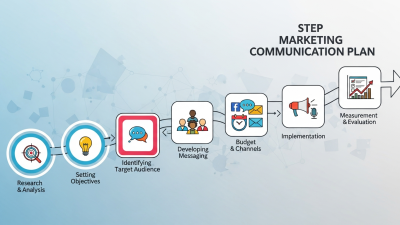


Marketing communications master’s programs prepare students for leadership in brand strategy, digital marketing, analytics, and integrated campaigns. Graduates gain skills in storytelling, consumer behavior, analytics, and crisis management while exploring specializations in global communications, digital strategy, or PR. Programs combine theoretical knowledge with practical experience, internships, and networking opportunities, preparing students for diverse careers across agencies, corporations, and entrepreneurial ventures.
The field of marketing communications has evolved dramatically over the past decade. Digital transformation, data analytics, and integrated campaign strategies now dominate the landscape, creating exciting opportunities for professionals who understand how to connect brands with their audiences across multiple touchpoints.
If you’re considering advancing your career in this dynamic field, a master’s degree in marketing communications could be the strategic move that sets you apart. These specialized programs combine traditional marketing principles with cutting-edge communication strategies, preparing graduates for leadership roles in agencies, corporations, and entrepreneurial ventures.
What is a Marketing Communications Master’s Program?

Marketing communications master’s programs focus on the strategic intersection of marketing and communication disciplines. Unlike broader MBA programs, these specialized degrees dive deep into brand messaging, consumer psychology, digital marketing, and integrated communication strategies.
Students learn to develop comprehensive campaigns that span traditional advertising, digital media, public relations, and direct marketing. The curriculum typically emphasizes both creative and analytical skills, ensuring graduates can craft compelling messages while measuring their effectiveness through data-driven insights.
These programs prepare students for the modern marketing landscape, where successful campaigns require seamless coordination across multiple channels and platforms. Graduates emerge with expertise in storytelling, consumer behavior analysis, media planning, and campaign optimization.
Core Curriculum Components
Strategic Communication Planning
Most programs begin with foundational courses in strategic communication planning. Students learn to conduct market research, identify target audiences, and develop positioning strategies that differentiate brands in competitive markets. These courses often include hands-on projects where students create comprehensive communication plans for real or simulated business challenges.
Digital Marketing and Analytics

Given the digital-first nature of modern marketing, extensive coursework covers social media marketing, search engine optimization, content marketing, and programmatic advertising. Students gain proficiency in analytics platforms and learn to interpret data to optimize campaign performance and demonstrate return on investment.
Consumer Behavior and Psychology
Understanding what motivates consumer decisions is crucial for effective marketing communications. Courses in this area explore psychological principles, decision-making processes, and cultural factors that influence purchasing behavior. Students learn to apply these insights when crafting messages and selecting communication channels.
Brand Management and Identity
Strong programs include comprehensive coverage of brand development, management, and protection. Students explore how to build brand equity, manage brand crises, and maintain consistent messaging across all touchpoints. Case studies of successful and failed brand campaigns provide real-world learning opportunities.
Integrated Marketing Communications
Perhaps the most distinctive element of these programs is their focus on integration. Students learn to coordinate messaging across advertising, public relations, direct marketing, sales promotion, and digital channels. This holistic approach reflects current industry practices where fragmented campaigns often fail to achieve their objectives.
Specialization Options
Digital Strategy and Innovation
Some programs offer specializations in digital strategy, focusing on emerging technologies like artificial intelligence, virtual reality, and influencer marketing. Students explore how new platforms and tools can enhance communication effectiveness and create innovative consumer experiences.
Global Marketing Communications
For students interested in international careers, global specializations cover cross-cultural communication, international market entry strategies, and managing campaigns across different regulatory environments. These tracks often include study abroad components or international consulting projects.
Data Analytics and Marketing Intelligence

Analytics-focused specializations prepare students to become the data scientists of marketing communications. Coursework includes statistical analysis, predictive modeling, and advanced analytics tools. Graduates from these tracks are well-positioned for roles in marketing analytics and customer insights.
Public Relations and Crisis Communication
Some programs offer concentrated study in public relations, media relations, and crisis communication. Students learn to manage corporate reputation, handle media interactions, and develop communication strategies during challenging situations.
Career Opportunities and Outcomes
Marketing communications master’s graduates pursue diverse career paths across industries and organization types. The specialized skills they develop are increasingly valuable as companies recognize the importance of sophisticated communication strategies.
Agency Roles
Advertising agencies, digital marketing firms, and public relations agencies actively recruit graduates from these programs. Common positions include account management, strategic planning, creative strategy, and media planning roles. The integrated approach of these programs makes graduates particularly valuable to agencies offering full-service capabilities.
Corporate Marketing Positions
Large corporations seek marketing communications specialists for brand management, digital marketing, corporate communications, and customer experience roles. These positions often involve managing relationships with external agencies while developing internal communication strategies.
Consulting and Freelancing
The comprehensive skill set developed in these programs enables graduates to work as independent consultants or freelancers. Many professionals build successful practices helping small and medium-sized businesses develop their marketing communication strategies.
Entrepreneurial Ventures
Some graduates launch their own agencies or marketing technology companies. The combination of strategic thinking, creative skills, and business knowledge acquired in these programs provides a strong foundation for entrepreneurial success.
Admission Requirements and Application Process
Academic Prerequisites
Most marketing communications master’s programs accept students from diverse undergraduate backgrounds. While marketing or communications degrees provide helpful preparation, programs often welcome applicants with backgrounds in psychology, journalism, business, or liberal arts disciplines.
Professional Experience
Many programs prefer applicants with some professional experience, though requirements vary significantly. Some programs are designed for recent graduates, while executive formats target working professionals with several years of industry experience.
Application Materials
Typical application requirements include undergraduate transcripts, GMAT or GRE scores, letters of recommendation, and a personal statement. Many programs also require a portfolio demonstrating creative or analytical work, particularly for applicants without extensive professional experience.
Portfolio Development
For applicants without professional portfolios, academic projects, internship work, or personal creative projects can demonstrate potential. Strong portfolios often include diverse examples showing both strategic thinking and creative execution capabilities.
Choosing the Right Program
Program Format and Schedule
Marketing communications master’s programs are available in full-time, part-time, and executive formats. Full-time programs typically require 18-24 months and offer the most comprehensive experience, including internships and extensive networking opportunities.
Part-time and executive programs cater to working professionals, often scheduling classes in evenings or weekends. These formats may take longer to complete but allow students to apply learning immediately in their current roles.
Faculty and Industry Connections
Strong programs feature faculty with both academic credentials and industry experience. Look for programs where professors maintain active consulting practices or have recent professional experience in marketing communications.
Industry connections through advisory boards, guest speakers, and internship partnerships indicate programs that stay current with professional practices and trends.
Technology and Resources
Marketing communications relies heavily on technology platforms and tools. Evaluate programs based on their access to industry-standard software, analytics platforms, and creative tools. Modern programs often provide students with subscriptions to professional platforms they’ll use in their careers.
Location and Alumni Network
Geographic location can significantly impact internship opportunities, networking events, and job prospects. Programs in major metropolitan areas typically offer more industry connections and career opportunities, though strong programs in smaller markets may provide more personalized attention and lower competition for opportunities.
Building Your Marketing Communications Future
Marketing communications master’s programs offer a pathway to leadership roles in one of business’s most dynamic and creative fields. The combination of strategic thinking, creative problem-solving, and analytical skills developed in these programs positions graduates for success across diverse industries and career paths.
As you evaluate program options, consider your career goals, preferred learning format, and geographic preferences. The right program will not only provide technical skills and knowledge but also help you build the professional network that will support your career growth for years to come.
The marketing communications field continues to evolve rapidly, driven by technological innovation and changing consumer behaviors. A specialized master’s degree provides the foundation and flexibility to adapt to these changes while building a rewarding career at the intersection of creativity and strategy.
Conclusion
A marketing communications master’s degree equips students with strategic, creative, and analytical skills for leadership roles. Graduates are prepared to manage integrated campaigns, leverage digital tools, and build strong brands across global markets. The combination of practical experience, specialization options, and professional networks ensures long-term career growth and adaptability in a rapidly evolving marketing communications landscape.
Frequently Asked Questions (FAQ)
1. What is a marketing communications master’s program?
A marketing communications master’s program is an advanced graduate degree designed to equip students with expertise in strategic brand messaging, digital marketing, analytics, and integrated campaigns. It focuses on combining creative storytelling with data-driven decision-making to manage campaigns effectively across multiple platforms. Graduates are trained to develop comprehensive communication strategies that align with business objectives, adapt to evolving technologies, and deliver measurable results for brands in competitive markets.
2. Who should pursue this degree?
This degree is ideal for professionals seeking leadership roles in agencies, corporate marketing departments, consulting firms, or entrepreneurial ventures. It is also suitable for individuals looking to transition into marketing communications from related fields such as business, journalism, or public relations. The program prepares students to manage integrated campaigns, lead creative teams, and implement data-driven marketing strategies across diverse industries.
3. How long does it take to complete?
Full-time marketing communications master’s programs typically require 18–24 months to complete, depending on the curriculum and institution. Part-time and executive formats are designed for working professionals and may take longer, often 2–3 years, with flexible schedules such as evening or weekend classes. Completion timelines can vary based on project work, internships, and specialization tracks, allowing students to balance learning with professional commitments.
4. Do I need a marketing background?
No prior marketing education is required to apply. These programs accept students from diverse undergraduate backgrounds, including business, liberal arts, communications, psychology, journalism, and other related fields. Applicants without formal marketing experience can benefit from foundational courses provided in the program, gaining a comprehensive understanding of marketing communications principles, campaign management, digital tools, and analytical techniques.
5. Are internships included?
Many programs integrate internships, practicums, or consulting projects to provide practical, hands-on experience. Internships allow students to apply classroom knowledge to real-world scenarios, network with industry professionals, and develop portfolios showcasing their skills. Programs often partner with agencies, corporations, or startups to offer placement opportunities, ensuring students gain exposure to strategic planning, digital campaigns, content creation, and client communications before graduation.
6. Can I specialize?
Yes, students often have the option to specialize in areas such as digital strategy, global marketing communications, marketing analytics, or public relations and crisis communication. Specializations allow students to focus on emerging technologies, international market trends, data-driven decision-making, or media relations. Choosing a specialization enhances career prospects by providing targeted expertise aligned with industry demands and individual professional goals.
7. What careers are available after graduation?
Graduates can pursue diverse career paths across agencies, corporate departments, consulting, freelancing, or entrepreneurial ventures. Common roles include account management, digital marketing strategist, brand manager, media planner, communications consultant, or public relations specialist. Graduates also have the skills to launch their own marketing or consulting businesses. The program equips students to take leadership roles where strategic thinking, creativity, and data-driven decision-making are critical.
8. Is digital marketing a major focus?
Yes, modern marketing communications programs emphasize digital marketing as a central component. Students learn social media strategy, content marketing, search engine optimization, paid advertising, analytics, and emerging digital technologies such as AI-driven marketing tools. The program ensures graduates can create, manage, and evaluate digital campaigns, understand online consumer behavior, and measure performance effectively to optimize ROI.
9. How competitive is admission?
Admission competitiveness varies by institution. Strong academic records, relevant professional experience, and well-prepared portfolios increase the likelihood of acceptance. Programs often evaluate applicants based on undergraduate performance, letters of recommendation, personal statements, and creative or analytical work samples. Some programs also consider standardized test scores such as GMAT or GRE, while others focus more heavily on professional accomplishments and practical potential.
10. Do programs include global opportunities?
Many programs offer international exposure through study abroad opportunities, global consulting projects, or curricula that emphasize cross-cultural marketing and global market strategies. These experiences prepare students to navigate diverse cultural contexts, develop international campaign strategies, and manage global brand messaging effectively. Graduates with global training are positioned for careers in multinational corporations, international agencies, or global consultancy roles.
11. What skills will I gain?
Students acquire a broad range of strategic, creative, and analytical skills, including storytelling, consumer behavior analysis, marketing analytics, integrated campaign planning, brand management, and crisis communication. They also develop leadership abilities, project management expertise, digital marketing proficiency, and experience in managing cross-channel campaigns. These skills enable graduates to design innovative campaigns, measure results accurately, and adapt to dynamic marketing landscapes.
12. Is this degree worth the investment?
Yes, graduates benefit from enhanced career opportunities, leadership skill development, industry connections, and practical experience. The combination of theoretical knowledge and hands-on learning equips professionals to take on high-impact roles in agencies, corporations, or entrepreneurial ventures. Graduates gain a competitive edge, the ability to manage complex marketing campaigns, and long-term career growth potential in an evolving communications landscape.