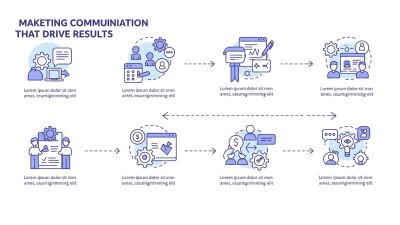

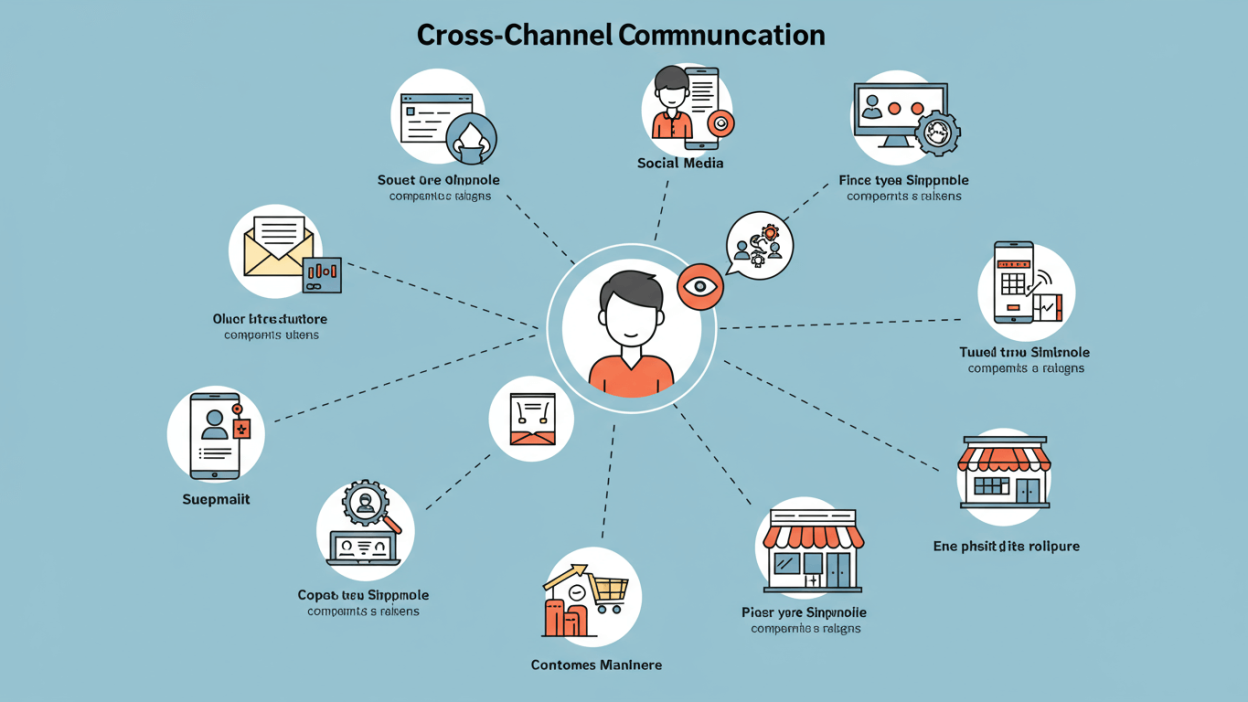
Cross-channel communication connects all customer touchpoints to create a seamless and integrated experience. Unlike multi-channel approaches, it links platforms, enabling continuity across interactions. Benefits include improved customer satisfaction, higher retention, deeper insights, and increased revenue. A strategy involves mapping journeys, choosing channels, integrating technology, personalizing, training teams, and continuous optimization.
Ever felt like you’re having the same conversation over and over with a company, just on different platforms? You start with a chatbot, move to email, and then end up on the phone, explaining your issue from the beginning each time. It’s a frustrating experience, and it’s the exact opposite of effective cross-channel communication.
So, what does it mean to get it right? Cross-channel communication is a strategy that provides a seamless and integrated customer experience across all the touchpoints where a brand and its customers interact. This could include a website, social media, email, mobile app, or even in a physical store. The goal is to create one continuous conversation that can pick up on any channel exactly where it left off on another.
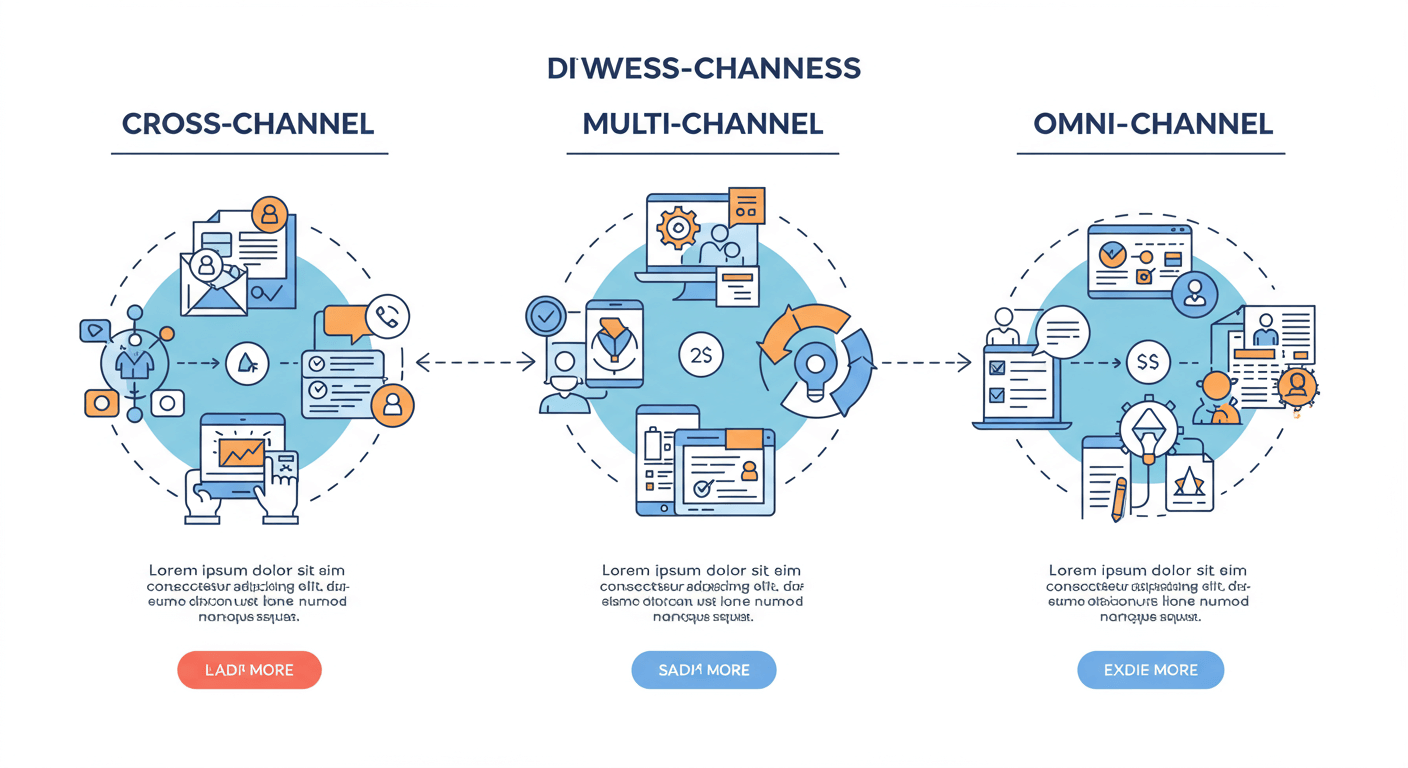
Cross-Channel vs. Multi-Channel vs. Omni-Channel
Multi-Channel Communication
Multi-channel communication represents the most basic level of engaging customers across different platforms. In this approach, a business maintains a presence on multiple channels—such as social media, email, a website, and physical stores—but these channels operate independently. There’s no integration or sharing of customer data between them.
For instance, a customer who reaches out via Facebook may have their inquiry handled by the social media team, but the email support team or in-store staff would have no knowledge of that interaction. Similarly, purchases or browsing history from the website wouldn’t influence communications on other platforms.
The primary focus of multi-channel communication is availability rather than a cohesive experience. While it ensures that customers can reach the brand through their preferred channels, it does not provide a unified or seamless journey, leaving gaps in customer engagement and potential frustration when interactions span multiple touchpoints.
Cross-Channel Communication
Cross-channel communication takes it a step further. Here, the different channels are linked and share data. This allows for a more connected customer journey. A customer might browse a product on a mobile app, add it to their cart on a desktop website, and then receive a reminder email about the abandoned cart. The channels work together to guide the customer through the purchasing process. The company is actively managing the customer’s journey across different touchpoints.
Omni-Channel Communication
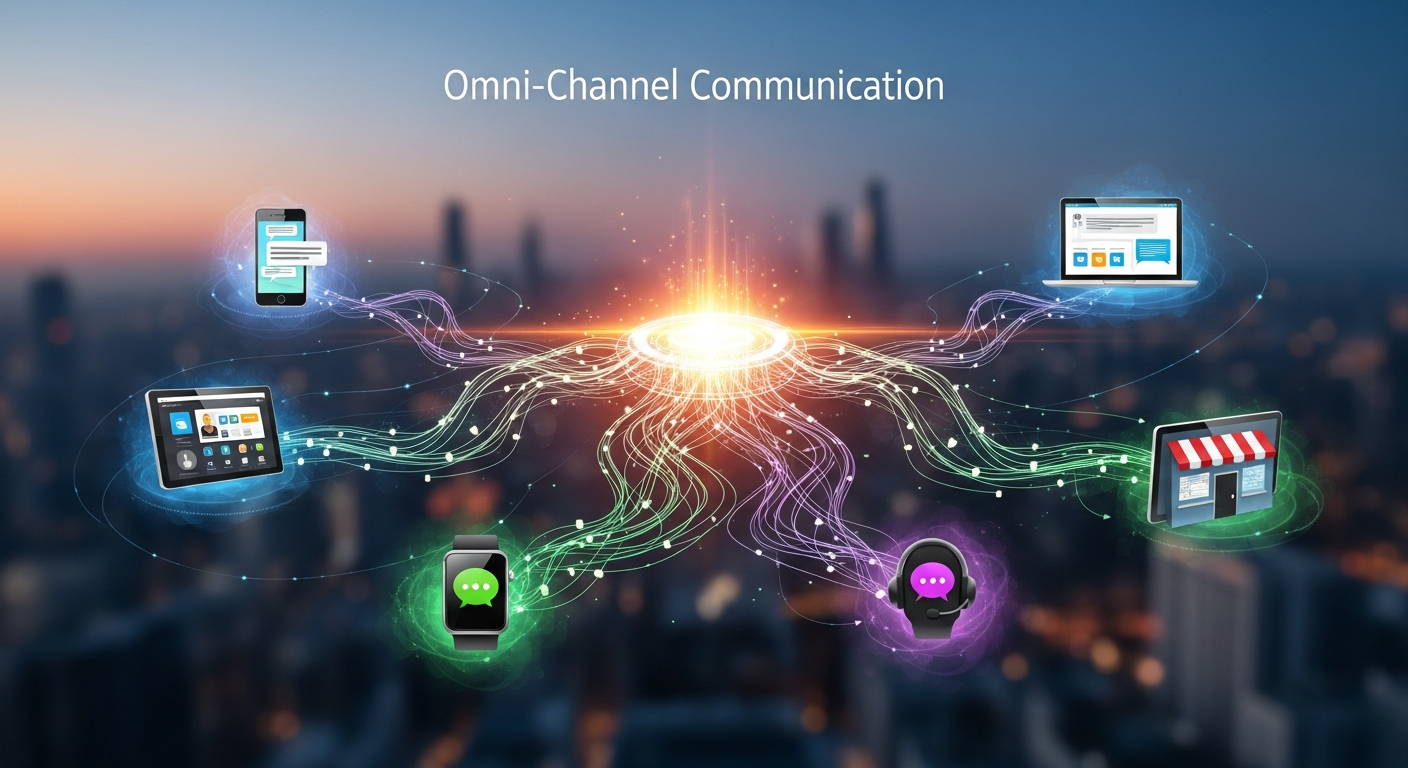
Omni-channel communication represents the pinnacle of customer-centric engagement. Unlike multi-channel or cross-channel approaches, omni-channel creates a fully integrated experience where the boundaries between channels vanish. Every interaction—whether online, via mobile app, social media, email, or in-store—is synchronized and updated in real time. This provides a single, unified view of each customer across the organization.
For example, a retail associate can instantly access a customer’s online wishlist, previous purchases, and interaction history to offer tailored recommendations in-store. Similarly, a customer can start browsing products on a mobile app, continue on a desktop website, and finalize a purchase in a physical store without any disruption or repeated input.
The core focus of omni-channel communication is the customer’s experience. It ensures consistency, personalization, and convenience across all touchpoints. By removing friction and creating a seamless journey, omni-channel strategies enhance satisfaction, build loyalty, and strengthen the brand’s relationship with its customers, ultimately driving long-term growth and engagement.
Why is Cross-Channel Communication So Important?
Adopting a cross-channel strategy isn’t just about making things smoother for customers; it provides tangible benefits for your business. By connecting all touchpoints, companies create a cohesive and consistent experience that enhances customer satisfaction and loyalty. It reduces friction, prevents repetitive interactions, and builds trust, showing customers that their time and preferences are valued.
Beyond improving the user experience, cross-channel communication drives measurable business outcomes. Integrated channels allow for better data collection and analysis, offering deeper insights into customer behavior, preferences, and purchase patterns. This intelligence can be used to personalize marketing efforts, optimize service, and identify opportunities for upselling or cross-selling.
Moreover, a seamless cross-channel approach increases customer retention. Satisfied customers are more likely to return, reducing churn and lowering the cost of acquiring new clients. It also boosts sales by guiding customers smoothly along their buying journey—from discovery to purchase—without confusion or disruption.
Finally, businesses that excel in cross-channel communication gain a competitive edge. In an era where customers expect instant, consistent, and personalized interactions, companies that can deliver this experience stand out. By adopting this strategy, businesses not only meet customer expectations but also strengthen their brand reputation and drive sustainable growth.
1. Enhanced Customer Experience
This is the most significant advantage. When customers don’t have to repeat themselves and can switch between channels without friction, their overall experience improves dramatically. A positive experience builds satisfaction and loyalty. Research from McKinsey shows that companies excelling in customer journeys can see a 10-20% increase in customer satisfaction.
2. Increased Customer Retention
Happy customers are loyal customers. By providing a consistent and convenient experience, you give them a compelling reason to stick with your brand. A seamless journey shows that you value their time and understand their needs. This leads to higher retention rates, which is crucial for long-term growth, as acquiring a new customer can be five times more expensive than retaining an existing one.
3. Deeper Customer Insights
When your channels are integrated, you can collect and analyze data from every touchpoint. This creates a comprehensive profile of each customer, including their preferences, behaviors, and purchase history. These insights are invaluable for personalizing marketing efforts, improving product offerings, and making data-driven business decisions. You can understand the entire customer journey, not just isolated interactions.
4. Boosted Sales and Revenue
A smoother journey removes friction and makes it easier for customers to make a purchase. For instance, a customer might see an ad on Instagram, read reviews on your blog, and then buy the product through your mobile app. By connecting these channels, you guide them along the path to purchase. This leads to higher conversion rates and, ultimately, increased revenue.
How to Build a Cross-Channel Communication Strategy
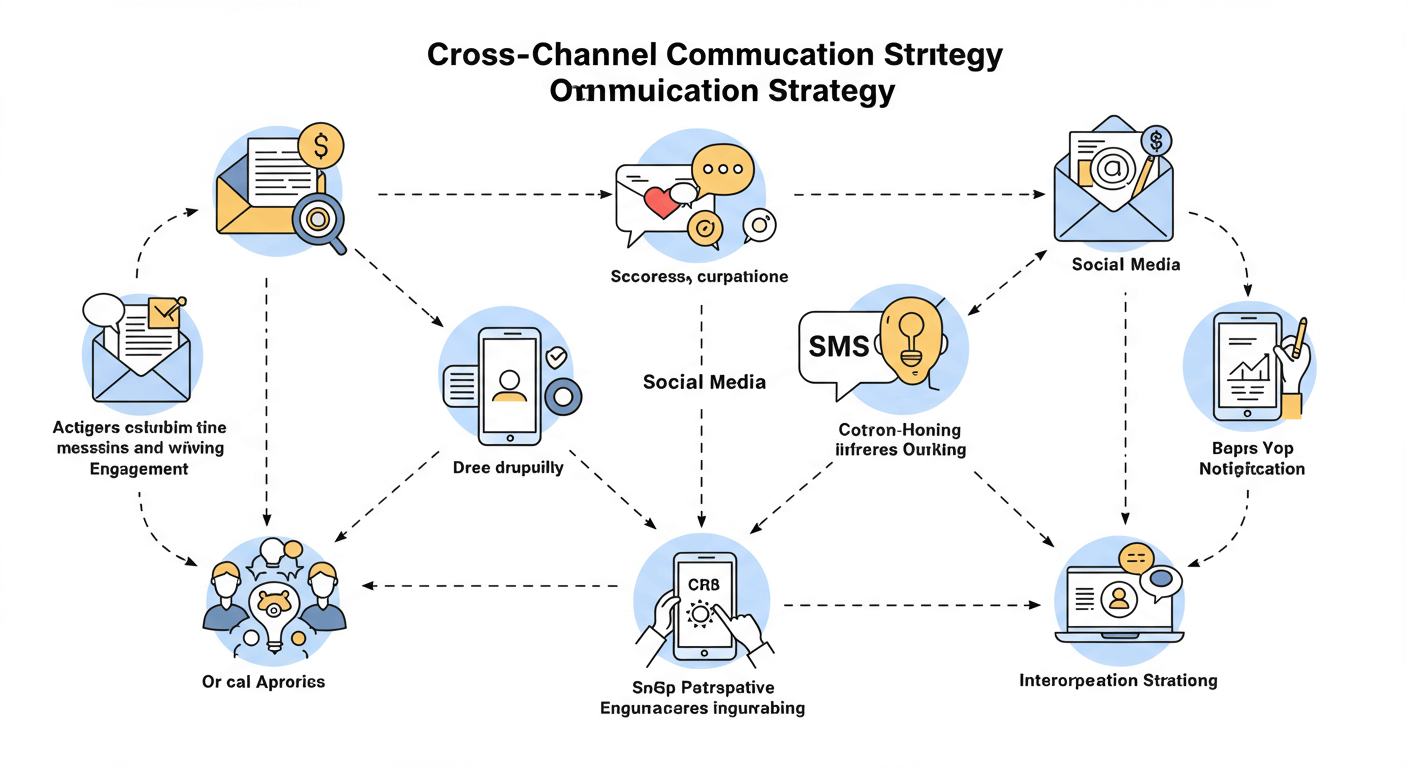
Ready to create a more unified experience for your customers? Here are the key steps to building an effective cross-channel communication strategy.
Step 1: Map Your Customer Journey
Start by understanding how your customers currently interact with your brand. Identify all the touchpoints they use, from initial awareness to post-purchase support. Create a customer journey map to visualize the different paths they might take. This will help you identify points of friction and opportunities for improvement. Talk to your customers, use analytics tools, and get feedback from your support teams to make this map as accurate as possible.
Step 2: Choose the Right Channels
You don’t need to be on every channel, but you do need to be on the channels your customers use most. Use your customer data and market research to determine where your audience spends their time. Focus on integrating the channels that are most critical to your customer journey. This might include your website, email, social media platforms, SMS, and your mobile app.
Step 3: Integrate Your Technology
A successful cross-channel strategy relies on integrated technology. Your systems need to be able to share data in real-time. This is where a Customer Relationship Management (CRM) platform becomes essential. A good CRM can act as a central hub for all customer data, providing a single source of truth for your sales, marketing, and support teams. Other tools, like a Customer Data Platform (CDP), can also help unify customer data from various sources.
Step 4: Create Consistent Messaging and Branding
Your brand’s voice, tone, and visual identity should be consistent across all channels. A customer should have the same brand experience whether they’re on your website, reading an email, or interacting with a social media post. This consistency builds trust and reinforces your brand identity. Develop clear brand guidelines and ensure all teams follow them.
Step 5: Personalize the Experience
Use the data you’ve collected to personalize interactions. Address customers by name, recommend products based on their browsing history, and send them relevant offers. Personalization shows that you understand your customers as individuals. For example, if a customer has been looking at running shoes on your website, you can send them an email with your latest running shoe collection.
Step 6: Train Your Teams
Your employees are at the heart of your cross-channel strategy. Ensure that your marketing, sales, and customer service teams understand the importance of a unified experience. Provide them with the training and tools they need to access and use customer data effectively. Encourage collaboration between departments to break down silos and ensure everyone is working towards the same goal.
Step 7: Measure and Optimize
A cross-channel strategy is not a “set it and forget it” initiative. Continuously monitor your performance and look for ways to improve. Track key metrics like customer satisfaction (CSAT), net promoter score (NPS), customer lifetime value (CLV), and channel-specific engagement rates. Use this data to identify what’s working and what’s not, and make adjustments to your strategy accordingly.
The Future is Connected
Creating a seamless experience is no longer a luxury—it’s an expectation. A well-executed cross-channel communication strategy can set your brand apart, fostering deeper customer relationships and driving sustainable growth. By understanding your customers, integrating your technology, and aligning your teams, you can build a unified journey that turns one-time buyers into lifelong advocates. The effort you invest in connecting your channels will pay dividends in customer loyalty and business success.
FAQ – Cross-Channel Communication
Q1: What is cross-channel communication?
A1: It’s a strategy that links multiple customer touchpoints to provide a seamless, continuous experience across platforms like email, social media, websites, apps, and in-store interactions.
Q2: How is cross-channel different from multi-channel?
A2: Multi-channel uses several platforms independently, while cross-channel integrates them, sharing data to create a connected customer journey.
Q3: How does cross-channel communication benefit businesses?
A3: It enhances customer experience, increases retention, provides deeper insights, and boosts sales and revenue.
Q4: What is the difference between cross-channel and omni-channel?
A4: Omni-channel is the most advanced approach, offering a fully unified experience where channels are connected in real time and customer data is instantly accessible across the organization.
Q5: How can I implement a cross-channel strategy?
A5: Steps include mapping the customer journey, selecting key channels, integrating technology like CRM/CDP, ensuring consistent messaging, personalizing experiences, training teams, and continuously measuring and optimizing performance.
Q6: What metrics should I track for cross-channel communication?
A6: Monitor customer satisfaction (CSAT), net promoter score (NPS), customer lifetime value (CLV), channel engagement rates, and conversion metrics to evaluate performance and improve strategies.