
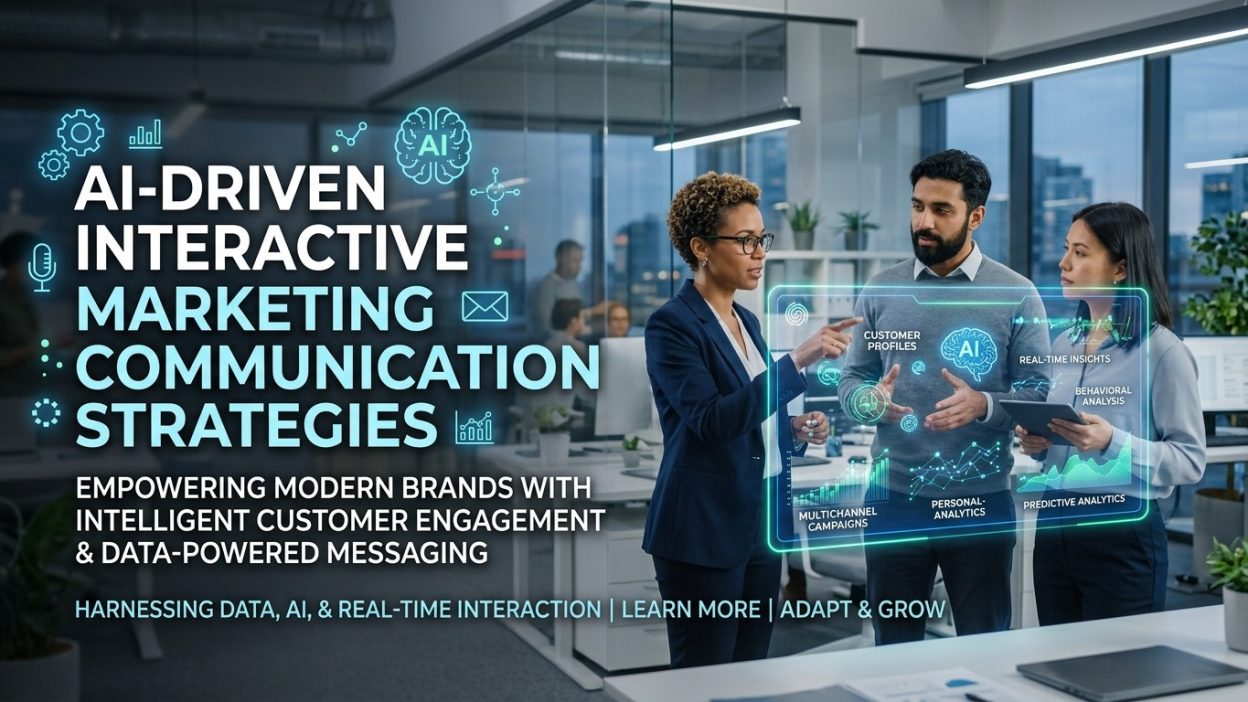
In today’s digital landscape, brands are striving to connect with audiences in more meaningful and personalized ways. Traditional one-way broadcast messages no longer suffice to capture attention, engage prospects, or drive conversions. Instead, organizations are turning toward AI-driven interactive marketing communication to foster two-way conversations and deliver tailored experiences at scale. By leveraging advanced algorithms, natural language processing, and predictive analytics, this approach empowers marketers to analyze user behaviors in real time, anticipate customer needs, and serve content that resonates on an individual level.
Currently, the competitive environment demands that businesses stand out through hyper-personalized outreach. AI-driven interactive marketing communication enables dynamic interactions across email, social media, websites, and voice interfaces, helping companies maintain consistent messaging while adapting to each user’s unique preferences. Today, as technology evolves at an unprecedented pace, marketers who embrace these strategies will enjoy greater customer loyalty, higher engagement metrics, and improved conversion rates.
This year (2026), understanding and adopting AI-driven interactive marketing communication has become a core priority for forward-thinking brands. From initial data collection to real-time response optimization, each step of the process requires careful planning and the right combination of tools. In this article, we explore the fundamental concepts, benefits, essential components, implementation steps, and best practices that will guide you toward building a robust AI-driven interactive marketing communication strategy that delivers lasting results.
Understanding AI-Driven Interactive Marketing Communication
AI-driven interactive marketing communication transforms traditional, static messaging into dynamic, personalized dialogues. At its core, this model combines machine learning, natural language processing (NLP), and predictive analytics to tailor content and interactions for each customer. Rather than sending generic emails or posting mass adverts, brands can analyze real-time data—ranging from browsing history and past purchases to social media engagement—to deliver the right message at the perfect moment.
Real-Time Data Processing
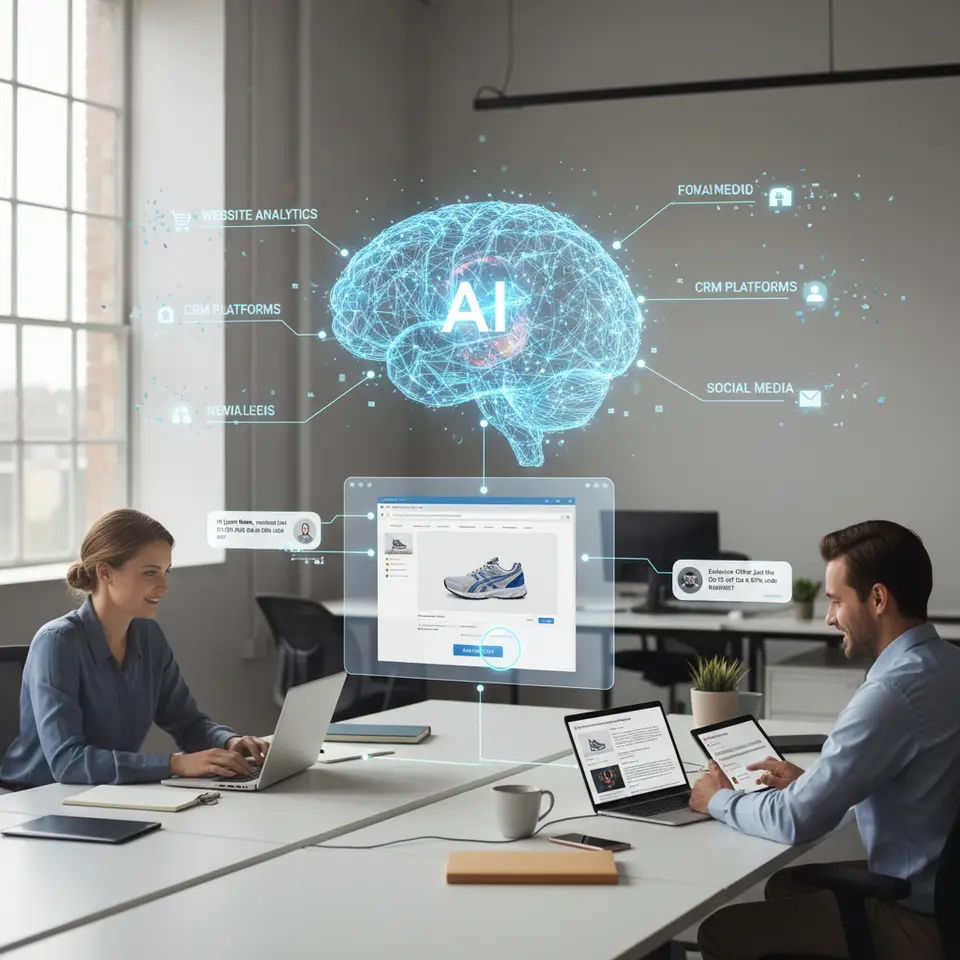
Today’s consumers demand immediacy. By tapping into data streams generated across CRM systems, web analytics, and social platforms, AI algorithms can process vast information sets instantly. For instance, a visitor who lingers on a product page might automatically trigger a chatbot interaction or an email with a special offer. This real-time responsiveness not only increases relevance but also boosts the likelihood of conversion.
Natural Language Interfaces
Conversational AI, powered by NLP, allows brands to engage users in human-like dialogues via chatbots and voice assistants. These interfaces can answer queries, recommend products, and even guide users through complex decision-making processes. By understanding intent and sentiment, AI-driven chat systems can adapt tone and language, making the interaction feel more genuine.
Predictive Personalization
Predictive analytics enable marketers to go beyond reactive messaging and anticipate future customer needs. By identifying behavioral patterns and segmenting audiences into micro-cohorts, AI models forecast which offers, content pieces, or communication channels will most effectively resonate with each user. This proactive approach can reduce churn, increase average order value, and foster deeper brand loyalty.
Overall, AI-driven interactive marketing communication offers a paradigm shift from one-size-fits-all campaigns to individualized, adaptive experiences. Brands that master these capabilities can expect stronger engagement, enhanced customer satisfaction, and a measurable uplift in key performance indicators.
Key Advantages of Interactive AI Marketing
AI-driven interactive marketing communication delivers multiple benefits over conventional tactics. By harnessing intelligent systems, brands can unlock new levels of personalization, efficiency, and insight. Below, we examine the top advantages that companies can leverage today.
1. Hyper-Personalization at Scale
One of the primary benefits is the ability to tailor content for each user. AI-powered engines segment audiences into highly specific cohorts based on demographics, behavior, and preferences. This segmentation enables marketers to craft customized subject lines, product recommendations, and landing pages, ensuring that each message aligns with individual interests. Rather than manually creating dozens of variations, automated systems dynamically adjust content, saving time and resources.
2. Continuous Real-Time Engagement
Interactive AI tools like chatbots and voice assistants facilitate two-way dialogues that feel immediate and authentic. Customers can ask questions, receive instant support, or explore personalized product suggestions at any hour. This availability reduces response times and improves satisfaction, while simultaneously freeing human agents to handle complex inquiries. According to a study by the National Institute of Standards and Technology (NIST) (https://www.nist.gov), timely responses can increase customer retention by up to 15%.
3. Data-Driven Decision Making
Through advanced analytics, marketers gain actionable insights into which content, channels, and offers perform best. AI systems track user interactions, conduct A/B tests, and measure conversion paths, feeding results back into the model to optimize future campaigns. Research from Brookings Institution (https://www.brookings.edu) highlights that organizations using data-driven marketing achieve a 23% increase in ROI on average.
4. Enhanced Scalability and Efficiency
Automation allows teams to maintain personalized communication with thousands or even millions of users simultaneously. AI workflows can trigger email sequences, social ads, or in-app messages based on specific behaviors, eliminating manual intervention. This scalability ensures consistent messaging across all audience segments, regardless of campaign complexity.
5. Increased Conversion and Loyalty
Interactive experiences build trust by making customers feel understood. Personalized recommendations and context-aware interactions drive higher click-through rates and conversions than static messaging. Over time, satisfied customers become repeat buyers and brand advocates, creating a sustainable growth cycle.
In summary, the advantages of AI-driven interactive marketing communication span personalization, efficiency, and strategic insights. Companies that embrace these capabilities will unlock richer customer relationships and improved business outcomes.
Connecting Channels Through Intelligent Communication
Another major advantage of AI-Driven Interactive Marketing is its ability to strengthen cross-channel consistency. Customers rarely interact with brands through only one touchpoint. They may see an ad on social media, open an email later, and then visit the website before making a final decision. A connected approach ensures that every step feels relevant and familiar. This is where Integrated Marketing Communications becomes essential. When AI supports message alignment across email, web, chat, and mobile, the customer journey becomes smoother and more persuasive.
For long-term success, brands should think beyond isolated campaigns and build a Marketing Business Communication Strategy that supports both personalization and consistency. AI can help deliver the right message, but strategy determines when, where, and why that message appears. By combining intelligent automation with clear brand positioning, businesses can create experiences that feel both scalable and human. In a competitive environment, that balance is what makes AI-Driven Interactive Marketing so powerful.
Essential Components for Implementation
Building a successful AI-driven interactive marketing communication framework requires several interrelated components. Each element contributes to real-time personalization, seamless interactions, and continuous performance optimization.
Data Collection and Integration
The foundation of any AI-powered strategy is robust data aggregation. Brands must centralize information from multiple sources—CRM platforms, website analytics, email marketing tools, and social media channels—into a unified data repository. This unified view of customer behavior enables more accurate modeling and segmentation.
Customer Segmentation Models
Machine learning algorithms analyze historical and real-time data to detect patterns and group users into distinct segments. Behavioral clustering, predictive scoring, and propensity models help marketers identify high-value prospects and personalize outreach accordingly. These models should be retrained regularly with fresh data to maintain relevance.
Personalization Engines
At the heart of AI-driven communication lies the personalization engine. These systems dynamically tailor content—such as email copy, web page layouts, or in-app notifications—to each user. By evaluating variables like past purchases, browsing history, and demographic details, personalization engines deliver the most relevant messaging automatically.
Conversational Interfaces
Integrating chatbots and voice assistants powered by NLP enables real-time two-way engagements. These interfaces can handle FAQs, guide purchasing decisions, and escalate complex issues to human agents when necessary. Natural language models should be trained on industry-specific vocabulary and updated regularly to reflect emerging inquiries.
Performance Monitoring and Optimization
Continuous tracking of key metrics—such as open rates, click-through rates, conversion rates, and session durations—is crucial. Performance dashboards provide real-time visibility, while A/B testing frameworks allow teams to compare different variants and refine AI parameters. Automated alerts can notify marketers of sudden performance dips, enabling swift corrective actions.
By assembling these core components—data integration, segmentation, personalization, conversational AI, and performance monitoring—brands can create a scalable architecture for AI-driven interactive marketing communication. This infrastructure not only supports dynamic interactions but also provides the insights needed for ongoing optimization.
Building Smarter Data Foundations

To make AI-Driven Interactive Marketing truly effective, brands must first create a strong data foundation. A Clean Marketing Database helps eliminate duplicate records, inaccurate segmentation, and outdated contact information that often weaken campaign performance. When customer data is organized properly, AI tools can make better decisions, deliver more accurate personalization, and improve targeting across every channel. Without clean data, even the most advanced automation system will struggle to produce reliable results.
This is also where cross-team alignment matters. Marketing, sales, and support teams should share a unified customer view so the entire organization can act on the same insights. That is especially important when trying to generate Sales Ready Leads for SDR Teams, because AI can identify which prospects are most engaged and likely to convert. Instead of sending every lead through the same process, teams can prioritize based on behavior, interest level, and buying signals. This improves efficiency and helps SDRs focus on higher-value opportunities.
Tools, Best Practices, and Challenges
As you scale your AI-driven interactive marketing communication efforts, selecting the right tools and adhering to best practices will be crucial. Equally important is understanding and mitigating common challenges that may arise.
Recommended AI Tools
- Marketing Automation: Platforms like HubSpot and Marketo offer AI-driven personalization engines and predictive scoring to optimize email and social campaigns.
- Chatbot Frameworks: Google Dialogflow and IBM Watson Assistant enable natural language interfaces that provide instant customer support and product recommendations.
- Content Recommendation Engines: Solutions such as Optimizely and Dynamic Yield dynamically deliver relevant site content based on user profiles.
- Analytics Platforms: Google Analytics 4 and Power BI integrate AI capabilities for deeper user behavior insights and forecasting.
Best Practices
- Prioritize Data Privacy: Adhere to all applicable regulations around data collection and usage. Encrypt sensitive information and maintain transparent consent processes.
- Maintain Human Oversight: While AI automates routine tasks, human review ensures that nuanced situations are handled correctly and empathetically.
- Ensure Omnichannel Consistency: Synchronize messaging across email, web, mobile apps, and social media to create a cohesive brand experience.
- Invest in Team Training: Equip marketing teams with AI literacy so they can interpret insights, adjust parameters, and oversee system performance.
Common Challenges and Solutions
- Data Silos: Fragmented data sources hinder unified customer views. Establish centralized repositories or use middleware to integrate systems.
- Integration Complexity: Legacy platforms may not support modern APIs. Employ flexible integration layers or adopt microservices-based approaches.
- Skill Gaps: AI and data science expertise can be scarce. Consider partnerships with specialized vendors or invest in upskilling existing staff.
- Model Drift: Over time, AI models can lose accuracy as customer behaviors evolve. Schedule regular retraining cycles with up-to-date data.
By leveraging the right tools, adhering to best practices, and proactively addressing challenges, organizations can maximize the impact of AI-driven interactive marketing communication. This comprehensive strategy lays the groundwork for sustained engagement, loyalty, and long-term growth.
Steps to Integrate AI into Your Communication Strategy

Implementing an AI-driven interactive marketing communication plan involves careful planning and coordination across teams. Below is a step-by-step roadmap to guide your organization through a successful deployment.
1. Audit Existing Channels
Begin by evaluating your current communication workflows: email campaigns, social media efforts, website messaging, and chat support systems. Identify gaps where personalization is lacking or where response times can be improved. This audit lays the groundwork for pinpointing quick wins and long-term opportunities.
2. Define Clear Objectives
Set measurable goals that align with broader business priorities. Objectives could include increasing click-through rates by 20%, reducing cart abandonment by 15%, or cutting customer support response times in half. Clearly defined KPIs ensure that each AI initiative has a tangible purpose and allows you to measure ROI effectively.
3. Select the Right AI Platforms
Choose solutions that integrate seamlessly with your existing technology stack. Marketing automation platforms, chatbot frameworks, and analytics suites each bring unique capabilities. Evaluate vendors based on their ability to scale, ease of integration through APIs, and support for real-time data processing.
4. Prepare Historical Data for Training
Feed anonymized historical customer data into machine learning algorithms. This training phase teaches models to recognize behavioral patterns and predict user preferences. Ensure data quality by cleaning duplicates, standardizing formats, and addressing any privacy or compliance requirements—particularly under regulations like GDPR and CCPA.
5. Develop Interactive Content Assets
Create dynamic content formats such as quizzes, polls, interactive videos, and personalized product carousels. Configure AI triggers so that these assets appear at optimal touchpoints—for example, offering a quiz when a visitor spends more than two minutes on a product page or presenting a poll in email newsletters to gauge interest.
6. Test, Monitor, and Iterate
Launch initial campaigns and leverage A/B testing to compare different messaging, designs, or call-to-action placements. Monitor performance through real-time dashboards, and refine AI parameters based on observed results. Iteration is key; regular adjustments ensure that your AI-driven interactive marketing communication strategy remains effective and relevant.
Following these steps helps ensure a structured, goal-driven approach to adopting AI-driven interactive marketing communication. With clear objectives, the right technology, and continuous optimization, brands can deliver personalized user journeys that drive meaningful engagement and loyalty.
AI-Driven Interactive Marketing as a Growth Engine
AI-Driven Interactive Marketing is no longer just a trend; it is becoming a practical growth engine for modern brands. As customer expectations continue to rise, businesses need more than static campaigns and generic messaging. They need communication that reacts, adapts, and responds in real time. This is where AI creates a meaningful advantage. By combining behavioral data, automation, and intelligent content delivery, brands can guide users through a smoother decision-making journey and reduce friction at every stage of the funnel.
One of the strongest benefits of AI-Driven Interactive Marketing is its ability to support a more responsive customer experience. Instead of waiting for a customer to take the next step manually, AI can identify intent signals and trigger the right action at the right moment. That may mean showing a tailored offer, recommending a relevant article, or starting a chatbot conversation when a user appears uncertain. These small interactions compound into stronger trust and better conversion outcomes over time.
Conclusion
In today’s competitive environment, AI-driven interactive marketing communication represents a transformative approach to engaging customers. By combining real-time data processing, predictive personalization, and conversational interfaces, brands can deliver dynamic, two-way experiences that resonate on a personal level. This year (2026), adopting such strategies is essential for staying ahead of market expectations and building lasting customer relationships.
As you embark on this journey, focus on integrating robust data collection, selecting the right AI platforms, and establishing clear objectives. Implement interactive content assets and iterate based on performance metrics to refine your approach continuously. By prioritizing data privacy, maintaining human oversight, and investing in team capabilities, you will unlock the full potential of AI-driven interactive marketing communication and drive measurable business results.