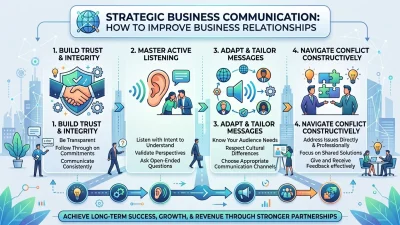

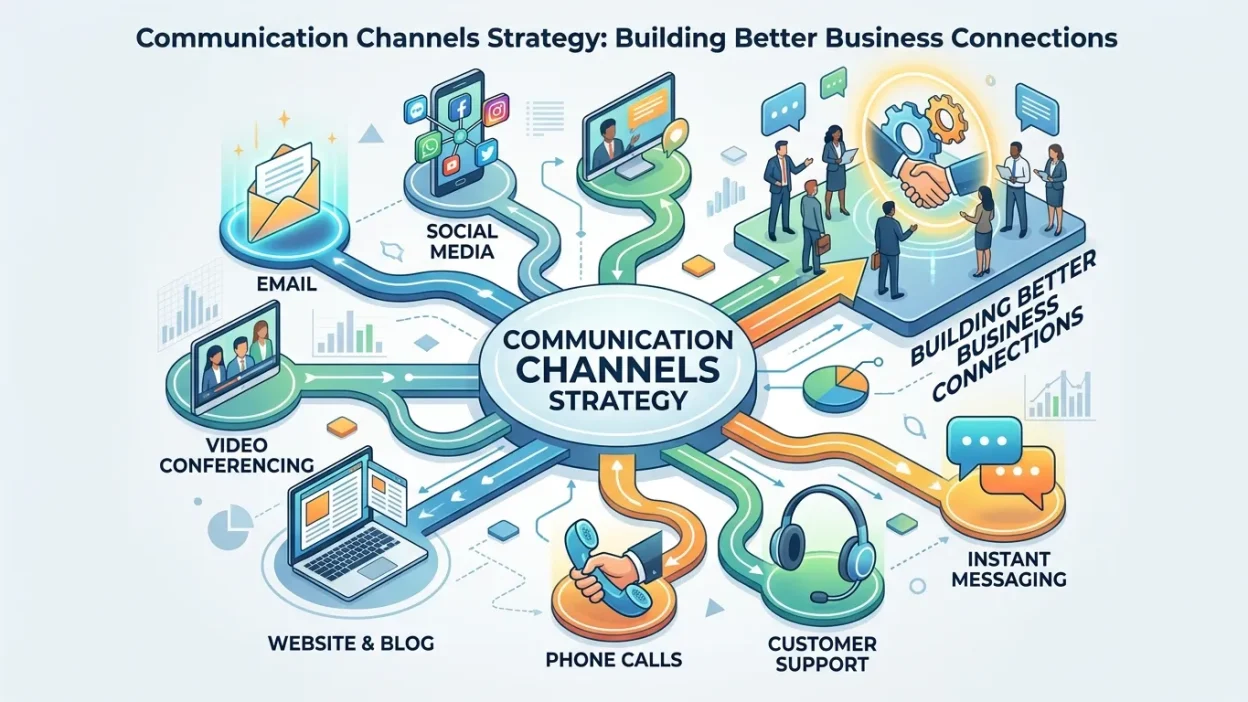
A communication channels strategy helps businesses choose and coordinate the right platforms for reaching customers, employees, and other audiences. By combining digital channels, marketing platforms, internal communication tools, and cross-channel messaging, organizations can improve consistency, engagement, customer experiences, and business results. The strongest strategies focus on audience needs, clear messaging, appropriate channel selection, and measurable outcomes.
What Is a Communication Channels Strategy?
A communication channels strategy is the process of selecting, organizing, and managing the communication platforms a business uses to connect with its customers, employees, partners, and other audiences. Instead of communicating through every available platform without a clear purpose, businesses can determine which channels are most appropriate for specific audiences and objectives.
Modern businesses communicate through email, websites, social media, messaging platforms, video, phone calls, events, mobile applications, and internal collaboration tools. Each channel has different strengths, audience expectations, and communication patterns.
A strong strategy brings these channels together so that communication remains relevant, consistent, and useful. The objective is not simply to increase the number of channels but to make every communication interaction support a clear business purpose.
Why a Communication Channels Strategy Matters
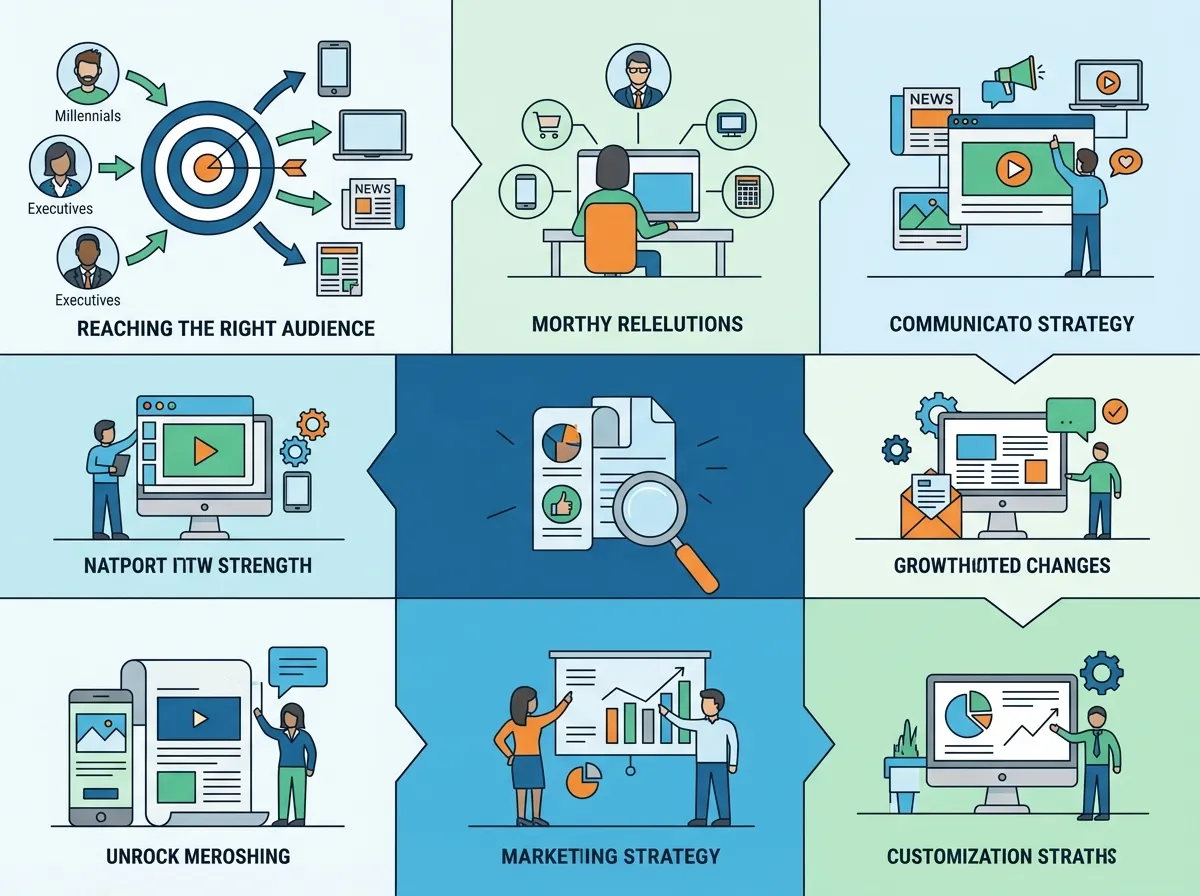
Customers rarely interact with a company through only one channel. A potential customer may discover a brand through social media, visit its website, subscribe to email, speak with a sales representative, and later contact customer support.
If these interactions are disconnected, customers may receive inconsistent information or have to repeat themselves. A coordinated communication approach creates a more seamless experience.
For employees, communication is equally important. Teams need reliable ways to receive information, collaborate, provide feedback, and stay connected with organizational priorities.
A thoughtful communication channel strategy therefore supports both external customer relationships and internal business operations.
Multi-Channel Communication Strategy
A multi-channel communication strategy uses several communication platforms to reach an audience. Businesses may combine email, social media, websites, SMS, advertising, direct communication, and other channels depending on their goals.
The main advantage of a multi-channel approach is reach. Different customers prefer different communication methods. Some may regularly check email, while others are more responsive to social media or messaging.
However, simply using multiple channels does not automatically create effective communication. Each channel should have a defined role. Email may be used for detailed information, social media for engagement, and messaging for timely updates.
When each platform serves a specific purpose, businesses can reduce unnecessary communication and make their overall strategy more organized.
Business Communication Strategy
A business communication strategy connects communication activities with broader organizational objectives. These objectives might include increasing sales, improving customer satisfaction, strengthening brand awareness, supporting employees, or managing important business changes.
The audience should be central to the strategy. Businesses need to understand who they are communicating with, what information those people need, and which channels they are most likely to use.
Communication should also be consistent in tone and messaging. Customers should recognize the same brand whether they encounter an email, website page, social media post, or sales conversation.
For B2B companies, email can remain particularly important because it supports detailed, professional communication and long-term relationship building. A resource such as B2B Email Marketing Strategy provides additional insight into using email as part of a broader marketing communication approach.
Digital Communication Channels
Digital communication channels have become central to how organizations interact with audiences. Websites, email, social media, messaging applications, video platforms, mobile apps, and online communities allow businesses to communicate quickly and at scale.
Digital channels also provide valuable performance information. Businesses can monitor engagement, clicks, conversions, responses, traffic, and other behaviors to understand whether their communication is achieving its intended purpose.
However, digital communication should not become an exercise in publishing content everywhere. Businesses should prioritize channels based on audience behavior and business goals.
A smaller number of well-managed channels can often produce better results than maintaining a large number of poorly coordinated platforms.
Customer Communication Strategy
A customer communication strategy focuses specifically on how a business communicates with existing and potential customers throughout their relationship with the brand.
Different stages of the customer journey may require different communication. Prospects may need educational information, product details, comparisons, or demonstrations. Existing customers may need onboarding, support, updates, and useful resources.
Personalization can make communication more relevant. Customers are more likely to respond positively when messages reflect their interests, previous interactions, or current needs.
Businesses should also consider communication frequency. Too little communication can cause customers to forget about a brand, while excessive messaging can create fatigue and frustration.
The most effective customer communication balances relevance, timing, frequency, and value.
Omnichannel Communication Strategy
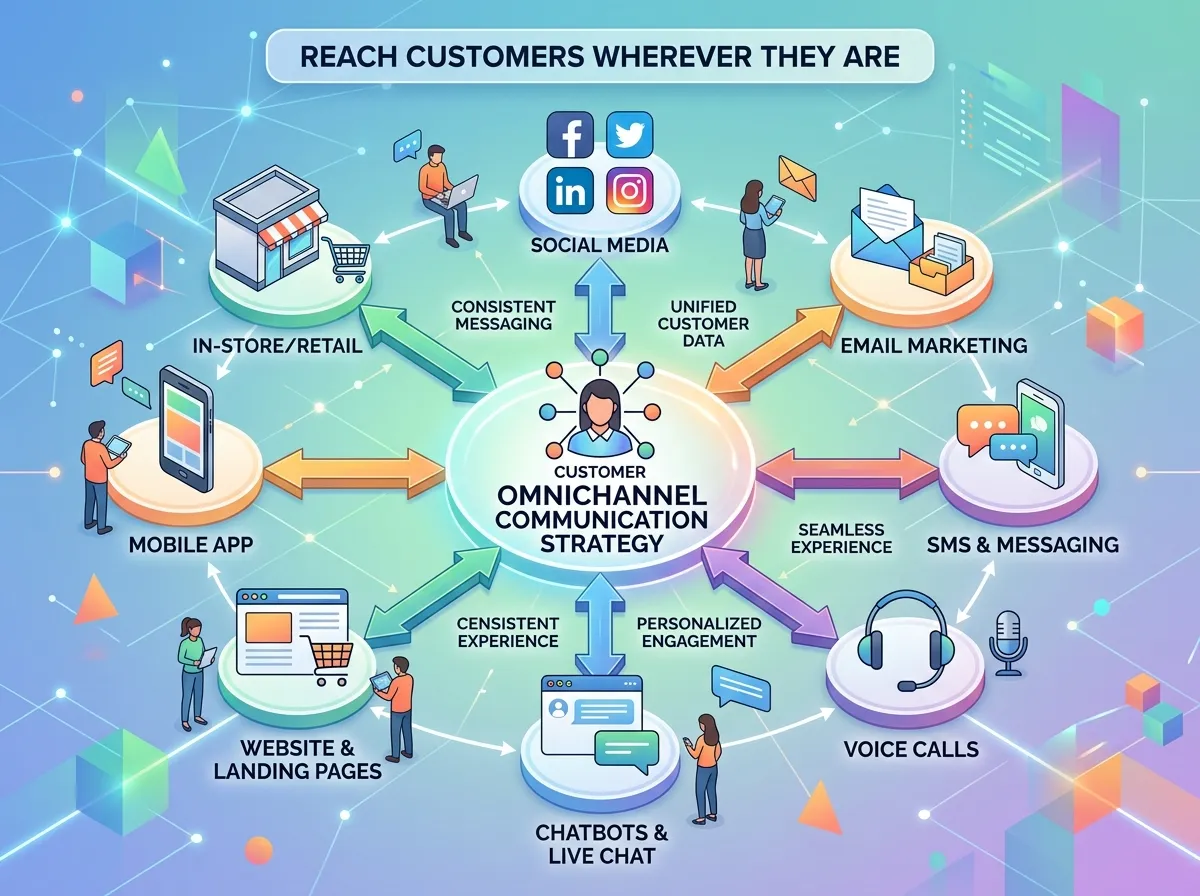
An omnichannel communication strategy goes beyond simply using multiple channels. It aims to connect those channels so customers experience a consistent and continuous relationship with the business.
For example, a customer might begin interacting with a company through social media, visit its website, submit a form, and later speak with customer service. An omnichannel experience seeks to maintain continuity across these interactions.
This requires coordination between technology, data, marketing, sales, and customer service. Customer information should ideally be accessible to the teams responsible for different communication touchpoints.
An omnichannel approach can reduce friction and make interactions feel more connected because customers do not have to start from the beginning every time they switch channels.
Marketing Communication Channels
Marketing communication channels include the platforms businesses use to promote products, educate audiences, strengthen relationships, and generate demand. These may include email, social media, content marketing, search, advertising, webinars, video, events, and direct communication.
Each channel can support a different part of the marketing journey. Search can help people discover a brand, content can educate them, email can nurture relationships, and sales communication can help qualified prospects evaluate an offering.
Storytelling can also make marketing communication more memorable. Businesses can explore Storytelling in Marketing Communication That Works to understand how meaningful narratives can strengthen communication with audiences.
The most effective channel mix depends on the target audience, industry, budget, resources, and objectives.
Effective Communication Strategy
An effective communication strategy focuses on clarity, relevance, consistency, and measurable outcomes. Communication should make it easy for audiences to understand what the business is saying and what action, if any, they should take.
Clear messaging is especially important when businesses communicate complex products or services. Excessive jargon or unclear explanations can create confusion and reduce engagement.
Timing also plays an important role. A message that is valuable at one stage of the customer journey may be irrelevant at another. Businesses should therefore consider when information is most useful rather than simply following a fixed publishing schedule.
Measurement completes the process. Engagement, response rates, conversions, customer satisfaction, and other relevant metrics can reveal whether communication is actually producing results.
Internal Communication Channels
Internal communication channels help organizations communicate with employees, managers, and teams. These channels can include email, internal messaging platforms, company intranets, video meetings, collaboration software, newsletters, employee meetings, and internal knowledge bases.
Internal communication is particularly important during organizational changes. Employees need clear information about new processes, priorities, policies, and expectations.
Two-way communication is also valuable. Employees should have opportunities to ask questions, provide feedback, and share ideas rather than receiving information only from management.
Employee advocacy and referral initiatives can also benefit from effective internal communication. For organizations interested in this area, How to Build an Employee Referral Program That Actually Works explores how companies can encourage employees to contribute to business growth.
Cross-Channel Communication Strategy
A cross-channel communication strategy coordinates messaging across different platforms while adapting content to the strengths of each channel.
The message does not necessarily need to be identical everywhere. Instead, the core information and brand positioning should remain consistent while the presentation changes according to the platform.
For example, a detailed product announcement might appear as an email, a shorter social media message, a website article, and a video. Each version can communicate the same core idea while being designed for the audience’s preferred format.
Cross-channel coordination also helps prevent communication gaps. Teams can understand what has already been communicated and determine what information should come next.
Using Data to Improve Communication
Data can help businesses understand which communication channels are producing meaningful results. Metrics such as open rates, click-through rates, website engagement, response rates, conversions, customer retention, and satisfaction can provide useful insight.
Marketing automation can make this analysis more powerful by connecting communication activity with customer behavior. Businesses can identify which messages generate engagement and which audiences respond to specific channels.
Organizations interested in evaluating automation performance can explore How to Measure Marketing Automation ROI Properly for additional insight into measuring business outcomes.
The goal of measurement should not be to collect as many metrics as possible. Businesses should focus on indicators that help them make better communication decisions.
Balancing Automation With Human Communication
Automation can make communication more efficient, particularly when businesses have large audiences. Automated emails, notifications, customer service messages, and marketing workflows can deliver timely information without requiring manual intervention for every interaction.
However, not every communication should be automated. Complex customer questions, sensitive situations, high-value sales conversations, and important organizational decisions often benefit from human interaction.
The best communication strategies combine automation with human judgment. Automation handles predictable and repetitive interactions, while people provide empathy, context, and problem-solving when needed.
Measuring Communication Channels Strategy Performance
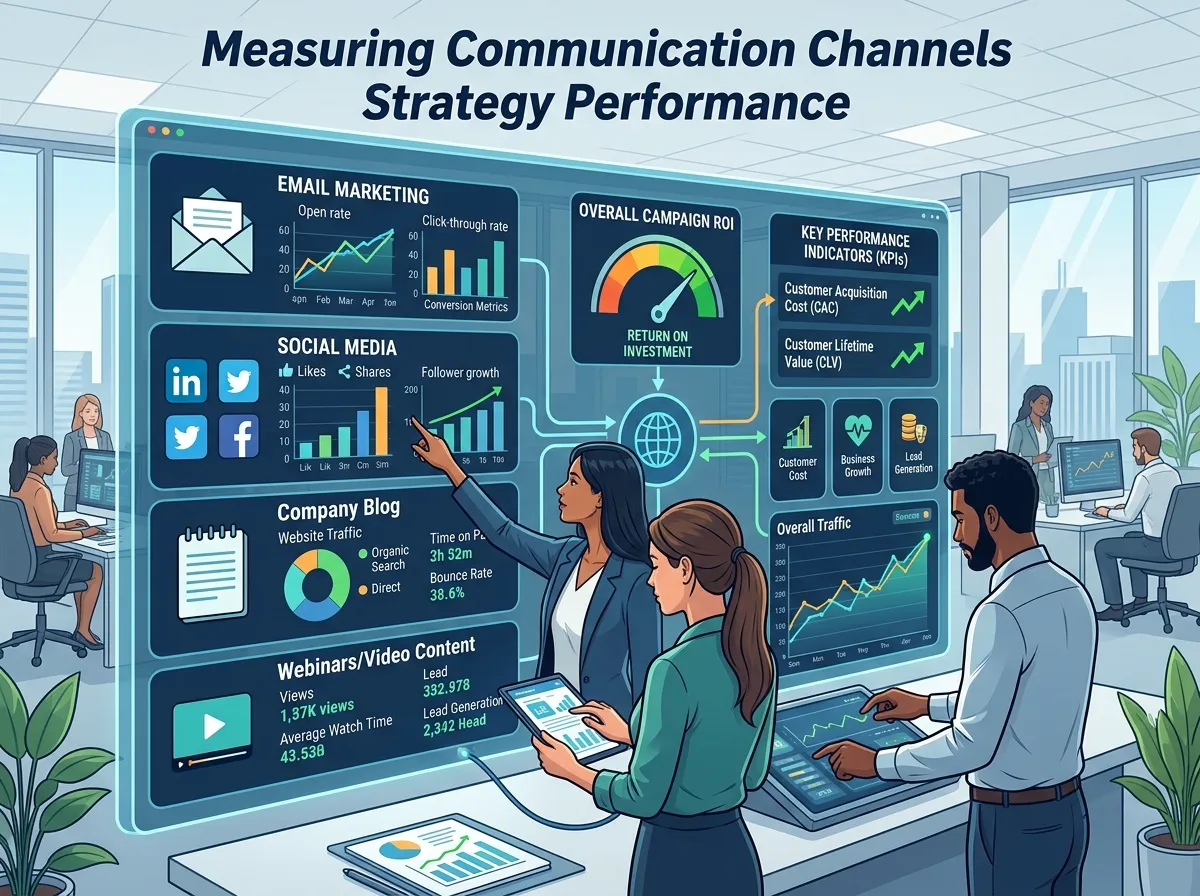
The performance of a communication channels strategy should be evaluated based on the organization’s objectives. A channel that generates high engagement may not necessarily generate meaningful business results.
For marketing, businesses may track leads, conversions, revenue, customer acquisition costs, and engagement. For customer service, response times, satisfaction, resolution rates, and retention may be more relevant.
Internal communication can be evaluated through employee engagement, participation, feedback, and understanding of organizational priorities.
Regular analysis helps businesses identify underperforming channels and invest more effectively in platforms that provide genuine value.
Final Thoughts
A strong communication channels strategy helps businesses create clearer, more connected relationships with customers, employees, and other stakeholders. Instead of treating every platform independently, organizations can assign clear roles to their communication channels and coordinate messaging across the customer journey.
From a multi-channel communication strategy and digital communication channels to omnichannel communication strategy and internal communication channels, every communication method should serve a meaningful purpose.
The most effective approach is audience-focused, measurable, consistent, and flexible. As communication technologies continue to evolve, businesses that understand where their audiences are and how they prefer to communicate will be better positioned to build lasting relationships.
Frequently Asked Questions
1. What is a communication channels strategy?
A communication channels strategy is a structured approach to deciding which platforms a business should use to communicate with specific audiences. It defines the purpose of each channel, the type of information shared, the target audience, and how different channels work together to support business objectives.
2. Why is a communication channels strategy important?
A communication channels strategy helps prevent fragmented and inconsistent communication. It allows businesses to reach audiences through their preferred platforms while maintaining a consistent message. It can also improve customer experiences, employee communication, marketing performance, and overall operational efficiency.
3. What is the difference between multi-channel and omnichannel communication?
Multi-channel communication involves using multiple platforms to reach an audience, while omnichannel communication focuses on connecting those platforms into a more unified experience. In an omnichannel approach, customers can move between channels with greater continuity instead of experiencing each interaction as completely separate.
4. What are common digital communication channels?
Common digital communication channels include email, websites, social media, messaging applications, mobile apps, video platforms, webinars, online communities, and digital advertising. The best combination depends on the audience, industry, communication objectives, available resources, and customer journey.
5. How do businesses choose the right communication channels?
Businesses should consider where their target audiences spend time, what type of information they need, how quickly they expect responses, and what communication format works best for them. Businesses should also evaluate the cost, resources, scalability, and measurable outcomes associated with each channel.
6. How can businesses improve customer communication?
Businesses can improve customer communication by providing relevant information at the right time and through appropriate channels. Clear messaging, personalization, consistent information, timely responses, and easy access to support can create a stronger customer experience. Businesses should also use feedback and performance data to continuously improve communication.
7. What role does internal communication play in a business?
Internal communication helps employees understand organizational goals, changes, responsibilities, policies, and priorities. Effective internal channels also encourage collaboration and feedback. When employees have reliable access to accurate information, teams can work more efficiently and remain better aligned with business objectives.
8. How can businesses maintain consistent communication across channels?
Businesses can maintain consistency by establishing clear messaging principles, brand standards, communication processes, and ownership for different channels. While content should be adapted to each platform, the core brand message, values, and important information should remain aligned across communication touchpoints.
9. Can automation improve a communication channels strategy?
Yes. Automation can help businesses deliver timely and personalized communication at scale. It can support email sequences, notifications, customer journeys, lead nurturing, and other repetitive processes. However, automation should complement human communication rather than replace it in situations requiring judgment, empathy, or complex problem-solving.
10. How can businesses measure communication strategy success?
Businesses can measure communication performance using metrics related to their objectives. These may include engagement, response rates, conversions, leads, revenue, customer satisfaction, retention, employee participation, and communication response times. Measuring outcomes rather than activity alone provides a clearer understanding of whether the communication strategy is creating business value.