


A marketing communication plan provides a clear roadmap for delivering consistent, goal-driven messaging across channels. By defining objectives, understanding audiences, crafting strong messages, selecting the right channels, and measuring results, businesses can improve campaign effectiveness. Regular optimization and alignment ensure marketing communications remain relevant, engaging, and impactful over time.
Define Your Marketing Communication Objectives

Start by establishing clear, measurable goals for your marketing communication efforts. Your objectives should align with broader business goals while being specific enough to guide decision-making throughout the planning process.
Common marketing communication objectives include:
- Increasing brand awareness by a specific percentage
- Generating a target number of qualified leads
- Driving sales growth in particular market segments
- Improving customer retention rates
- Launching new products or services successfully
Use the SMART framework to ensure your objectives are Specific, Measurable, Achievable, Relevant, and Time-bound. For example, instead of “increase brand awareness,” aim for “increase brand recognition among target demographic by 25% within six months.”
Document these objectives clearly, as they’ll inform every subsequent decision in your marketing communication plan.
Identify and Analyze Your Target Audience
Understanding your audience is crucial for crafting messages that resonate and choosing the right communication channels. Go beyond basic demographics to understand your audience’s motivations, challenges, and communication preferences.
Create Detailed Buyer Personas
Develop comprehensive profiles of your ideal customers that include:
- Demographics (age, gender, income, education)
- Psychographics (values, interests, lifestyle)
- Behavioural patterns (shopping habits, media consumption)
- Pain points and challenges
- Preferred communication channels
- Decision-making processes
Segment Your Audience
Not all customers are the same. Segment your audience based on relevant criteria such as:
- Geographic location
- Purchase behavior
- Customer lifecycle stage
- Product usage patterns
- Communication preferences
Each segment may require tailored messaging and different communication approaches to be most effective.
Craft Your Core Messages
Develop clear, compelling messages that speak directly to your audience’s needs and motivations. Your core messages should be consistent across all channels while allowing for adaptation based on platform and audience segment.
Establish Key Message Pillars
Create three to five main message themes that support your objectives. These pillars should:
- Address specific audience pain points
- Highlight your unique value proposition
- Differentiate you from competitors
- Align with your brand voice and values
Develop Supporting Messages
For each core message pillar, create supporting messages that provide more detail and context. Consider how these messages might vary across different audience segments while maintaining consistency in tone and key themes.
Create Message Hierarchies
Organize your messages by priority and relevance. Primary messages should appear in all communications, while secondary messages can be used to add depth and specificity in longer-form content.
Select Your Communication Channels
Choose the right mix of channels to reach your audience effectively. Your channel selection should be based on where your audience spends time, your budget constraints, and the nature of your messages.
Digital Channels
Consider these digital options:
- Social media platforms (Facebook, Instagram, LinkedIn, Twitter, TikTok)
- Email marketing
- Content marketing (blogs, videos, podcasts)
- Search engine marketing (SEO and paid search)
- Display advertising
- Website and landing pages
Traditional Channels
Don’t overlook traditional channels if they fit your audience:
- Print advertising
- Radio and television
- Direct mail
- Out-of-home advertising
- Public relations and media outreach
Integrated Approach
The most effective marketing communication plans use multiple channels that work together to reinforce messages and create multiple touchpoints with your audience. Ensure your channels complement each other and provide a cohesive experience.
Develop Your Content Strategy
Create a content strategy that brings your messages to life across chosen channels. Your content should provide value to your audience while advancing your communication objectives.
Content Types and Formats
Plan diverse content types to keep your audience engaged:
- Educational content (how-to guides, tutorials, industry insights)
- Entertaining content (stories, behind-the-scenes content, interactive posts)
- Promotional content (product announcements, offers, testimonials)
- User-generated content (customer stories, reviews, social posts)
Content Calendar
Develop a content calendar that maps out:
- Publishing schedules for each channel
- Content themes and topics
- Key campaigns and promotional periods
- Seasonal or industry-specific content opportunities
- Resource allocation and deadlines
Brand Guidelines
Ensure all content adheres to your brand guidelines, including:
- Visual identity standards
- Tone of voice guidelines
- Messaging consistency requirements
- Quality standards and approval processes
Set Your Budget and Allocate Resources
Determine how much you can invest in your marketing communication plan and allocate resources strategically to maximize return on investment.
Budget Categories
Consider these major budget categories:
- Paid advertising (social media ads, search marketing, traditional media)
- Content creation (design, copywriting, video production, photography)
- Technology and tools (marketing software, analytics platforms, automation tools)
- Personnel (internal staff time, external agencies, freelancers)
- Research and testing (market research, A/B testing, focus groups)
Resource Allocation
Distribute your budget based on:
- Channel effectiveness for your audience
- Historical performance data
- Industry benchmarks
- Testing opportunities for new approaches
- Required investment levels for meaningful impact
Contingency Planning
Reserve 10-15% of your budget for unexpected opportunities or necessary adjustments during campaign execution.
Create an Implementation Timeline
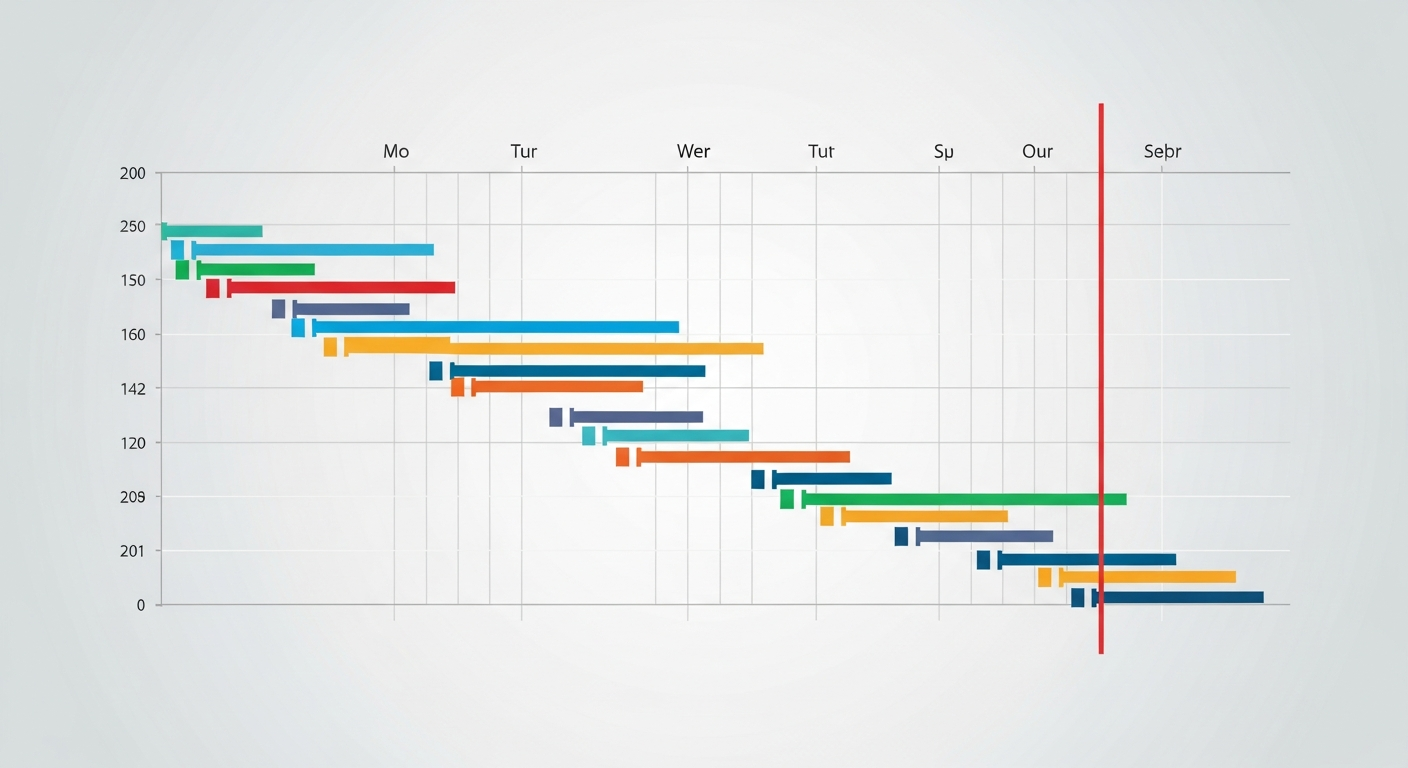
Develop a detailed timeline that outlines when each element of your marketing communication plan will be executed. A well-structured timeline ensures coordination across channels and prevents important deadlines from being missed.
Campaign Phases
Organize your timeline into distinct phases:
- Pre-launch preparation (content creation, asset development, team briefings)
- Launch phase (initial campaign rollout across channels)
- Active campaign management (ongoing content publishing, optimization, engagement)
- Post-campaign analysis and reporting
Critical Milestones
Identify key milestones and dependencies, such as:
- Content approval deadlines
- Asset delivery dates
- Campaign launch dates
- Review and optimization checkpoints
- Reporting deadlines
Team Responsibilities
Clearly assign responsibilities and deadlines to team members. Use project management tools to track progress and ensure accountability across all campaign elements.
Establish Measurement and Analytics
Define how you’ll measure the success of your marketing communication plan. Establish key performance indicators (KPIs) that directly relate to your objectives and set up systems to track progress.
Key Metrics to Track
Choose metrics that align with your objectives:
- Awareness metrics (reach, impressions, brand mention tracking)
- Engagement metrics (likes, shares, comments, time on page)
- Conversion metrics (leads generated, sales closed, email signups)
- Customer metrics (acquisition cost, lifetime value, retention rates)
Analytics Tools
Implement tracking tools to gather data:
- Google Analytics for website performance
- Social media analytics platforms
- Email marketing metrics
- CRM systems for lead and customer tracking
- Marketing automation platforms for campaign performance
Reporting Schedule
Establish regular reporting intervals:
- Weekly tactical reports for campaign optimization
- Monthly strategic reports for stakeholder updates
- Quarterly comprehensive reviews for plan adjustments
- Post-campaign analysis for future planning insights
Importance of a Unified Marketing Communication Plan
A unified marketing communication plan ensures all messaging efforts work toward the same objectives. Without alignment, teams risk delivering inconsistent messages across channels, confusing audiences and weakening brand credibility. A centralized plan keeps everyone focused on shared goals, tone, and timing. It also improves collaboration between marketing, sales, and leadership. When communication is unified, campaigns feel cohesive rather than fragmented. This consistency builds trust, reinforces brand identity, and increases campaign effectiveness. A strong plan acts as a single source of truth, reducing guesswork and improving execution efficiency across all touchpoints.
Aligning Marketing Communications with Business Goals
Marketing communication should never operate in isolation. Every message must support broader business objectives such as revenue growth, market expansion, or customer retention. Alignment ensures marketing efforts deliver measurable value rather than vanity metrics. When goals are clearly connected, teams can prioritize initiatives with the greatest impact. For example, if growth is the priority, communications should emphasize lead generation and conversion. Strategic alignment also improves executive buy-in and budget justification. Clear connections between communication activities and business outcomes make marketing more accountable and results-driven.
Role of Brand Voice and Tone
Brand voice defines how your company communicates across all channels. A consistent voice builds familiarity and trust, while inconsistent tone creates confusion. Whether your brand is professional, friendly, authoritative, or playful, the tone should remain recognizable. Marketing communication plans document voice guidelines to ensure consistency across teams and platforms. Tone may adapt slightly depending on context, but core personality should remain intact. Strong brand voice humanizes your organization and helps audiences connect emotionally. Over time, this consistency strengthens brand recognition and loyalty.
Emotional vs Rational Messaging
Effective marketing communication balances emotional appeal with rational value. Emotional messaging builds connection, while rational messaging supports decision-making. The right balance depends on your audience and product. B2C campaigns often lean emotional, while B2B requires logical proof points. However, even technical buyers respond to emotion when trust and risk are involved. A strategic plan defines when to emphasize emotion and when to focus on facts. Combining both elements creates persuasive messaging that resonates and converts.
Storytelling in Marketing Communications
Storytelling transforms messages into memorable experiences. Stories help audiences understand value through real-life context rather than abstract claims. Customer success stories, brand journeys, and behind-the-scenes narratives make communications relatable. A structured marketing communication plan identifies storytelling opportunities across channels. Stories build emotional engagement, improve recall, and increase message sharing. Strong storytelling aligns with brand values and audience needs, making campaigns more impactful and human-centered.
Crisis Communication Planning
A marketing communication plan should include crisis communication guidelines. Unexpected situations—such as product issues or public criticism—require fast, clear responses. Planning in advance ensures messaging remains calm, transparent, and consistent. Crisis communication protocols define spokespersons, approval processes, and key messages. This preparedness protects brand reputation and maintains customer trust during difficult moments. Brands that respond quickly and honestly often strengthen credibility rather than damage it.
Internal Communication Alignment
Internal communication is as important as external messaging. Employees should understand campaign goals, key messages, and brand positioning. When teams are informed, they become brand ambassadors. A marketing communication plan includes internal briefings, updates, and feedback loops. Clear internal communication reduces misalignment and improves execution quality. Employees who understand the “why” behind campaigns contribute more effectively and consistently represent the brand.
Future-Proofing Your Communication Strategy
Markets, platforms, and audience behaviors change rapidly. A flexible marketing communication plan prepares brands for future shifts. This includes monitoring trends, adopting new channels, and updating messaging strategies. Future-proofing ensures long-term relevance and competitiveness. Brands that adapt quickly maintain strong connections with evolving audiences.
Transform Your Marketing Communication Strategy
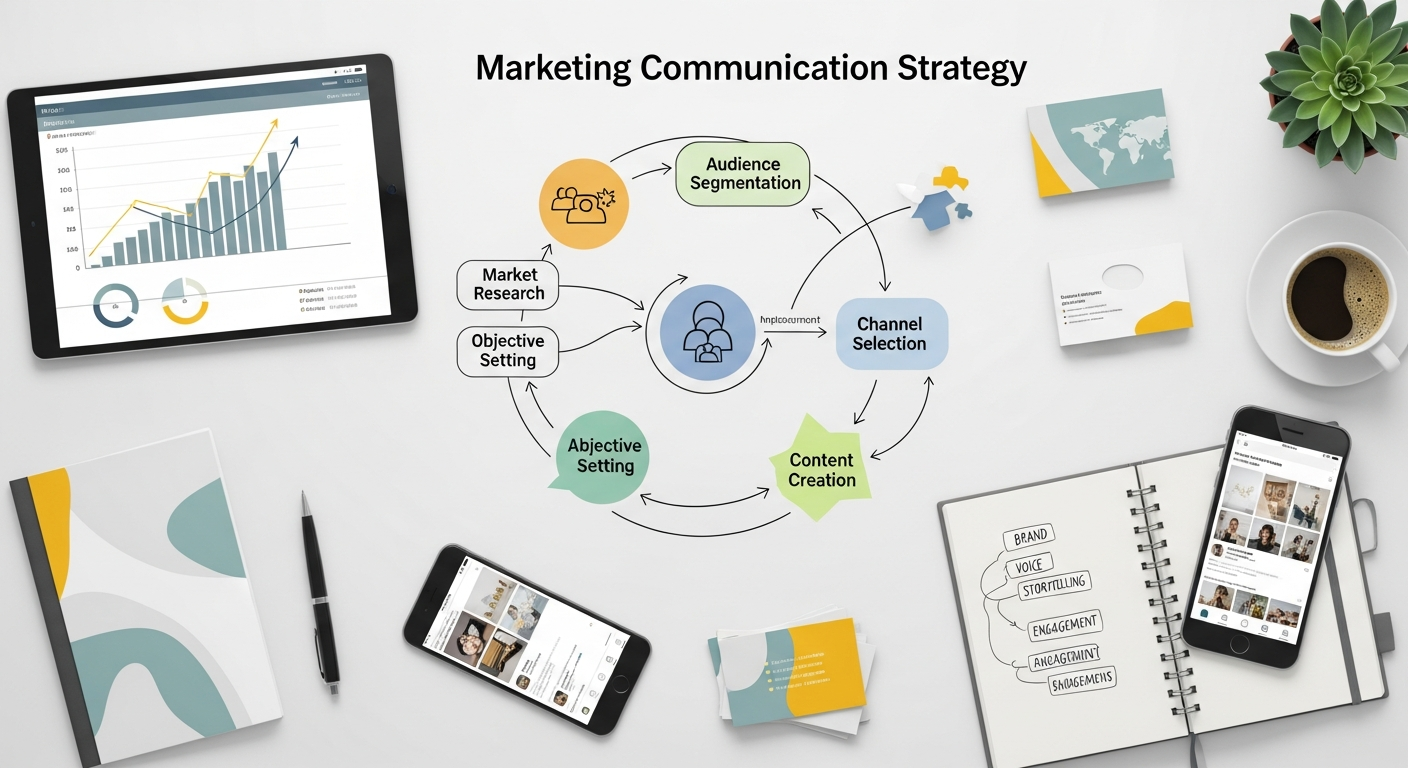
Developing a comprehensive marketing communication plan requires careful planning and strategic thinking, but the investment pays dividends in campaign effectiveness and business results. By following these eight steps, you’ll create a roadmap that guides your team toward consistent, measurable success.
Remember that your marketing communication plan should be a living document. Regular review and optimization based on performance data and market changes will help you stay relevant and effective. Start by implementing these steps systematically, and don’t hesitate to adjust your approach as you learn what works best for your specific audience and business goals.
Ready to put these steps into action? Begin with Step 1 and define clear objectives for your next marketing communication campaign. With a solid foundation in place, you’ll be well-positioned to create marketing communications that truly connect with your audience and drive meaningful business results.
Conclusion
A well-structured marketing communication plan is essential for delivering consistent, impactful messaging. It aligns goals, audiences, channels, and measurement into one strategic framework. By planning carefully and optimizing continuously, businesses can improve engagement, strengthen brand identity, and drive measurable results. A strong communication plan turns marketing efforts into coordinated, outcome-driven success.
Frequently Asked Questions (FAQ)
1. What is a marketing communication plan?
It outlines how a brand communicates messages across channels.
2. Why is a communication plan important?
It ensures clarity, consistency, and measurable results.
3. Who should be involved in planning?
Marketing, sales, leadership, and creative teams.
4. How often should plans be updated?
Quarterly or after major campaigns.
5. What channels should be included?
Digital and traditional, based on audience behavior.
6. How do you measure success?
Through KPIs aligned with objectives.
7. Is a budget mandatory?
Yes, budgeting ensures realistic execution.
8. Can small businesses use communication plans?
Absolutely, scalability applies to all sizes.
9. What role does branding play?
Branding ensures consistent identity and tone.
10. How long should a plan last?
Typically 3–12 months.
11. Should plans include crisis communication?
Yes, preparedness is essential.
12. Can plans evolve during campaigns?
Yes, they should adapt based on performance.


