
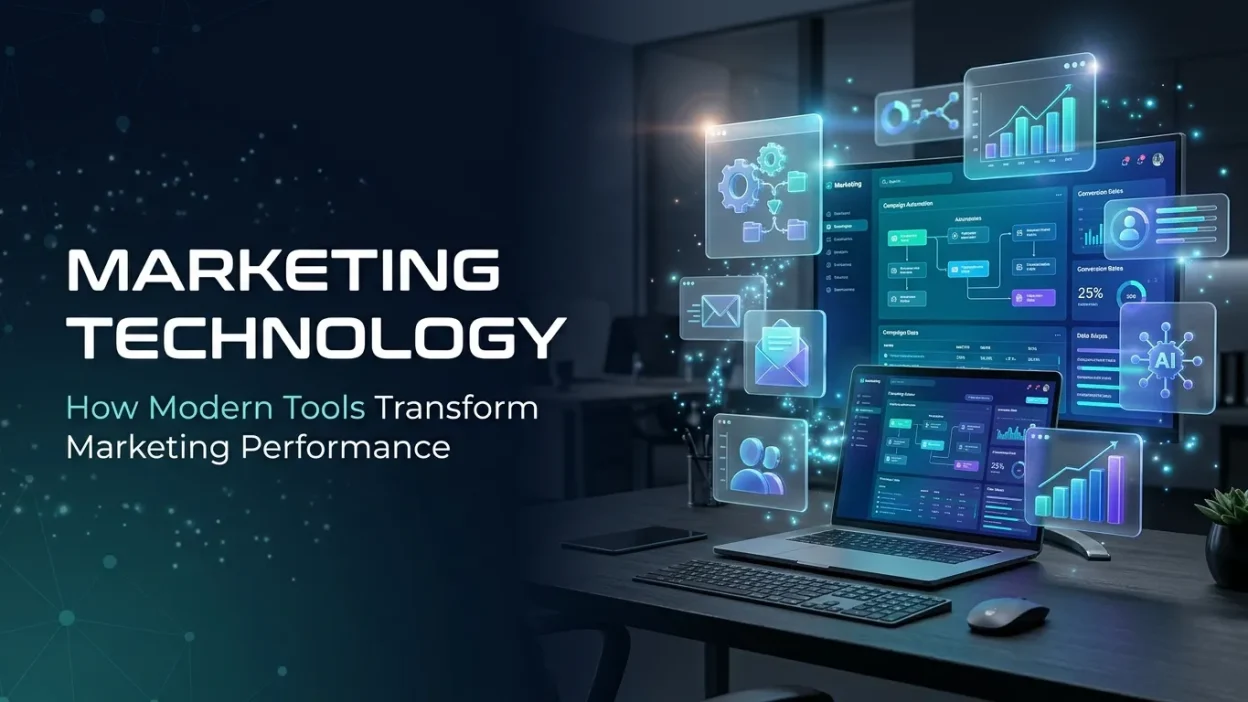
Marketing technology helps businesses plan, execute, measure, and improve their marketing activities through digital tools and software systems. From marketing automation and customer relationship management to data analytics and integrated digital platforms, these technologies make it easier to understand customer behavior, coordinate campaigns, and measure performance. A well-organized marketing technology stack can reduce repetitive work, improve decision-making, and create more consistent customer experiences. By choosing suitable solutions, integrating systems effectively, and following a clear strategy, businesses can use marketing technology to improve efficiency and support long-term growth.
Marketing technology has become an important part of how businesses connect with customers, manage campaigns, and evaluate results. As customer expectations change and digital channels expand, organizations need reliable ways to coordinate their marketing activities. Managing every task manually can create delays, inconsistent communication, and difficulties in measuring performance. Marketing technology helps address these challenges by bringing important processes into connected digital systems.
Marketing technology, often called MarTech, includes the software, platforms, and digital tools businesses use to support marketing operations. These solutions may help organizations manage customer information, automate email campaigns, publish content, analyze website traffic, coordinate advertising, and track customer engagement. When used effectively, they allow marketing teams to spend less time on repetitive administrative tasks and more time developing meaningful customer relationships.
However, purchasing more software does not automatically produce better marketing results. Businesses need to understand their goals, customer needs, existing processes, and available resources before selecting new tools. A well-planned technology environment supports the marketing strategy instead of making it unnecessarily complicated.
Understanding the Marketing Technology Stack

A Marketing Technology Stack is the collection of tools and platforms a business uses to manage its marketing activities. The exact structure depends on the organization’s size, industry, target audience, and operational requirements. Some companies need only a few essential tools, while larger organizations may require systems that connect advertising, customer data, content management, automation, analytics, and sales operations.
Customer relationship management software often forms an important part of the stack because it helps businesses organize customer records, track interactions, and maintain visibility into potential sales opportunities. Email marketing platforms support communication, while content management systems help teams publish and maintain website content. Analytics platforms provide information about traffic, engagement, conversions, and other performance indicators.
The most effective stack is not necessarily the one with the largest number of applications. Too many disconnected tools can create duplicate records, inconsistent reporting, and unnecessary expenses. A business may end up paying for several platforms that perform similar functions without improving its results.
Organizations should evaluate how each tool contributes to their overall objectives. The stack should support the full marketing process, from attracting an audience to nurturing relationships and measuring outcomes. A clear understanding of these requirements makes it easier to select tools that work together and deliver practical value.
The Role of Marketing Automation Tools
Marketing Automation Tools help businesses manage repetitive marketing activities with less manual effort. They can schedule email communications, organize audience segments, trigger follow-up messages, manage lead-nurturing workflows, and coordinate certain campaign activities based on customer actions.
Automation can improve consistency by ensuring that important communications happen at appropriate stages of the customer journey. For example, a business may use an automated sequence to welcome new subscribers, share relevant information, and follow up after a customer requests product details. This approach helps maintain communication without requiring employees to send every message individually.
Automation also allows teams to respond more efficiently to customer behavior. When a customer downloads a resource, visits a product page, or completes a form, a connected system may record the activity and initiate a relevant follow-up. The value comes from making communication timely and useful rather than simply increasing the number of messages sent.
Nevertheless, automation requires thoughtful planning. Poorly designed workflows can deliver irrelevant messages, repeat communications, or continue sending promotions after a customer has already completed a purchase. Businesses should review their automation rules regularly and ensure that customer preferences, consent requirements, and communication frequency are respected.
When combined with relevant content and accurate customer information, marketing automation can help organizations maintain stronger relationships while improving operational efficiency.
Digital Marketing Platforms and Their Business Value
Digital Marketing Platforms provide businesses with tools to manage online marketing activities across channels. Depending on the platform, these activities may include search advertising, social media campaigns, content publishing, email communication, audience targeting, and performance measurement.
Using suitable platforms helps organizations maintain a clearer view of their digital presence. Instead of managing every channel independently, teams may be able to coordinate campaign schedules, review performance data, and maintain more consistent messaging. This can be particularly useful for businesses operating across multiple markets or communicating with different audience segments.
Platform selection should depend on the marketing activities a company needs to support. A business focused on content publishing may prioritize website management and search performance. An organization running paid campaigns may require advertising management and conversion tracking. Companies with large customer databases may place greater importance on segmentation, personalization, and customer relationship management.
Businesses should also consider usability, reporting quality, security, scalability, and the ability to connect with existing systems. A platform with many advanced features may be less valuable than a simpler solution that employees can use effectively.
Digital marketing platforms deliver the greatest benefits when they support a coordinated strategy. Their purpose is not merely to increase the number of available channels but to help businesses reach relevant audiences, communicate consistently, and understand which activities produce meaningful outcomes.
Choosing the Right Marketing Technology Solutions
Marketing Technology Solutions should address specific business needs rather than being selected only because they are popular or feature-rich. Before investing in a new system, organizations should identify the problems they want to solve. These may include slow campaign execution, fragmented customer records, limited reporting, inefficient lead management, or difficulties coordinating marketing and sales activities.
The evaluation process should begin with existing workflows. Understanding how a task is currently completed helps teams determine whether new software is necessary and which capabilities would make the greatest difference. In some cases, improving the use of an existing platform may solve the problem without introducing another subscription.
Cost is another important consideration. Businesses need to evaluate licensing fees, implementation expenses, employee training, ongoing maintenance, and potential integration costs. A platform that appears affordable initially may become expensive when additional users, features, or technical support are required.
Ease of use also affects the value of a technology investment. If employees find a system confusing, they may avoid using it or create separate processes outside the platform. This can reduce data quality and make performance measurement more difficult.
A suitable solution should fit the organization’s current needs while allowing room for future development. Careful selection helps businesses build a more manageable technology environment and avoid unnecessary complexity.
Marketing Technology Integration for Connected Operations
Marketing Technology Integration connects different software systems so that information can move between them more efficiently. Without integration, employees may need to transfer records manually, update the same information in several applications, or compare reports that use different definitions. These tasks consume time and increase the risk of mistakes.
Integrated systems can create a more connected view of customer interactions. For instance, information collected through a website form may be transferred to a customer relationship management platform, where the sales team can review the inquiry. The marketing platform may then use relevant information to coordinate appropriate follow-up communications, subject to customer permissions and business rules.
Integration can also improve reporting. When campaign, website, and sales data are connected appropriately, businesses can better understand how marketing activity relates to customer engagement and commercial outcomes. This makes it easier to identify gaps between lead generation, sales follow-up, and conversion.
However, successful integration requires more than connecting applications. Businesses need consistent data formats, clear ownership of customer records, appropriate access controls, and processes for resolving duplicate or outdated information. They should also verify that connected systems handle personal data responsibly.
Organizations can begin with integrations that solve their most pressing operational problems and expand gradually. A phased approach makes testing easier and reduces the risk of disrupting essential workflows.
Developing a Strong Marketing Technology Strategy
A Marketing Technology Strategy explains how software, data, and digital systems will support a company’s marketing objectives. It connects technology decisions with broader goals such as improving customer acquisition, strengthening retention, increasing campaign efficiency, and generating more reliable performance insights.
An effective strategy begins with clearly defined business priorities. If a company wants to improve lead quality, it may need better data collection, segmentation, and lead-management capabilities. If its primary challenge is campaign coordination, automation and integration may be more important. Defining the objective first helps prevent unnecessary spending on tools that do not address the real problem.
The strategy should also consider how marketing technology fits into the wider business. Marketing, sales, customer service, and data teams often depend on overlapping information. Shared expectations about data quality, reporting, and customer communication can reduce confusion and improve coordination.
Budget planning is equally important. Businesses should account for subscription fees, setup costs, employee training, system maintenance, and future upgrades. Reviewing marketing budgeting practices can help organizations evaluate technology investments alongside other marketing expenses and allocate resources according to their priorities.
A good strategy should remain flexible. Customer behavior, business objectives, and available technologies change over time, so organizations need to review their systems periodically. Regular evaluation helps ensure that the technology environment continues to support marketing goals rather than becoming an outdated collection of applications.
Marketing Software Systems and Operational Efficiency

Marketing Software Systems help teams organize their activities, maintain records, coordinate campaigns, and evaluate performance. These systems may support content management, email communication, advertising, customer relationship management, social media publishing, and project coordination.
Their practical value comes from making everyday work more organized. A centralized system can help employees understand campaign responsibilities, review content schedules, access approved materials, and monitor task progress. Shared information also reduces the need for repeated updates across separate documents and communication channels.
Marketing software can improve collaboration between departments. Sales teams may need information about lead sources and customer interests, while marketing teams need feedback about lead quality and sales outcomes. When both teams work with reliable, connected information, they can make better decisions about targeting, messaging, and follow-up.
Yet software alone cannot resolve unclear responsibilities or inefficient processes. Organizations should establish ownership for important tasks, define consistent procedures, and provide training so employees understand how the systems should be used.
Data governance is particularly important when several departments rely on the same platforms. Businesses should determine who can access, update, and export customer information, and they should maintain suitable security controls. These practices help protect information while supporting efficient operations.
When marketing software systems are selected and managed carefully, they create a more dependable foundation for collaboration, communication, and continuous improvement.
Marketing Data Analytics Tools and Better Decision-Making
Marketing Data Analytics Tools help businesses collect, organize, interpret, and evaluate information about their marketing performance. They can reveal which channels attract visitors, which campaigns generate engagement, how customers move through a purchasing process, and where potential customers stop interacting.
Without reliable analytics, marketing decisions may depend too heavily on assumptions or isolated results. A campaign may produce substantial website traffic without generating qualified inquiries, while a smaller campaign may attract fewer visitors but contribute more valuable customers. Analytics helps organizations distinguish between activity and outcomes.
Useful measurements depend on the company’s goals. Website engagement, email click-through rates, cost per lead, conversion rates, customer acquisition cost, and customer lifetime value can each provide different insights. Businesses should select metrics that connect directly to their objectives instead of tracking every available number.
The interpretation of data is just as important as collection. Teams need to understand attribution limitations, reporting delays, duplicate conversions, and differences between platform metrics. A single channel may receive credit for a conversion even though several interactions influenced the customer’s decision.
Organizations seeking to improve this process can benefit from marketing analytics and data-driven insights, particularly when connecting campaign performance with broader business outcomes.
Analytics should ultimately guide practical action. When data reveals that a campaign attracts the wrong audience or a landing page creates friction, teams can test improvements and monitor the results. This cycle of measurement, interpretation, and refinement makes marketing decisions more informed and accountable.
Effective Marketing Technology Management
Marketing Technology Management involves maintaining the systems, processes, data, and responsibilities that support marketing operations. As organizations adopt more tools, ongoing management becomes essential to ensure that their technology remains useful, secure, and cost-effective.
One important responsibility is reviewing software usage. Businesses should identify tools that employees actively use, applications that duplicate existing features, and subscriptions that no longer provide sufficient value. Regular reviews can reduce unnecessary costs and make the overall technology environment easier to manage.
System ownership should also be clear. Each major platform needs someone responsible for access permissions, configuration, data quality, user support, and renewal decisions. Without defined ownership, settings may become outdated, duplicate records may accumulate, and employees may develop inconsistent ways of using the same software.
Training plays a major role in successful management. Employees need to understand both the technical functions of a system and the business processes it supports. Practical training and clear documentation can improve adoption and reduce avoidable errors.
Security and compliance must remain part of the process. Organizations should apply appropriate access controls, review vendor practices, protect customer information, and follow relevant privacy and marketing communication requirements.
Effective management is an ongoing responsibility rather than a one-time implementation task. Regular reviews help businesses adapt their systems as marketing needs change and maintain a technology environment that supports reliable performance.
Understanding Marketing Technology Trends
Marketing Technology Trends reflect changes in the tools and approaches businesses use to understand audiences, deliver campaigns, and measure results. Organizations that monitor these developments can identify opportunities to improve efficiency while avoiding investments that do not fit their needs.
Artificial intelligence is influencing areas such as content assistance, customer segmentation, predictive analysis, and campaign optimization. These capabilities can help teams process information and identify patterns, but human review remains important for accuracy, originality, brand suitability, and responsible decision-making.
Privacy-focused marketing is another significant development. As expectations around data protection increase, businesses need clearer consent practices, more responsible information handling, and a better understanding of how customer data is collected and used. Strong data governance can support customer trust while helping organizations adapt to changing requirements.
First-party data is also important because businesses increasingly need reliable information gathered through direct customer relationships and permitted interactions. Properly managed customer preferences and engagement records can support relevant communication without depending entirely on external data sources.
Integration and interoperability remain valuable as organizations work to reduce fragmented systems. Businesses increasingly benefit from tools that share information effectively and provide a clearer view of performance across channels.
Not every new trend deserves immediate adoption. Companies should evaluate emerging technologies according to their business objectives, implementation costs, security requirements, and measurable benefits. A thoughtful approach helps them remain adaptable without creating unnecessary complexity.
Connecting Marketing Technology with Inbound Marketing
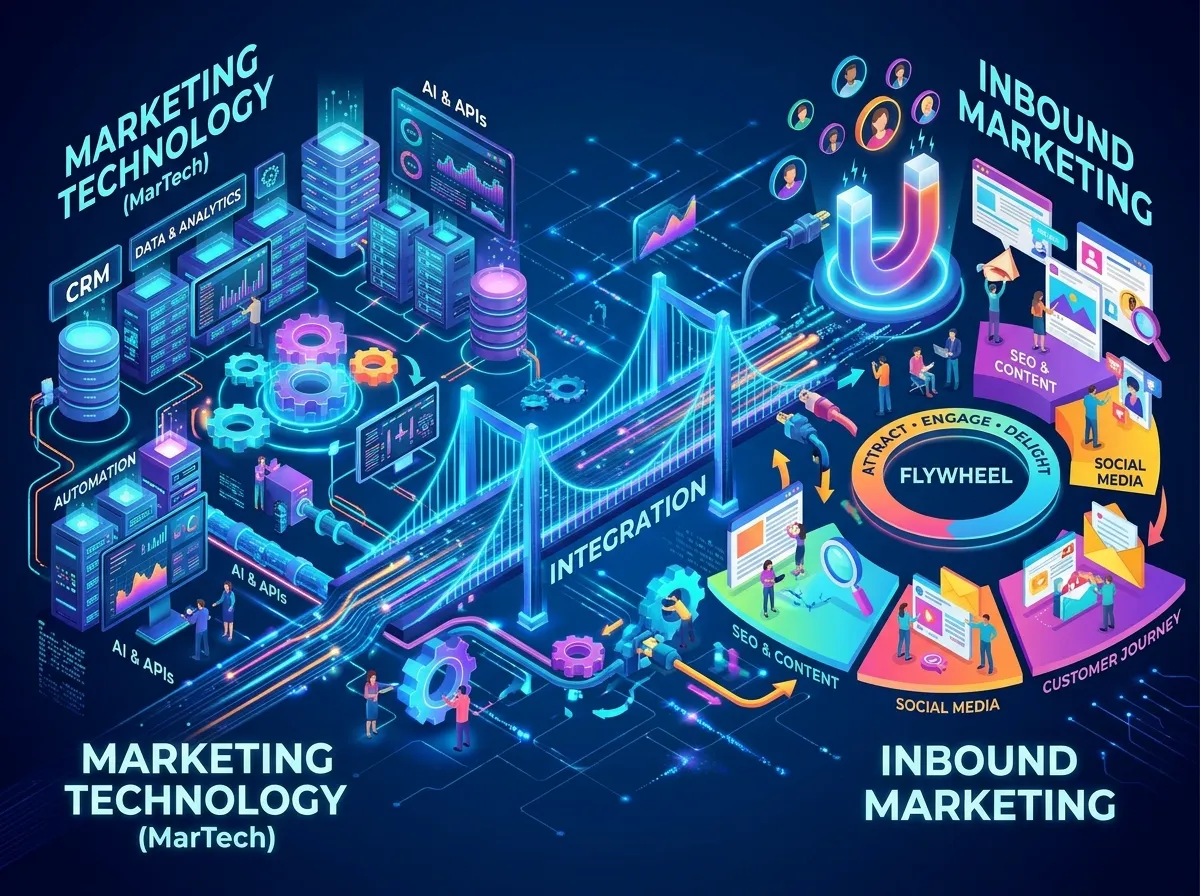
Marketing technology becomes particularly useful when it supports a coherent approach to attracting, engaging, and retaining customers. Inbound marketing depends on relevant content, helpful communication, and a clear understanding of customer needs. Technology can support these activities by organizing audience information, measuring content performance, and coordinating follow-up communication.
For example, analytics can help businesses identify which topics attract relevant visitors, while customer relationship management software can organize inquiries and track subsequent interactions. Marketing automation may then support appropriate communication based on customer interests and permissions.
The effectiveness of these systems depends on the quality of the underlying strategy. Automation cannot compensate for irrelevant content, and analytics cannot produce useful conclusions when the data is incomplete or interpreted incorrectly.
Businesses can strengthen this connection by aligning their technology decisions with an inbound marketing strategy. When content, customer information, and follow-up processes work together, marketing teams can provide a more connected experience and understand which activities contribute to business growth.
Marketing technology can also support partnership and sponsorship activities by helping teams organize campaign deliverables, monitor audience engagement, and assess results. In international collaborations, businesses should consider the contractual and compliance requirements associated with global sponsorship deals. Coordinated systems and clear records can help marketing teams manage commitments and evaluate campaign performance more effectively.
Conclusion
Marketing technology gives businesses the tools to manage campaigns, understand customer behavior, automate repetitive tasks, and make more informed decisions. Its value depends on how well the technology supports business objectives, connects existing systems, and helps employees deliver meaningful customer experiences.
A carefully selected marketing technology stack can improve efficiency, while effective integration and analytics can provide a clearer view of marketing performance. Strong management practices help control costs, maintain data quality, and ensure that systems remain useful as business needs evolve.
Rather than adopting every available platform or trend, organizations should focus on the tools that solve real problems and contribute measurable value. With a clear strategy, reliable data, responsible management, and regular evaluation, marketing technology can become a practical foundation for sustainable marketing performance.
Frequently Asked Questions
1. What is marketing technology?
Marketing technology, or MarTech, refers to the software, platforms, and digital tools businesses use to plan, execute, manage, and measure marketing activities. It includes automation tools, analytics platforms, customer relationship management systems, and content management software.
2. Why is marketing technology important for businesses?
Marketing technology helps businesses improve operational efficiency, coordinate campaigns, understand customer behavior, and measure marketing performance. It can also reduce repetitive work and support more relevant communication with customers.
3. What is a marketing technology stack?
A marketing technology stack is the collection of software and platforms an organization uses to support its marketing operations. It may include email marketing software, CRM systems, analytics tools, advertising platforms, and content management systems.
4. How do marketing automation tools work?
Marketing automation tools use predefined rules, triggers, and workflows to manage repetitive activities such as email sequences, audience segmentation, lead nurturing, and follow-up communications. Their effectiveness depends on relevant content and accurate customer information.
5. What should businesses consider when choosing marketing technology solutions?
Businesses should evaluate their goals, budget, required features, ease of use, integration capabilities, security, scalability, and training requirements. The best solution is one that addresses genuine business needs and provides measurable value.
6. Why is marketing technology integration important?
Integration allows different marketing systems to share information and coordinate activities. It can reduce manual data entry, improve reporting, limit inconsistencies, and help teams understand customer interactions across multiple channels.
7. How do marketing data analytics tools improve performance?
These tools help businesses evaluate traffic, engagement, conversions, acquisition costs, and other relevant metrics. The resulting insights can identify opportunities for improvement and support more informed marketing decisions.
8. What is marketing technology management?
Marketing technology management involves overseeing software selection, configuration, usage, access permissions, data quality, costs, and ongoing maintenance. Effective management helps organizations maintain a secure, efficient, and useful technology environment.
9. What are the major marketing technology trends?
Important trends include artificial intelligence, automation, privacy-focused marketing, first-party data management, predictive analytics, and improved system integration. Businesses should assess each trend according to their goals and available resources.
10. How can a business measure the success of its marketing technology?
A business can evaluate marketing technology through measures such as campaign conversion rates, cost per lead, time saved through automation, data quality, customer acquisition cost, software utilization, and return on technology investment. The most relevant metrics depend on the objectives each tool is expected to support.