

SaaS marketing communication is critical for attracting, engaging, and retaining customers. By aligning messaging with business goals, personalizing experiences, and using data-driven insights, SaaS companies can build trust, reduce churn, and increase conversions. A well-structured communication strategy ensures consistent value delivery across the entire customer lifecycle.
Effective communication isn’t just a skill; it is the foundation of every successful SaaS (Software-as-a-Service) marketing strategy. In a digital environment where customers are constantly comparing tools, pricing, and features, the ability to deliver the right message at the right time to the right audience can determine whether a prospect converts—or chooses a competitor instead. SaaS products are often complex, subscription-based, and intangible, which makes clear, consistent, and value-driven communication essential for educating users and building trust.
With intense competition and low switching costs in the SaaS landscape, businesses cannot rely solely on product features to stand out. A well-structured marketing communication strategy ensures that prospects understand the product’s value, existing customers remain engaged, and brand credibility grows over time. From onboarding emails and content marketing to in-app messaging and lifecycle campaigns, strategic communication plays a critical role in driving customer acquisition, retention, and long-term growth.
Why SaaS Businesses Need a Strong Marketing Communication Strategy
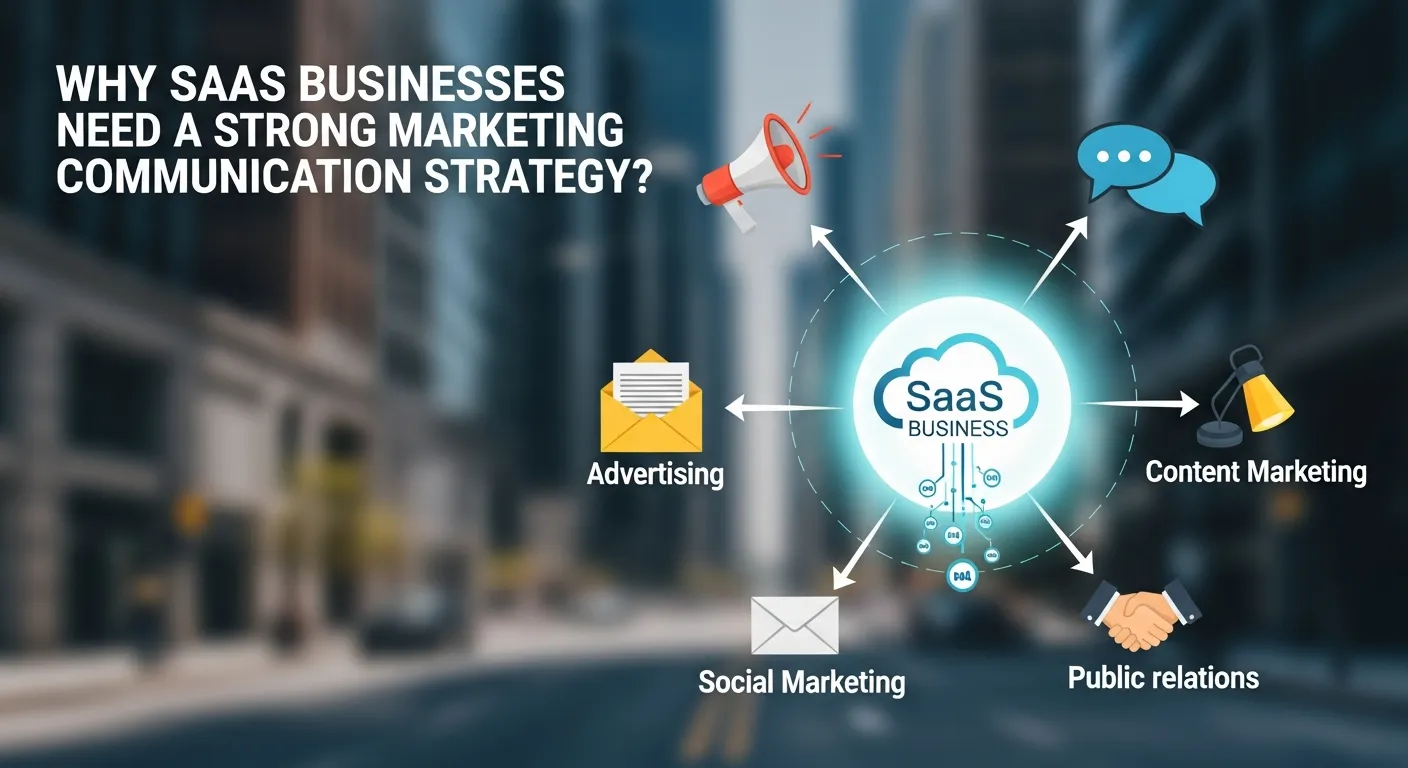
Unlike traditional products with upfront costs, SaaS businesses thrive on long-term subscription models. This means cultivating strong customer relationships is crucial. A well-executed marketing communication strategy allows SaaS companies to build trust, showcase value, and differentiate themselves in a crowded marketplace.
Key benefits of a tailored strategy for SaaS include:
- Enhanced Customer Retention: Keep churn rates low by maintaining regular, meaningful engagement with your customers.
- Higher Conversion Rates: Drive more effective campaigns by crafting targeted messages that resonate with your audience.
- Increased Credibility and Brand Visibility: Build a trusted name in a space where customers often struggle to choose between similar offerings.
Step-by-Step Guide to Building a SaaS Marketing Communication Strategy
1. Understand Your Audience
Every great strategy begins by identifying your target audience. To market effectively, you must understand the unique needs and pain points of the customers you aim to serve.
Steps to identify your audience:
- Create buyer personas by segmenting customers based on roles, industries, and other demographics.
- Conduct surveys, interviews, or polls to uncover their core challenges and expectations.
- Study user behavior metrics, such as product analytics and website activity, to identify their touchpoints and common concerns.
Pro Tip: SaaS users often want convenience and ROI explained upfront. Tailor your messaging to address these needs directly.
2. Define Your Core Value Proposition
Why should customers choose your SaaS product over others? Your value proposition is what communicates this clearly and concisely, leaving no room for ambiguity.
Steps to develop a strong SaaS value proposition:
- Focus on solving a specific problem your audience faces rather than listing features.
- Highlight measurable benefits such as time savings, cost reductions, or improved productivity.
- Keep it simple and customer-centric. Avoid jargon or buzzwords.
For example, Slack’s tagline perfectly sums up its value proposition in just six words: “Make work-life simpler, more pleasant, productive.”
3. Determine the Key Marketing Channels
Choosing the right communication channels is essential in SaaS marketing. Each channel comes with its unique strengths, making it crucial to align your channel selection with your audience preferences.
Common SaaS marketing channels to consider:
- Email Marketing:
-
- Use for nurturing leads through regular newsletters, product updates, and value-driven content.
- Personalized onboarding emails typically see high open rates and help improve retention.
- Content Marketing:
-
- Publish blog articles, whitepapers, guides, and user case studies to educate prospects and position your SaaS as a thought leader.
- Include SEO-rich content to improve discoverability.
- Social Media:
-
- Engage your audience on platforms like LinkedIn (for B2B SaaS) or Twitter (for fast-paced tech spaces). Use bite-sized updates, customer feedback highlights, and product announcements.
- Video Content:
-
- Product demo videos, tutorials, or case studies are visually engaging ways to build trust.
- Webinars:
-
- Educate potential customers and nurture leads with live webinars featuring expert discussions about challenges, benefits, and trends in their industry.
Pro Tip: Don’t spread yourself too thin. Focus on a mix of channels where your audience is most active.
4. Personalize the Customer Experience
Personalization is a non-negotiable in SaaS marketing. Customers expect communication tailored to their preferences and business challenges.
Ways to integrate personalization in SaaS communication:
- Segment email lists based on customer actions, such as free vs. paid users, industry type, or maturity level.
- Use dynamic website content to display localized information or highlight industries relevant to a visitor’s IP address.
- Leverage AI-based tools for personalized recommendations based on a user’s past behavior.
Example: Dropbox sends targeted emails that differ based on whether the user is new or an existing customer seeking to upgrade.
5. Focus on Lifecycle Marketing
The SaaS space revolves around customer lifecycles. Your communication strategy should evolve with your audience’s needs at each stage, from onboarding to renewal.
Customer lifecycle stages and focus areas:
- Awareness: Generate leads with educational content, webinars, and blogs addressing pain points.
- Onboarding: Provide straightforward product guides, tutorials, and welcome emails to ensure a smooth start.
- Retention: Share tips, feature updates, or exclusive deals to continue adding value post-signup.
- Advocacy: Encourage satisfied users to leave testimonials or participate in referral programs.
Pro Tip: SaaS companies using lifecycle emails often see a 20-30% increase in engagement compared to one-size-fits-all campaigns.
6. Analyze and Optimize
Data should form the foundation of your marketing communication strategy. Regularly analyzing results allows you to measure effectiveness and make strategic adjustments.
Key SaaS metrics to track:
- Customer Acquisition Cost (CAC): Check if the cost of bringing in new customers aligns with your revenue goals.
- Churn Rate: Monitor the number of users canceling subscriptions to identify retention gaps.
- Click-Through Rate (CTR): Measure user engagement across email, ad, or webpage content.
- Trial-to-Paid Conversion Rates: Assess how many users transition from free trials to paying customers.
Pro Tip: Use A/B testing to experiment with different messaging or formats based on audience feedback.
Integrate Social Proof in Messaging
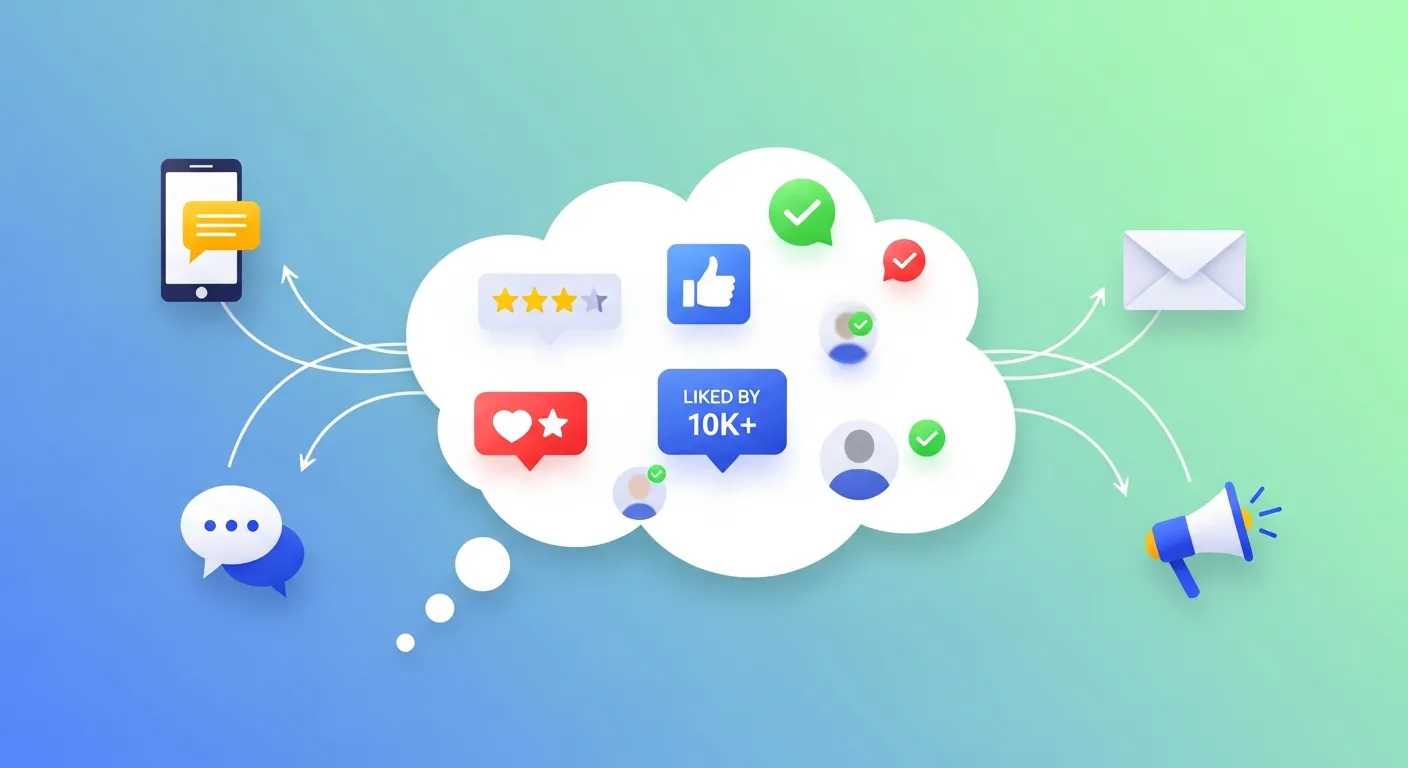
Social proof enhances SaaS marketing communication by validating your claims. Testimonials, reviews, case studies, and user-generated content help prospects trust your product faster. Featuring logos of existing customers, success metrics, and real-world use cases reinforces credibility. Social proof works especially well in landing pages, email campaigns, and sales communication. When potential customers see others achieving results with your SaaS, hesitation decreases and conversion rates improve.
Adapt Communication for Different Buyer Personas
SaaS buyers often include decision-makers, end users, and technical stakeholders. Each persona has unique priorities and concerns. Effective marketing communication adapts messaging based on audience role, industry, and maturity level. For example, executives care about ROI, while users focus on usability. Tailoring communication ensures relevance and clarity, preventing message fatigue. Persona-driven communication improves engagement, shortens sales cycles, and increases adoption across diverse customer segments.
Use Data to Personalize Messaging
Data-driven communication is a competitive advantage in SaaS marketing. Behavioral data, usage patterns, and engagement metrics help personalize messaging across channels. Personalized communication improves user experience by delivering relevant content, feature suggestions, and offers. SaaS brands that leverage analytics can anticipate user needs, reduce churn, and increase lifetime value. Personalization transforms generic marketing into meaningful conversations that feel timely and helpful.
Strengthen Communication During Onboarding
Onboarding communication sets the foundation for long-term success. Clear instructions, welcome emails, tutorials, and milestone messages help users quickly realize value. Poor onboarding leads to confusion and early churn. SaaS marketing communication should focus on guiding users toward quick wins while reinforcing benefits. Effective onboarding communication increases activation rates, improves satisfaction, and sets expectations for long-term engagement.
Reinforce Retention and Renewal Messaging
Retention-focused communication keeps SaaS customers engaged beyond signup. Regular feature updates, tips, success stories, and exclusive insights remind users of ongoing value. Proactive renewal communication reduces churn and strengthens relationships. SaaS companies that prioritize retention messaging often outperform competitors by maximizing customer lifetime value. Continuous engagement shows customers they are supported, heard, and valued.
Measure, Test, and Refine Communication
SaaS marketing communication must evolve through continuous optimization. Track metrics such as open rates, CTR, engagement, retention, and conversion rates. Use A/B testing to refine messaging, tone, and formats. Regular analysis helps identify what resonates with your audience and what needs improvement. Data-backed optimization ensures communication remains effective, relevant, and aligned with changing customer expectations.
Leveraging SaaS Marketing Best Practices

By now, you should have a solid foundation for building your SaaS marketing communication strategy. To secure long-term success, though, you’ll need to stay agile. Keep customer needs at the heart of your communication efforts, consistently refresh your messaging, and integrate feedback into your approach.
The SaaS field is evolving, and so are customer preferences. Want to ensure your strategy remains on the cutting edge? Sign up for our newsletter [link] for more insights or try [Jasper AI] for effortless content creation to fuel your SaaS marketing strategy.
Conclusion
A strong SaaS marketing communication strategy is essential for growth, retention, and brand credibility. By aligning messaging with business goals, personalizing communication, and leveraging data-driven insights, SaaS companies can stand out in competitive markets. Consistent, transparent, and value-focused communication builds trust, improves engagement, and drives sustainable success. SaaS brands that continuously refine their communication strategies are better positioned to scale and retain loyal customers.
Frequently Asked Questions (FAQ)
1. What is SaaS marketing communication?
SaaS marketing communication is the strategic process of delivering consistent, value-driven messages to users across multiple channels. It includes product education, feature updates, onboarding messages, content marketing, and lifecycle communication designed to attract, engage, convert, and retain subscribers throughout their journey.
2. Why is marketing communication critical for SaaS businesses?
Because SaaS relies on recurring revenue, communication plays a vital role in building trust, reducing churn, and strengthening long-term customer relationships. Clear communication helps users understand value quickly and keeps them engaged over time.
3. Which communication channels work best for SaaS?
The most effective channels include email marketing, content marketing, in-app messaging, social media, webinars, and product notifications. The best mix depends on your audience behavior and stage in the customer lifecycle.
4. How does personalization improve SaaS marketing communication?
Personalization ensures users receive relevant messages based on behavior, usage, or lifecycle stage. This increases engagement, improves user experience, and significantly boosts conversion and retention rates.
5. What role does onboarding communication play in SaaS success?
Onboarding communication helps users understand features, experience early wins, and adopt the product faster. Strong onboarding reduces confusion, shortens time-to-value, and lowers early-stage churn.
6. How often should SaaS companies communicate with users?
Communication should be consistent but not overwhelming. Frequency should align with user behavior, product usage, and lifecycle stage—ensuring messages remain helpful, timely, and relevant.
7. Can automation improve SaaS marketing communication?
Yes. Automation enables timely, behavior-based messaging at scale. It ensures consistency, saves resources, and allows SaaS teams to deliver personalized experiences without manual effort.
8. How does transparency impact SaaS brand trust?
Transparency builds credibility and long-term loyalty. Clear pricing, honest updates, open product roadmaps, and proactive communication help users feel confident in your brand.
9. What metrics measure SaaS communication effectiveness?
Key metrics include click-through rate (CTR), open rate, engagement rate, churn rate, retention rate, trial-to-paid conversions, and customer lifetime value (CLV).
10. Is content marketing essential for SaaS communication?
Absolutely. Content marketing educates prospects, answers questions, builds authority, and supports lead nurturing. Blogs, case studies, guides, and videos are critical SaaS growth assets.
11. How does product-led communication support growth?
Product-led communication uses in-app messages, tooltips, and notifications to guide users in real time. This improves feature adoption, engagement, and overall customer satisfaction.
12. Can small SaaS teams manage communication effectively?
Yes. With a clear strategy, the right tools, and automation, small SaaS teams can manage powerful communication campaigns efficiently and competitively.