

Effective marketing communication concepts, personalization, storytelling, and multi-channel approaches. By understanding audiences, delivering consistent messages, leveraging visuals, and analyzing feedback, businesses can boost engagement, build trust, increase conversions, and strengthen long-term brand loyalty in competitive markets.
Clear and effective marketing communication concepts are the backbone of every successful enterprise. It’s how companies talk to the world, tell people why they matter, and ultimately form lasting relationships. They should never be something done glibly or ill-advisedly though or it will alienate customers before they even come close to your product. However, when it comes breaking into this crowded area there’s always one stand-out idea that can catch everyone else off guard by delivering what people need in a way they weren’t expecting.
Trying to refine your strategy and truly connect with your audience? This guide will take you through the fundamental concepts of marketing communication that can make all difference in reaching an audience on the most personal level. From designing campaigns and crafting social posts, to creating email sequences these are techniques urgent for gaining engagement figures and driving profit.
Why Marketing Communication Matters
At its core, marketing communication bridges the gap between what your business offers and what your audience needs. It’s how you inform, persuade, and remind your audience about your products/services. When done right, it doesn’t just promote your offerings; it connects on an emotional level and builds trust.
Think of brands like Apple or Nike. Their success isn’t just about innovative products. It’s about how they communicate their brand voice and values consistently. This is the power of marketing communication.
Exploring the Key Marketing Communication Concepts
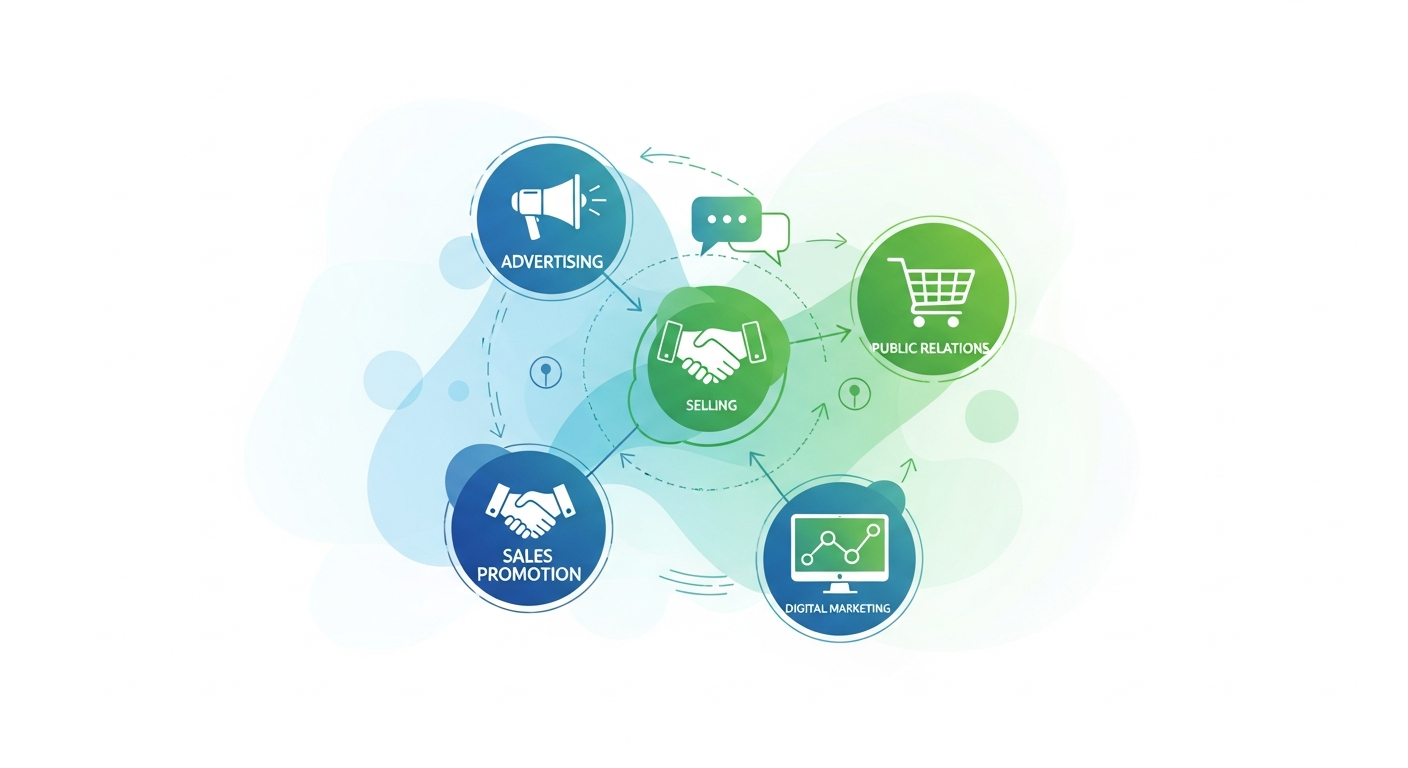
1. The Communication Process Model
Every successful marketing message starts with understanding the communication process model. This model helps businesses visualize how messages are transmitted and received:
- Sender: The company or marketer initiating the communication.
- Message: The information you want to convey to the audience.
- Channel: The medium used to deliver your message (social media, email, TV, etc.).
- Receiver: The target audience interpreting the message.
- Feedback: The audience’s response to the message, such as a purchase, inquiry, or social media engagement.
Understanding this process ensures your messaging is clear, relevant, and engaging at every touchpoint.
2. Understanding Your Target Audience
No marketing communication strategy can succeed without knowing your target audience. This includes identifying their:
- Demographics (age, gender, income, education level).
- Psychographics (values, interests, attitudes).
- Behavioral Characteristics (buying habits, product usage).
The more specific your audience personas, the better you can tailor your communication. For instance, if you’re targeting millennials, your tone might be casual and playful, often delivered through platforms like Instagram or TikTok. On the other hand, B2B executives might prefer concise, professional content shared via LinkedIn.
3. The AIDA Model
AIDA is one of the most widely used frameworks in marketing communication. It represents the key stages of a customer’s purchasing decision:
- Awareness: Capturing attention. This is your opportunity to grab eyeballs with a value-packed headline, ad, or social post.
- Interest: Building curiosity about your offering. Share engaging content that explains your product’s features and benefits.
- Desire: Convincing your audience that they need your product. Demonstrate value through testimonials, case studies, or unique selling points.
- Action: Driving the audience to take a specific next step, like signing up, making a purchase, or downloading an app.
Take every campaign through the AIDA lens to ensure your communication aligns with how your audience makes decisions.
4. The Importance of Integrated Marketing Communication (IMC)
Integrated Marketing Communication (IMC) ensures a consistent brand voice across all channels. A seamless blend of email marketing, social media, content marketing, and offline initiatives drives home the same core message.
For example:
- Email can nurture leads with tailored follow-ups.
- Social Media builds brand visibility and connects with customers in real-time.
- Content Marketing educates and engages with blogs, case studies, or infographics.
IMC avoids fragmented messaging, ensuring that your audience doesn’t feel confused or disconnected. Consistency strengthens your brand identity and builds trust.
5. Emotional Appeal Versus Rational Appeal
Marketing communication strategies can rely on emotional or rational appeals. Knowing when to use each is critical.
- Emotional Appeal targets feelings, values, or desires. For instance, Coca-Cola’s “Share a Coke” campaign leverages sentiments associated with friendship and happiness.
- Rational Appeal focuses on logic and reason. Brands like IBM and HubSpot often use rational appeal, showcasing measurable benefits like productivity or ROI.
Balance both, depending on your audience and goals. A tech company, for instance, might use rational appeals for B2B buyers but shift to emotional appeals when targeting students.
6. Storytelling in Marketing Communication
Everyone loves a good story. Storytelling makes your brand relatable and memorable. Integrate stories that highlight:
- How your product or service solved a pain point.
- Real-life examples from customer testimonials.
- A behind-the-scenes look at your brand’s vision or mission.
For example, Airbnb doesn’t just market accommodations. They tell stories about travelers experiencing the world in unique ways.
7. Feedback and Continuous Improvement
Marketing communication is never a set-it-and-forget-it process. It’s essential to continually evaluate performance and incorporate feedback.
- Track KPIs like conversion rates, email open rates, and social media engagement.
- Analyze Feedback from customer surveys, focus groups, or online reviews.
- Adjust Messaging as necessary to remain relevant and resonant.
By closing the communication feedback loop, brands can stay agile and adaptive in a constantly shifting landscape.
Unlocking the Benefits of Strong Marketing Communication

Mastering these marketing communication concepts leads to tangible benefits, including:
- Stronger Brand Loyalty: A clear, consistent message helps customers connect emotionally with your brand.
- Improved Engagement Rates: Personalized, relevant communication drives higher interaction.
- Higher Conversion Rates: Messaging tailored to your audience’s needs effectively directs them through the buyer’s funnel.
- Competitive Edge: Strong communication helps your brand stand out in crowded markets.
Turn Lessons Into Action
Now that you have mastered these central marketing communication concepts, you must put them into practice. In other words, start by updating your customer personas, checking the brand tone and ensuring campaign consistency on every front and in every way. Complete the form to register for our free guide on crafting persuasive communication, with more practical suggestions. We’ll teach you how to make your marketing effective right now.
Crisis Communication Management
Strong marketing communication includes preparing for crises. Whether a product recall, negative publicity, or social media backlash, having a communication plan ensures a timely, transparent, and consistent response. Crisis communication should prioritize honesty, empathy, and actionable steps to mitigate impact. Use official channels to provide updates and address customer concerns. Coordinating internal teams ensures messages are unified and accurate. Effective crisis communication protects brand reputation, retains customer trust, and demonstrates accountability. Preparing in advance for potential issues allows marketers to respond quickly, reducing misinformation, managing public perception, and preserving long-term relationships.
Storytelling Through Case Studies
Case studies are powerful tools in marketing communication. They illustrate real-world applications of products or services and highlight success stories. Effective storytelling in case studies combines challenges, solutions, and measurable results. Sharing authentic experiences builds credibility and engages potential customers by showing tangible outcomes. Case studies also create content for multiple channels, including websites, social media, and email campaigns. By demonstrating value through real examples, businesses make their marketing communication relatable, trustworthy, and persuasive. Well-crafted case studies turn abstract claims into evidence, enhancing decision-making and influencing prospects at different stages of the buyer journey.
Feedback Loops and Audience Listening
Two-way communication strengthens marketing efforts. Collecting feedback from surveys, reviews, social media interactions, and direct communication helps businesses understand audience needs and preferences. Listening allows marketers to adjust campaigns, messaging, and tone in real-time. Feedback loops also create trust by showing customers that their voices matter. Incorporating insights into future campaigns improves relevance, effectiveness, and engagement. Audience listening helps identify pain points, opportunities, and trends, making marketing communication more data-driven and responsive. Brands that actively respond to feedback can adapt faster than competitors, foster loyalty, and create campaigns that resonate more deeply with their target audience.
Content Calendar and Campaign Planning
Strategic planning is essential for effective marketing communication. A content calendar ensures messages are consistent, timely, and aligned with business goals. Campaign planning involves mapping out channels, target audiences, key messages, and KPIs. By organizing campaigns in advance, marketers avoid last-minute errors, maintain tone consistency, and deliver relevant content at optimal times. Planning also allows coordination across teams, ensuring all marketing touchpoints reinforce the core message. A well-executed content calendar increases efficiency, improves engagement, and maximizes ROI by ensuring marketing communication remains deliberate, cohesive, and strategically aligned with brand objectives.
Analytics and Performance Measurement

Marketing communication is incomplete without measurement. Analytics track KPIs such as engagement rates, click-throughs, conversions, and brand sentiment. Tools like Google Analytics, social media insights, and email performance metrics provide actionable data to refine campaigns. Analyzing performance allows marketers to identify what works, optimize messaging, and adjust targeting strategies. Continuous measurement ensures marketing communication is not based on assumptions but on evidence, enhancing effectiveness. Insights gained from analytics guide future campaigns, help allocate resources efficiently, and provide accountability for results. Data-driven communication enables brands to continuously improve reach, resonance, and return on investment.
Conclusion
Effective marketing communication combines strategy, personalization, storytelling, and feedback. By consistently delivering relevant messages across channels, businesses build trust, engage audiences, drive conversions, and create long-term brand loyalty in a competitive digital landscape.
Frequently Asked Questions – Marketing Communication
1. What is marketing communication?
Marketing communication is the strategic process of delivering targeted messages to inform, persuade, and engage your audience. It includes advertising, PR, content marketing, social media, email campaigns, and all channels that convey your brand message effectively.
2. Why is marketing communication important?
It builds brand awareness, establishes trust, fosters customer relationships, and drives sales. Strong communication ensures your audience understands your value proposition, differentiates you from competitors, and motivates them to act.
3. What is the AIDA model?
AIDA stands for Awareness, Interest, Desire, and Action. This framework guides campaigns to capture attention, spark interest, create desire for products/services, and drive the audience to take measurable actions like purchases or sign-ups.
4. How do I identify my target audience?
Analyze demographics (age, gender, income), psychographics (values, interests, lifestyle), and behavior patterns (purchase history, online engagement). This helps create accurate personas and ensures messages resonate with the right people.
5. What is Integrated Marketing Communication (IMC)?
IMC ensures consistent messaging across all marketing channels. It aligns advertising, social media, email, content, and offline efforts to maintain a unified brand voice, improving recognition, trust, and campaign effectiveness.
6. How can storytelling improve marketing communication?
Storytelling engages emotions, makes content memorable, and demonstrates real-life value. Sharing customer success stories, behind-the-scenes insights, or problem-solving narratives strengthens brand connections and increases engagement.
7. What role does feedback play in marketing communication?
Customer feedback provides insights into campaign effectiveness, audience preferences, and engagement patterns. Using surveys, reviews, or social listening allows continuous optimization, keeping communication relevant and impactful.
8. How can emotional appeals be used effectively?
Emotional appeals target feelings, values, and desires to connect with audiences on a deeper level. Campaigns leveraging joy, nostalgia, or empathy often drive stronger engagement and influence buying decisions more than logical appeals alone.
9. Why is visual content important?
Images, infographics, and videos convey messages faster than text, enhance engagement, and reinforce brand identity. Visual storytelling improves retention, encourages social sharing, and supports multi-channel campaigns effectively.
10. How do I plan campaigns effectively?
Use content calendars, define goals, select the right channels, and maintain consistent messaging. Planning ensures coordinated efforts, timely communication, and maximizes reach and impact across audiences.
11. Can small businesses benefit from marketing communication strategies?
Absolutely. Even small businesses can build awareness, establish credibility, and gain a competitive edge through consistent, clear, and audience-focused communication strategies tailored to budget and resources.
12. How do I measure success in marketing communication?
Track KPIs such as engagement rates, click-throughs, conversions, audience growth, and brand sentiment. Analyzing these metrics helps refine campaigns, optimize messaging, and ensure resources drive tangible results.