

Effective marketing relies on choosing the right communication channels. Integrating traditional, digital, and experiential platforms boosts engagement, builds trust, and drives conversions. Understanding your audience and campaign goals is key to maximizing marketing success.
The foundation of any successful marketing strategy is effective communication. To communicate with your customers in a way that they will notice, you have to use the channels they use and love. It’s not just sending a communication–it’s all in the message, who you’re talking to at that audience and what channel you’re using. That’s how from generation one onwards your people can create their own value.
What Are Marketing Communication Channels?
Marketing communication on channels are the plat form and methods that businesses use to get messages across to their those who they want know. These channels range from traditional media—TV and print advertising for example—to modern digital solutions such as social media and Email marketing.
Why are these channels so important? Because every interaction you have with your audience happens on a channel Use the wrong one, and all your hard work may be drowned out as if it never happened. However, Pick wisely, and it ca n substantially increase customer confidence, engagement levels, and conversions.
But to clarify: it’s not just the audience interaction that’s so essential. When deciding on which marketing channel will carry your message to a particular group of people.
Types of Marketing Communication Channels
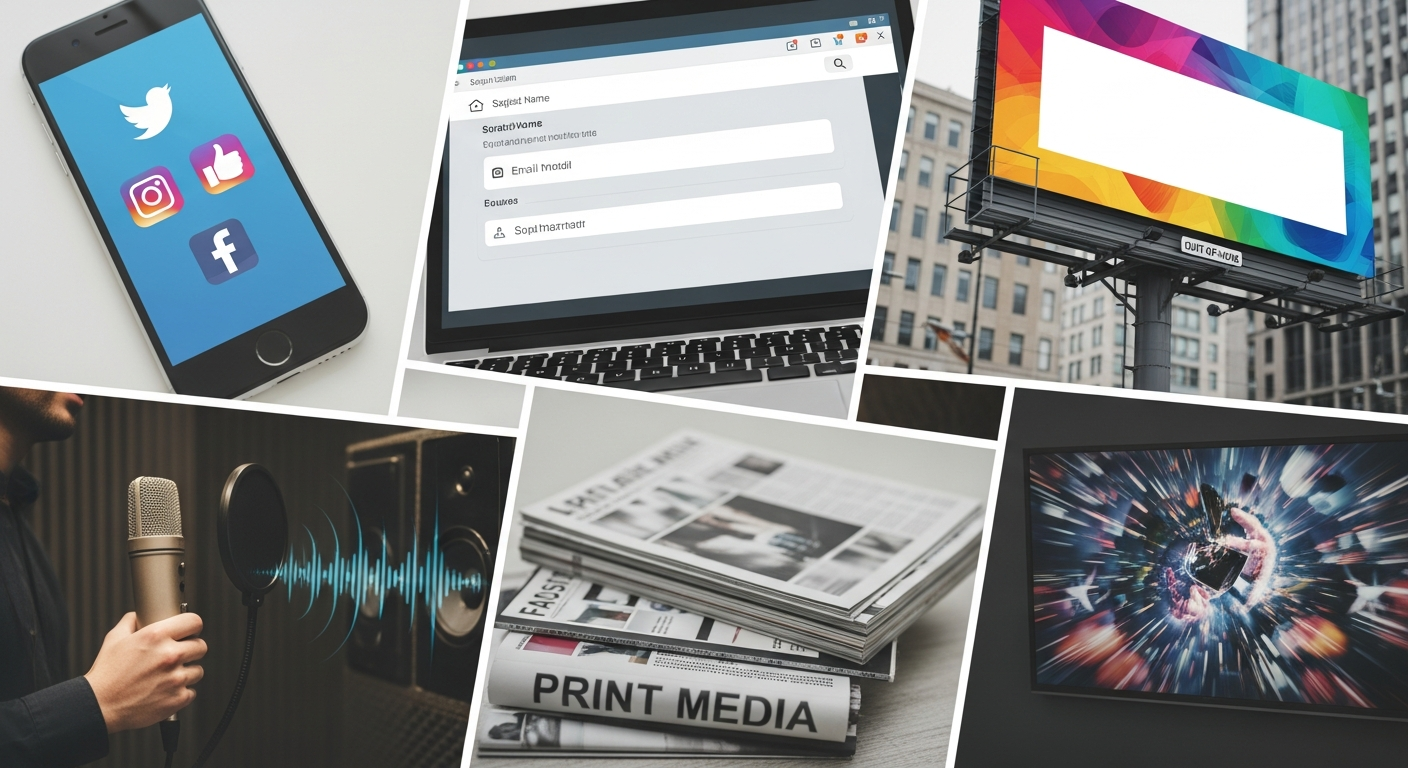 Using different types of channels ensures your messaging reaches people across varying preferences and touchpoints. Below are the key categories of communication channels and how to use them effectively:
Traditional Communication Channels
Traditional marketing channels might sound old-school, but they still have immense power in the right context. These include:
Television and Radio Advertising
Television and radio offer expansive reach, making them effective for brand awareness campaigns. Here’s how they can work for you:
- Best for: Wide-reaching campaigns, product launches, or boosting brand visibility.
- Example: A TV spot for Coca-Cola’s seasonal Christmas ad generates nostalgia and excitement globally.
Print Media
Newspapers, magazines, and brochures still hold relevance for targeted campaigns.
- Best for: Local advertising, high-target niche audiences (e.g., fashion or design magazines).
- Example: A luxury brand showcasing its high-end products in a premium lifestyle magazine aligned with its audience’s tastes.
Digital Communication Channels
Over the last two decades, digital channels have taken center stage in marketing due to their lower cost and data-driven insights.
Social Media Platforms
Platforms like Facebook, Instagram, LinkedIn, and TikTok are marketing goldmines if you use them right. Social media channels help brands engage customers, share updates, and build vibrant communities.
- Best for: Real-time interaction, visual storytelling, advertising to specific demographics, and building engagement.
- Example: Wendy’s Twitter strategy revolves around witty interactions, helping the fast-food chain gain a massive following through humor.
Email Marketing
Despite being one of the oldest digital platforms, email marketing remains crucial to nurturing leads and generating return customers.
- Best for: Sharing promotional offers, newsletters, and personalized content.
- Example: E-commerce brands like Amazon effectively use emails to send personalized product recommendations based on browsing history.
Online Video Marketing
Video content is rapidly becoming the most consumable form of media. Channels like YouTube, TikTok, and Instagram Reels are perfect for brands looking to showcase creativity.
- Best for: Tutorials, behind-the-scenes glimpses, and impactful storytelling.
- Example: A viral makeup tutorial video on YouTube featuring a beauty brand can double as entertainment and an organic product ad.
Paid Advertising (PPC)
Online advertising through platforms like Google Ads offers immediate visibility by placing your website near the top of search engine results for relevant queries.
- Best for: Driving traffic, lead generation, and creating visibility for specific campaigns.
- Example: A PPC campaign for Nike running shoes targeting “best shoes for runners” directs search engine users straight to their product page.
Search Engine Optimization (SEO)
Organic reach powered by SEO ensures your web content appears prominently as people search for subjects related to your field.
- Best for: Long-term website presence for brand visibility.
- Example: A blog post optimized for “best coffee-making tips” might drive traffic to a coffee equipment e-commerce website.
Relationship-Building Communication Channels
For businesses focused on long-standing customer relationships, tools dedicated to direct interaction are vital.
Messaging Apps and Chatbots
WhatsApp, Facebook Messenger, and automated chatbot tools enable private, real-time communication.
- Best for: Customer support and quick answers to inquiries.
- Example: A chatbot instantly replying with store operating hours and FAQs for a retail chain.
Webinars and Virtual Events
These create a personal connection with your audience while presenting valuable insights.
- Best for: B2B engagement and thought leadership.
- Example: A SaaS company hosting a webinar about their latest software updates to an audience of IT decision-makers.
Experiential and Community Channels
Marketing doesn’t always have to occur online. Offline experiences foster deeper connections.
Events and Sponsorships
Engaging customers in-person, whether through sponsored events or pop-up shops, helps build trust and authenticity.
- Best for: Branding and generating buzz.
- Example: Red Bull’s extreme sports events align well with its energetic branding.
Content Marketing
Creating and sharing valuable content helps create trust and establish authority in the market.
- Best for: Building thought leadership and nurturing potential customers.
- Example: A finance company publishing free guides and templates to help small businesses manage taxes.
How to Choose the Right Marketing Channels for Your Brand
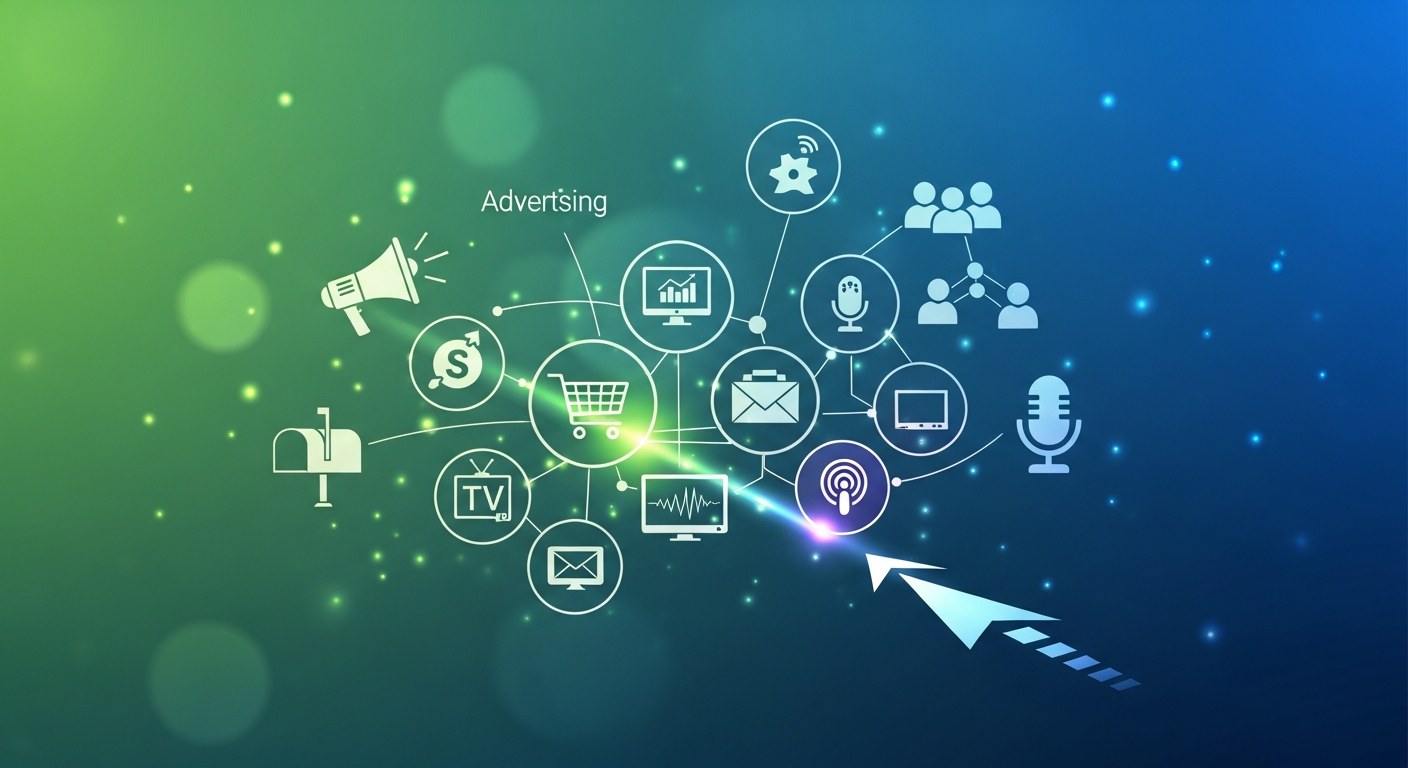 Choosing the right channels isn’t just about what’s trending. Here are some factors to consider:
Understand Your Audience
Conduct research to identify the channels your target audience prefers. Younger demographics gravitate toward Instagram and TikTok, while professionals might prefer LinkedIn.
Align Channels with Campaign Goals
Match your objectives with the right platform. For example:
– Build Awareness? Use TV advertising or social media ads.
– Drive Immediate Sales? Consider email marketing or PPC campaigns.
Budget Considerations
Evaluate your marketing budget and focus on platforms that offer the highest ROI. Digital marketing often has a lower cost per conversion than traditional methods.
Track and Test
Always monitor the success of campaigns using analytics tools. A/B tests help refine your approach further.
Email Marketing for Nurturing Leads
Email marketing remains a crucial digital communication channel. It allows brands to send personalized messages, promotional offers, and newsletters directly to subscribers. Segmenting your audience ensures messages are relevant and timely. Well-executed campaigns increase repeat purchases, nurture leads, and maintain customer relationships over time.
Video Marketing Channels
Videos are among the most engaging forms of content. Platforms like YouTube, TikTok, and Instagram Reels allow brands to demonstrate products, share tutorials, and create storytelling content. Video marketing increases brand recall and encourages higher engagement, making it an essential channel for modern campaigns.
Paid Advertising (PPC) and SEO
Paid advertising, such as Google Ads, delivers immediate visibility by placing your content near the top of search results. SEO ensures long-term organic visibility. Both channels are essential for driving traffic, capturing leads, and maintaining a strong online presence. The combination of SEO and PPC maximizes reach and cost efficiency.
Messaging Apps and Chatbots
Direct messaging apps like WhatsApp, Messenger, and automated chatbots allow real-time customer support. They enable businesses to resolve queries instantly, provide product information, and guide prospects through the sales funnel. These channels strengthen trust and ensure quick customer satisfaction.
Webinars and Virtual Events
Webinars and virtual events provide direct interaction with audiences, helping brands establish authority and thought leadership. These channels are ideal for B2B engagement, product demonstrations, and educating customers about solutions or services. Well-structured webinars enhance brand credibility and engagement.
Experiential Marketing Channels
Offline experiences, such as events, sponsorships, and pop-up activations, create deeper connections with audiences. Experiential channels engage senses, create memorable experiences, and strengthen brand perception. Combining offline and online channels amplifies message consistency and customer impact.
Integrating Multi-Channel Campaigns
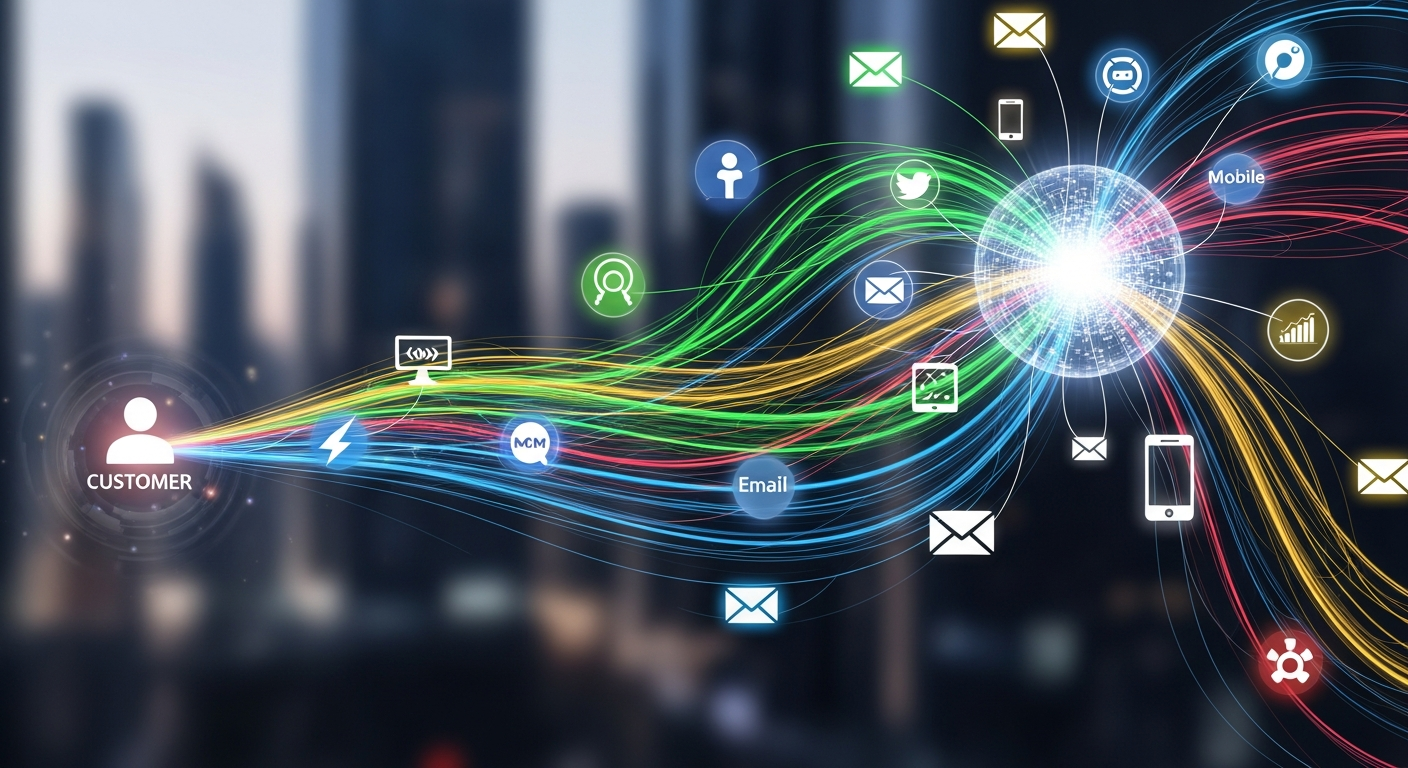 A multi-channel approach ensures your message reaches customers wherever they are. Integrating channels—like QR codes in print, social media amplification, and email follow-ups—creates a seamless customer journey. Consistency across channels builds trust, improves engagement, and drives conversions effectively.
Actionable Next Steps
When dealing with various platforms in marketing, don is a juggling act. We offer the exclusively whole shebang, crafting them all into coherent campaigns for example through integrating QR codes with the accompanying TV spots or TV spots combined with other elements online. These integrated campaigns carry on messages that are consistent, clear and compelling. Knowing where your customers are is the first step; your strategy must be tailored to engage them effectively.
If you want help creating a victory in multi-channel strategy, just let our team of marketing experts guide from strategy to execution thereof.
Conclusion
Selecting the right marketing communication channels is critical for reaching the right audience, delivering messages effectively, and driving engagement. Combining traditional, digital, relationship, and experiential channels ensures a holistic, integrated approach that maximizes brand impact and ROI.
Frequently Asked Questions (FAQs)
What are marketing communication channels?
Marketing communication channels are the platforms and tools that businesses use to deliver messages to their target audience. These can include traditional channels like TV, radio, and print, digital platforms such as social media and email, or relationship-based channels like chatbots and webinars. Selecting the right channels ensures your message reaches the right audience effectively.
Why are marketing communication channels important?
These channels determine how your audience perceives and interacts with your brand. Using the correct channel improves message clarity, engagement, and conversion rates. The wrong channel can lead to wasted resources and missed opportunities, while the right one builds trust and strengthens your brand presence.
Are traditional marketing channels still effective?
Yes. TV, radio, and print remain powerful for brand awareness campaigns, particularly for broad audiences or high-impact launches. Traditional channels create credibility, reach demographics less active online, and complement digital strategies for an integrated approach to marketing.
Which social media platforms work best for marketing?
It depends on your audience and business goals. Instagram and TikTok excel for younger, visual-focused audiences. LinkedIn is ideal for B2B engagement and professional networking, while Facebook offers broad reach and targeted advertising. Multi-platform strategies often yield the best results.
Why is email marketing still essential?
Email marketing nurtures leads, maintains customer relationships, and drives repeat purchases. By segmenting audiences and personalizing content, businesses can send targeted promotions, newsletters, and updates that resonate, increasing engagement and long-term customer loyalty.
How does video marketing benefit brands?
Video content captures attention more effectively than text or images alone. Platforms like YouTube, TikTok, and Instagram Reels allow brands to demonstrate products, tell stories, and provide tutorials. Videos increase engagement, improve brand recall, and can lead to higher conversion rates.
Is paid advertising worth investing in?
Yes. Pay-per-click (PPC) campaigns deliver immediate visibility by placing ads where your audience is searching. Paid advertising complements SEO and other channels, helps drive traffic, and ensures campaigns reach specific target demographics efficiently.
How do chatbots and messaging apps enhance communication?
Chatbots and messaging apps like WhatsApp and Messenger allow real-time customer support and engagement. They provide instant answers, reduce response times, and guide customers through sales funnels, improving overall satisfaction and brand experience.
What is the role of webinars and virtual events?
Webinars and virtual events allow direct interaction with audiences, helping brands establish authority and thought leadership. They are particularly effective for B2B marketing, product demonstrations, or educational sessions, and they strengthen audience trust and engagement.
Why are experiential marketing channels valuable?
Experiential channels like live events, sponsorships, and pop-up activations create memorable experiences. These offline interactions foster deep emotional connections with the brand, build trust, and encourage advocacy, complementing online campaigns for a holistic marketing approach.
How do I choose the right marketing channels?
Start by understanding your audience’s preferences, demographics, and behaviors. Align channels with campaign objectives, consider budget and ROI potential, and continuously test and track performance to refine your strategy. Prioritize channels that maximize reach and engagement for your goals.
Why should I integrate multiple marketing channels?
An integrated multi-channel strategy ensures consistent messaging, wider reach, and stronger brand recognition. Combining digital, traditional, and experiential channels enhances customer engagement, improves conversion rates, and allows each channel to support the others for maximum impact.