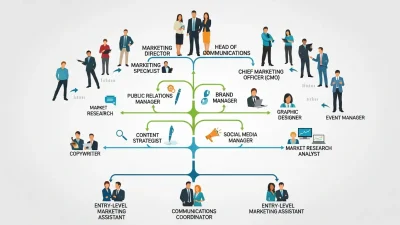


Marketing communication consultants help businesses craft consistent messaging, manage campaigns, and measure success. They provide expertise in strategy, content creation, crisis management, and multi-channel communication, ensuring brands connect effectively with audiences while optimizing ROI and business growth.
In the modern world of marketing, a combination of strategies, channels and messages is an intricate web. For businesses in search of the uniqueness that will elevate them above history into present-day relevance and put them securely into their niche to communicate with their audience effectively, the marketing communication consultant might be the magic bullet. But what exactly is such a person, and how can they help improve your business communications? From this blog article delving into their roles required skills and other positives they bring to the table–and then some. In terms of that, you’ll know precisely why Your Company needs one too!
What is a Marketing Communication Consultant?

As a marketing and communication consultant, these professionals are experts at connecting brands with their audiences. Rather than the generalist approach adopted by marketing consultants, they concentrate on creating and delivering powerful messaging in an eclectic range of media. Whether through advertising, social media, public relations or corporate communication schedules–their aim is to ensure that your content gets across to just the right people at just the right time. These skilled negotiators know exactly how to advise you? on media. In industry after industry! They’ve got experience at every level, from start-ups to established corporations. What they offer is pure gold: the combination of strategy with innovation, crystallized in a communication plan that augments your business goals. Learn more about
What does a Marketing Communication Consultant Do?
A marketing communication consultant wears many hats, making their roles dynamic and varied depending on the industry and specific client needs. Here are their primary roles and responsibilities:
Strategy Development
A significant part of their job involves creating comprehensive marketing communication strategies. This includes defining brand messaging, identifying target audiences, and deciding on the most effective communication channels. Through careful planning and analysis, consultants ensure that your campaigns achieve measurable results.
Content Creation
From eye-catching social media captions to detailed press releases, marketing communication consultants craft content that conveys your brand’s story. They focus on language, tone, and visuals to ensure that every message aligns with your brand identity.
Campaign Management
Once strategies and content are in place, consultants oversee campaign execution. They coordinate cross-functional teams and manage timelines, using tools like project management software to keep everything on track. Whether it’s a product launch or an awareness campaign, their role ensures seamless delivery.
Market Research and Analysis
Consultants rely on data-driven decision-making. By conducting audience research and monitoring trends, they can tailor strategies to meet market demands. Additionally, they track campaign performance metrics, gathering insights to optimize future efforts.
Crisis Communication
When unexpected situations arise, marketing communication consultants are equipped to handle them effectively. They create and implement crisis communication plans to minimize reputational damage and address customer concerns swiftly.
Liaison Between Teams
Consultants often act as intermediaries between marketing, sales, and customer service teams. Their ability to foster collaboration ensures unified messaging and improves the overall customer experience.
What Skills Do You Need to Be a Marketing Communication Consultant?
The role of a marketing communication consultant demands a diverse skill set, blending creativity, strategic thinking, and technical expertise. Here are the key skills that make a successful consultant:
Communication Skills
Unsurprisingly, strong verbal and written communication skills are paramount. Consultants must craft clear, persuasive messaging across various platforms while effectively conveying ideas to clients and team members.
Strategic Thinking
To create impactful campaigns, consultants need to think strategically. This means aligning marketing efforts with broader business objectives and adapting strategies based on data and market conditions.
Creativity
Creativity is the lifeblood of a consultant’s work. From brainstorming innovative campaign ideas to crafting compelling content, creativity sets outstanding marketing communication consultants apart.
Analytical Skills
Data analysis helps consultants understand market trends, audience behavior, and campaign performance. Proficiency in tools like Google Analytics, HubSpot, or other marketing platforms is often essential.
Adaptability
The business environment evolves constantly. Consultants must stay updated on industry changes and adjust strategies or campaigns to remain relevant and effective.
Relationship Building
Building trust and fostering strong relationships are key to collaboration. Marketing communication consultants often liaise with multiple teams, agencies, and vendors, requiring excellent interpersonal skills.
Time Management
With multiple projects often happening simultaneously, managing time effectively is crucial. Consultants juggle deadlines, deliverables, and client expectations with precision.
What are the Benefits of Hiring a Marketing Communication Consultant?

Wondering why businesses of all sizes hire marketing communication consultants? Here are some of the most compelling benefits:
Access to Expertise
Consultants bring specialized knowledge and experience to the table. Their expertise in messaging, branding, and market trends ensures a level of competency beyond what in-house teams might offer.
Increased Efficiency
With a consultant handling your communication strategy, your internal teams can focus on their core responsibilities. This division of labor leads to improved efficiency across the board.
Cost Savings
Hiring a full-time marketing expert can be expensive, especially for small businesses. A consultant provides the expertise you need on a project or part-time basis, reducing costs.
Fresh Perspective
Sometimes, internal teams can develop tunnel vision. A consultant brings a fresh set of eyes, uncovering new opportunities and offering innovative solutions.
Customized Strategies
Every business is unique. Consultants tailor strategies to suit your goals, ensuring that campaigns are as effective as possible.
Measurable Results
Marketing communication consultants track and evaluate performance metrics, providing clear insights into the success of your campaigns. This data-driven approach allows you to refine your future communication efforts.
Crisis Communication and Reputation Management
A marketing communication consultant prepares organizations for unexpected challenges or negative publicity. They develop crisis communication plans detailing steps to address issues quickly and transparently. By controlling messaging, timing, and channel choice, consultants minimize reputational damage. They advise on public statements, internal communication, and media responses. Rapid, strategic handling reassures stakeholders and maintains trust. In addition, consultants identify potential vulnerabilities before crises occur, creating preventive measures. Their expertise ensures businesses are prepared to handle issues calmly and professionally, safeguarding long-term brand reputation while maintaining stakeholder confidence.
Conducting Market Research and Analysis
Consultants rely heavily on data to inform communication strategies. They conduct market research to identify audience demographics, interests, and behaviors. Competitor analysis provides insight into industry trends, messaging opportunities, and gaps. Consultants also monitor campaign metrics, measuring engagement, conversion, and ROI. By interpreting data, they refine messaging, content strategies, and channel selection. Continuous analysis ensures campaigns remain relevant and effective in a constantly evolving marketplace. This data-driven approach allows businesses to make informed decisions, optimize resource allocation, and achieve measurable results with targeted communication efforts.
Building Strong Client and Team Relationships
Marketing communication consultants often serve as a liaison between internal teams, clients, and external agencies. They foster collaboration across departments, ensuring cohesive messaging and efficient execution. Their relationship management skills help resolve conflicts, align objectives, and streamline workflows. Consultants also communicate insights and recommendations effectively, building trust with stakeholders. By maintaining open communication and accountability, they enhance teamwork and promote successful campaign delivery. Strong interpersonal skills ensure that both internal and external parties are engaged, informed, and motivated to achieve marketing objectives.
Leveraging Technology in Marketing Communication
Consultants use a range of tools and platforms to enhance communication effectiveness. Project management software streamlines campaign execution, while analytics tools track performance. Social media management platforms schedule posts and monitor engagement. Marketing automation platforms allow personalized communication at scale, increasing efficiency and impact. Consultants stay up-to-date with emerging technologies, integrating AI, CRM tools, and analytics dashboards to optimize strategies. By combining technological expertise with strategic insight, consultants ensure campaigns are data-driven, measurable, and capable of adapting to dynamic market conditions.
Measuring and Reporting Campaign Success
A consultant ensures that every communication effort is measurable. They define KPIs aligned with business goals and track metrics such as engagement, conversion rates, brand awareness, and ROI. Regular reporting provides insights for continuous improvement. Consultants analyze which messages, channels, or content formats are most effective and adjust strategies accordingly. This data-driven approach allows clients to understand the value of campaigns, make informed decisions, and optimize resource allocation. Measuring and reporting performance ensures accountability, transparency, and the ongoing success of marketing communication initiatives.
Future Trends in Marketing Communication Consulting
The marketing landscape evolves rapidly, requiring consultants to stay ahead of trends. Emerging channels, AI-driven personalization, influencer marketing, and immersive media are reshaping communication strategies. Consultants must anticipate these changes and adapt campaigns to meet audience expectations. By embracing innovation, they help businesses remain competitive, relevant, and effective in their messaging. Staying future-ready ensures communication strategies not only perform well today but are sustainable in the long term, positioning businesses for growth and adaptability in a rapidly changing digital environment.
Why You Need a Marketing Communication Consultant

To achieve success in business you must continually adjust to changing consumer expectations Industry standards and digital developments. Without a dedicated marketing communication consultant in charge this can be quite a challenge. These people don’t just deliver more effective messages they also ensure that you business communicates well to others fosters good customer relationships and outshines competitors.
Using a consultant is like investing in your business growth for the long term. Whether you are launching a new product, dealing with a crisis or refining messages provides good overall return investment all round.
If you are serious about taking your marketing communications strategies to the next level, consider bringing a consultant on board today. Then see for yourself what we achieve together!
Conclusion
Hiring a marketing communication consultant elevates brand messaging, strengthens engagement, and drives measurable business results. Their strategic expertise, creativity, and adaptability ensure campaigns are efficient, effective, and future-ready, making them a vital partner for long-term growth.
FAQs: Marketing Communication Consultant
1. What is a marketing communication consultant?
A marketing communication consultant is a professional who specializes in connecting businesses with their target audience through strategic messaging, branding, and campaign planning. They ensure that all communications, from social media posts to press releases, align with brand identity. Beyond messaging, they analyze audience behavior, monitor market trends, and provide guidance on which channels and tactics will maximize engagement and conversions. These consultants act as strategic advisors, helping companies communicate clearly and effectively while maintaining consistency across campaigns and media platforms. Their goal is to ensure that every interaction strengthens the brand’s reputation and resonates with the audience.
2. Why should I hire one?
Hiring a marketing communication consultant provides businesses with expert guidance that saves time, reduces trial-and-error, and improves ROI. They bring fresh perspectives, uncovering gaps that in-house teams may overlook. Consultants combine strategy, creativity, and analytics to craft impactful campaigns, manage cross-functional teams, and optimize content for multiple channels. They can also provide temporary or project-based expertise, making them cost-effective compared to full-time hires. By delivering measurable results, from engagement metrics to conversion rates, they help businesses make informed decisions and achieve marketing objectives efficiently, whether it’s a product launch, rebranding, or crisis management.
3. What industries need consultants?
Marketing communication consultants are valuable across virtually every industry. Startups benefit from guidance in building brand identity and establishing market presence. Established corporations use consultants to refine messaging, launch new products, or manage multi-channel campaigns. Consultants are particularly helpful in industries with competitive markets, complex regulations, or frequent public scrutiny, such as technology, healthcare, finance, and consumer goods. Additionally, sectors like hospitality, education, and nonprofits leverage consultants to improve audience engagement and storytelling. Essentially, any business aiming to maintain a consistent, strategic, and professional communication strategy can benefit from consulting expertise.
4. Do they handle content creation?
Yes. Marketing communication consultants often create or oversee high-quality content tailored to brand goals and audience needs. This includes blog articles, press releases, email newsletters, social media posts, videos, infographics, and website content. They ensure that content maintains brand tone, style, and messaging consistency. Consultants also align content with marketing objectives such as lead generation, awareness, or customer retention. Many collaborate with in-house teams or freelancers to optimize quality and distribution. By producing content strategically, consultants help businesses communicate more effectively, build trust with audiences, and drive measurable engagement and conversions.
5. Can they manage crises?
Absolutely. Consultants are trained in crisis communication, helping businesses respond effectively to unexpected events such as negative publicity, social media backlash, or product issues. They create detailed crisis plans that outline messaging, communication channels, stakeholder engagement, and timing. During a crisis, consultants guide leadership on statements, media relations, and customer communication to minimize reputational damage. By handling crises professionally and proactively, they help maintain trust with customers, employees, and stakeholders. Their expertise ensures that the business responds calmly, transparently, and strategically, turning potential challenges into opportunities for strengthening credibility.
6. Are consultants cost-effective?
Yes. Hiring a marketing communication consultant is often more cost-effective than employing a full-time specialist, especially for small and medium-sized businesses or temporary projects. Consultants can be hired on a project, hourly, or part-time basis, allowing businesses to access expert guidance without long-term payroll commitments. They also improve efficiency by streamlining campaigns, reducing trial-and-error costs, and focusing efforts on high-impact strategies. By bringing expertise, strategic insight, and measurable results, consultants can save businesses both time and money, while delivering outcomes comparable to or exceeding what a full-time in-house team might achieve.
7. Do they track performance metrics?
Yes. Marketing communication consultants use analytics to track campaign performance, audience engagement, conversions, and ROI. They define key performance indicators (KPIs) aligned with business goals, such as website traffic, email open rates, social engagement, or lead generation. Tools like Google Analytics, HubSpot, and social media insights enable consultants to monitor results in real-time. By analyzing data, they identify what works, what needs adjustment, and how to optimize future campaigns. This data-driven approach ensures that communication efforts are measurable, accountable, and continually improved to achieve better outcomes.
8. Do they collaborate with internal teams?
Absolutely. Consultants act as intermediaries between marketing, sales, PR, and management teams, fostering collaboration and ensuring consistent messaging. They align objectives, streamline workflows, and resolve communication gaps across departments. This collaboration improves campaign efficiency and ensures that all stakeholders are informed and coordinated. By working closely with internal teams, consultants can integrate strategies with existing business processes, making campaigns more effective and reducing miscommunication. Their role enhances internal communication while driving external messaging that is consistent, professional, and impactful.
9. What skills are essential?
Key skills include strategic thinking, creativity, communication, analytical ability, adaptability, relationship management, and time management. Strategic thinking allows consultants to align campaigns with business goals. Creativity helps develop compelling content and campaigns. Strong communication ensures messaging is clear and persuasive. Analytical skills enable data-driven decisions, while adaptability keeps strategies relevant in a rapidly changing market. Relationship management allows effective collaboration with teams and stakeholders, and time management ensures deadlines and deliverables are met. These skills collectively ensure that consultants deliver high-quality, effective marketing communication.
10. How do they handle social media?
Consultants develop and manage social media strategies tailored to business goals. They plan content calendars, schedule posts, optimize copy, visuals, and hashtags, and track engagement metrics. By analyzing audience behavior, they determine the best platforms and posting times to maximize reach and conversions. Consultants also implement paid campaigns, retargeting, and influencer collaborations when needed. Their approach ensures social media efforts align with overall brand strategy, maintaining consistency, increasing visibility, and driving measurable results. Social media management by a consultant combines strategy, creativity, and data analysis for optimized performance.
11. Can they improve brand consistency?
Yes. Maintaining consistent messaging, tone, visuals, and storytelling across all channels is a primary role of a consultant. They ensure that content, campaigns, and communications reflect the brand’s identity, values, and voice. Consistency builds trust with customers, strengthens brand recognition, and improves overall marketing effectiveness. Consultants also create brand guidelines and provide teams with templates, style guides, and communication protocols to maintain uniformity. By aligning every touchpoint with the brand, they prevent mixed messages and enhance customer perception, making the brand more credible and memorable.
12. Do they help with future trends?
Yes. Consultants stay updated on emerging trends such as AI-driven personalization, influencer marketing, content automation, interactive media, and evolving consumer behaviors. They integrate these trends into campaigns to maintain relevance, competitiveness, and innovation. By anticipating changes in digital platforms, consumer expectations, and market conditions, consultants ensure that businesses adapt quickly and effectively. Their forward-looking approach positions companies to leverage new opportunities, optimize communication strategies, and remain ahead of competitors. Consultants help businesses future-proof their marketing communication for long-term growth and sustainability.