


Launch Marketing Communication is the backbone of a successful product debut. By crafting clear messages, using the right channels, and engaging your audience through storytelling and interactive content, you can boost adoption, loyalty, and brand visibility. Monitoring results ensures continuous improvement for future launches.
Launching a new product is always a high-stakes endeavor, and the way you communicate that launch can determine its success or failure. Launch Marketing Communication is not just about spreading awareness—it’s about carefully planning each touchpoint, engaging the right audience, and delivering consistent, compelling messaging that inspires action. From crafting persuasive messages to selecting the right channels and monitoring results, every step contributes to the product’s market impact. Below are ten common questions marketers and business owners ask when planning a product launch, along with actionable answers to guide your strategy.
Mastering Launch Marketing Communication
For marketing managers, introducing a brand-new product is both exhilarating and challenging. The excitement of unveiling something innovative is often matched by the pressure to ensure the launch succeeds. Success doesn’t depend solely on the product itself—it hinges on how effectively it is communicated. Launch Marketing Communication is the backbone of any high-impact product debut. A well-structured communication strategy does more than raise awareness; it generates anticipation, drives adoption, and fosters long-term customer loyalty. Every interaction, whether online or offline, contributes to shaping the audience’s perception and influences their decision-making.
Understanding Launch Marketing Communication allows marketing teams to strategically plan each touchpoint throughout the customer journey. From the initial teaser post on social media to post-launch follow-ups, every message, visual, and campaign element must resonate with the target audience while reflecting the brand’s values and identity. Effective launch communication considers not only what the brand says but also how, when, and where it is delivered. This meticulous planning ensures the product story is compelling, consistent, and memorable, ultimately enhancing both brand equity and market performance.
Crafting a Clear and Convincing Message

The foundation of effective launch communication lies in a well-defined message. Before creating emails, social media posts, advertisements, or press releases, marketing managers must clarify what they want the audience to know, feel, and do. A strong message answers three critical questions:
- What problem does this product solve for customers? Products that solve real pain points resonate more effectively, creating an immediate sense of relevance.
- How is this product different from existing solutions? Highlighting unique selling propositions (USPs) helps your product stand out in a crowded market.
- Who is the ideal customer, and why should they care? Defining the target audience ensures your messaging is tailored, relevant, and persuasive.
Answering these questions ensures that all launch communication efforts—social media posts, email campaigns, press releases, or paid advertisements—are anchored in a clear, consistent, and compelling message. It prevents fragmented communication and ensures that every touchpoint contributes to the overarching launch narrative.
Highlight Key Advantages
Instead of simply listing features, emphasize the tangible benefits your product delivers. Customers want to understand how a product can make their lives better or solve specific problems. For example, a fitness gadget might not only track steps but also provide personalized health insights and motivate lifestyle changes. By highlighting such advantages, marketing managers ensure that every communication reinforces the value proposition and positions the product as a must-have solution.
Communicating benefits effectively also involves showing practical applications through case studies, demonstration videos, or testimonials. This approach deepens the audience’s understanding and builds confidence in the product, making every piece of launch communication more persuasive and actionable.
Keep It Simple
Clarity and simplicity are key. Overly technical or complex messaging can confuse your audience and dilute the impact of your launch. Use concise language, visual aids, and the “rule of three” to focus on the three most compelling benefits or differentiators. Break down technical jargon into easy-to-understand concepts.
For instance, instead of saying, “This software integrates multiple AI-driven algorithms for real-time predictive analytics,” you could say, “Get instant insights and smarter decisions with our AI-powered software.” Simple, relatable messaging ensures your audience quickly grasps the product’s value, increasing engagement and adoption rates.
Match the Voice and Style of Your Brand
Consistency across all channels is critical. Your brand’s voice should be uniform, whether you’re sending emails, creating social media content, writing press releases, or conducting webinars. This includes tone, style, visuals, and even the pace of communication.
Cohesive branding strengthens trust and recognition. For example, a premium lifestyle brand should maintain elegant, aspirational visuals and messaging across all launch touchpoints, while a playful consumer tech brand might adopt a more casual, energetic tone. Aligning the style and voice ensures that your launch communication feels authentic, professional, and fully representative of your brand identity.
Integrating These Principles
Combining clear messaging, key benefits, simplicity, and consistent voice creates a launch communication framework that is both strategic and actionable. Each message reinforces the product’s story, resonates with the audience, and strengthens the overall brand perception. By meticulously crafting your launch communication strategy, you ensure that every email, post, ad, and interaction contributes to building anticipation, driving adoption, and establishing long-term loyalty.
Choosing the Right Channels for Launch Marketing Communication
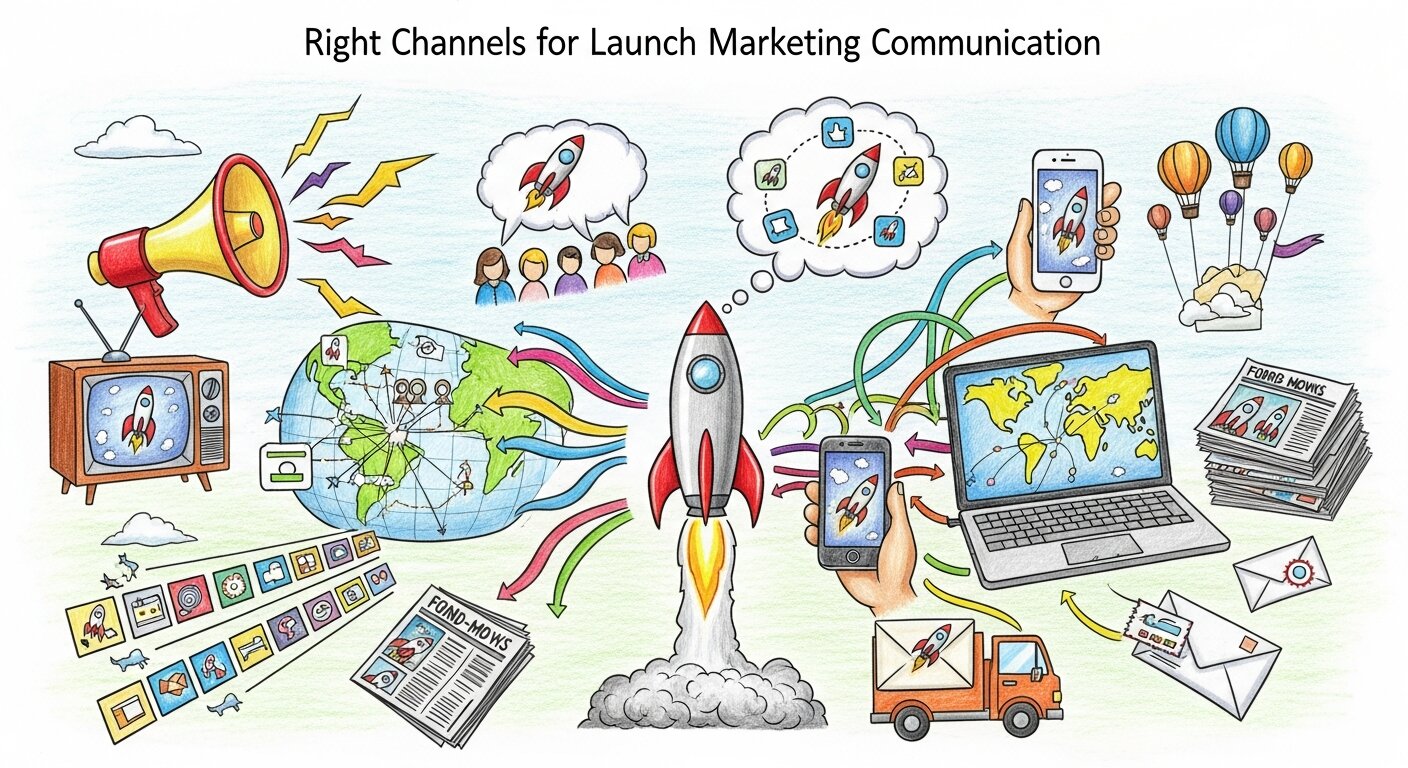
Choosing the right platforms is one of the most critical aspects of any successful product launch. Different channels serve different purposes, and using a combination of them ensures maximum reach, engagement, and impact. Effective launch marketing communication doesn’t just involve posting content—it requires understanding how your audience interacts with each platform and tailoring your messages accordingly.
Social Media
Social media platforms are powerful tools for building anticipation and generating buzz before, during, and after a product launch. Each platform offers unique features that can amplify your message:
- Instagram: Ideal for visually driven campaigns. Use sneak peeks, reels, behind-the-scenes content, and countdown posts to tease product features. Highlight user-generated content to show real-life applications of your product. Story polls and Q&A stickers increase engagement and give valuable feedback about customer preferences.
- Twitter/X: Perfect for real-time updates and micro-content. Bite-sized announcements, GIFs, and branded hashtags can generate conversations and trend momentum. Engage with your audience by responding quickly to questions and retweeting positive mentions.
- LinkedIn: Essential for B2B product launches. Share thought leadership articles, detailed product insights, case studies, and professional videos to position your brand as an industry authority. LinkedIn live events or webinars can create meaningful interactions with decision-makers.
- TikTok/YouTube Shorts: For younger demographics, short-form videos can demonstrate features, showcase tutorials, or deliver entertaining content to drive shares and organic growth.
When using social media, plan a content calendar with pre-launch, launch, and post-launch phases to maintain consistent messaging. Engaging visuals, interactive features, and storytelling make your communication more memorable.
Email Marketing
Email remains one of the most effective tools for direct, personalized communication. Segment your audience based on demographics, past purchases, or engagement behavior to deliver targeted messages.
Tips for effective email-based launch marketing communication:
- Include eye-catching visuals of the product.
- Highlight key benefits clearly at the top of the email.
- Use personalized subject lines and greetings to increase open rates.
- Include strong calls-to-action (CTAs) directing recipients to product pages, demos, or sign-ups.
- Schedule emails strategically: pre-launch teasers, launch-day announcements, and post-launch follow-ups.
Email campaigns are particularly effective because they allow for measurable outcomes such as open rates, click-through rates, and conversion tracking, helping you refine future launch strategies.
Press Releases
Press releases remain a critical part of professional launch marketing communication. They help secure earned media coverage, generate credibility, and amplify your message.
- Craft a compelling headline that highlights the product’s unique value.
- Include key details such as release date, pricing, availability, and primary benefits.
- Add quotes from company leadership or influencers to humanize your launch.
- Distribute through reputable PR channels, media outlets, and industry blogs to reach journalists and opinion leaders.
A well-executed press release positions your product as noteworthy, extends reach, and reinforces brand authority.
Paid Advertising
Paid advertising complements organic efforts by ensuring your message reaches your target audience efficiently. Platforms such as Google Ads, Facebook Ads, Instagram Ads, and LinkedIn Ads allow for precise targeting:
- Use audience segmentation to reach specific demographics, locations, or behaviors.
- Retarget users who have visited your landing page or interacted with your content.
- Test different ad formats, including carousel ads, video ads, and interactive polls.
- Monitor engagement and conversion metrics to optimize campaigns in real time.
Paid campaigns increase visibility, urgency, and conversions while reinforcing messages across other channels.
Your Website and Landing Pages
Your website often serves as the central hub for all launch communication. A dedicated product landing page allows potential customers to learn about your product, watch demo videos, and complete purchases or sign-ups.
Best practices include:
- Use high-quality images and videos to visually communicate features and benefits.
- Include clear, concise messaging and a compelling headline.
- Optimize the page for SEO with targeted keywords related to your product.
- Include social proof such as testimonials, reviews, or case studies.
- Provide clear navigation and calls-to-action, directing users toward purchases, sign-ups, or inquiries.
A well-structured landing page ensures that all your launch communication efforts funnel toward meaningful engagement and measurable results.
Creating a Launch Timeline
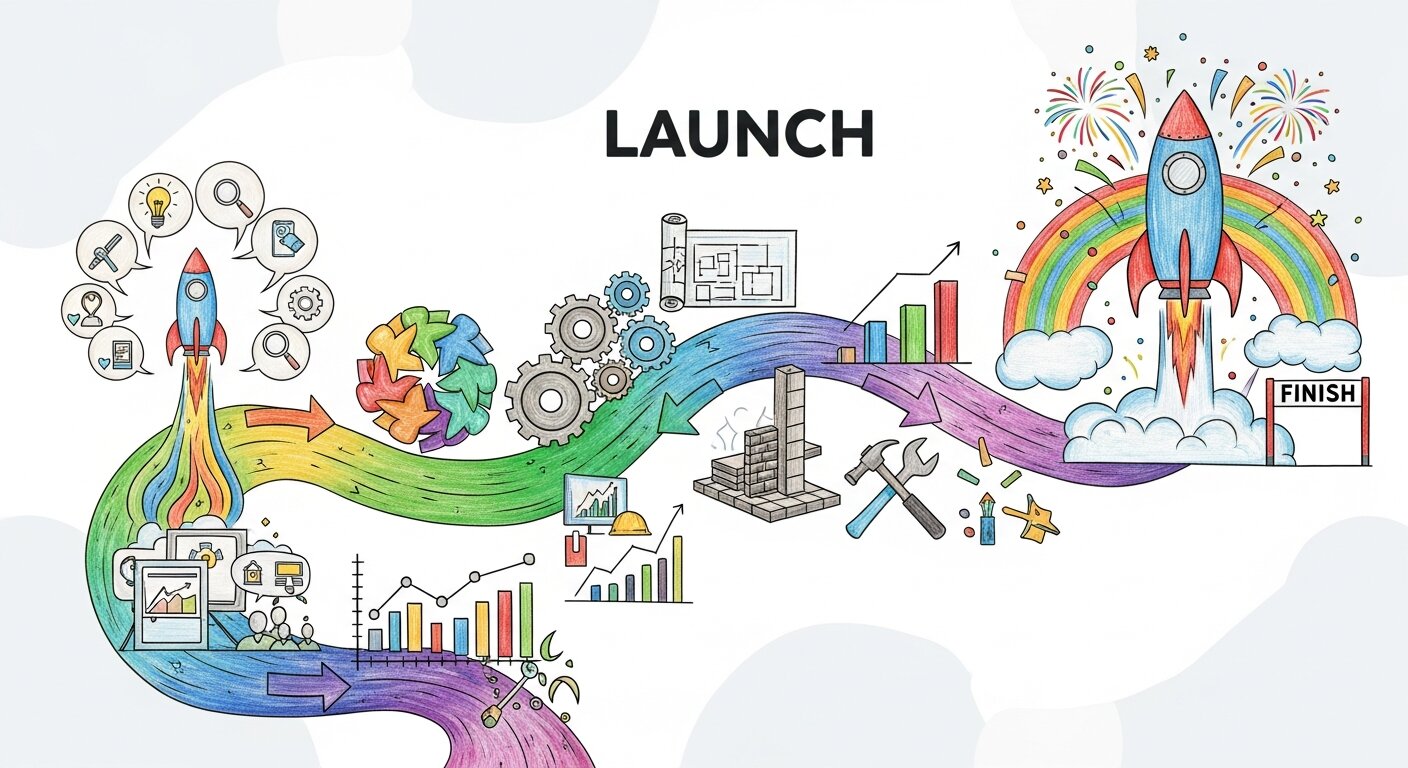
Timing and structure are crucial for effective launch marketing communication. Breaking the campaign into phases ensures coordinated messaging and sustained audience interest.
Pre-Launch Phase
- Tease the product value through headlines, social media posts, and countdowns.
- Offer early bird discounts or sign-ups to generate excitement.
- Release sneak-peek videos, behind-the-scenes content, or limited previews to select audiences.
- Engage your audience with interactive polls, surveys, or teaser contests to build anticipation.
Launch Phase
- Share full product details, features, and benefits across all platforms.
- Highlight user-generated content, early reviews, and testimonials.
- Conduct live demos, webinars, or launch events to provide direct engagement opportunities.
- Encourage social sharing to extend reach organically.
Post-Launch Phase
- Publish customer reviews, case studies, and FAQs to maintain interest.
- Offer limited-time promotions, bundles, or loyalty programs to sustain engagement.
- Collect and analyze feedback to inform future campaigns and refine communication strategy.
- Continue storytelling with follow-up content, highlighting how the product solves real customer problems.
Structured timing ensures that your audience remains engaged throughout the launch journey and that each communication touchpoint reinforces your overall message.
The Power of Storytelling
Storytelling is a powerful tool in launch marketing communication. Facts alone can inform, but stories engage and inspire action.
- Origin Story: Share how the product was conceived and developed. Behind-the-scenes stories humanize the brand and create emotional resonance.
- Customer Experiences: Highlight real-life testimonials or case studies demonstrating the product’s impact. Authentic stories build trust and credibility.
- Visual Storytelling: Use videos, infographics, or images to communicate the product narrative. Showing people using the product helps audiences relate and visualize its benefits.
Storytelling ensures your communication is memorable, relatable, and more likely to convert prospects into loyal customers. By combining narrative elements with clear messaging and well-chosen channels, every aspect of your launch becomes part of a cohesive, compelling story.
Involving Customers and Building a Community
Customer engagement strengthens your launch. Interactive elements are essential to Launch Marketing Communication:
- Interactive Content: Use polls, quizzes, and surveys to understand preferences
- User-Generated Content: Encourage customers to share experiences using branded hashtags
- Feedback Response: Respond actively to comments, questions, and suggestions during the launch
Building community amplifies your Launch Marketing Communication, fostering brand loyalty and advocacy.
Monitoring Communication Success
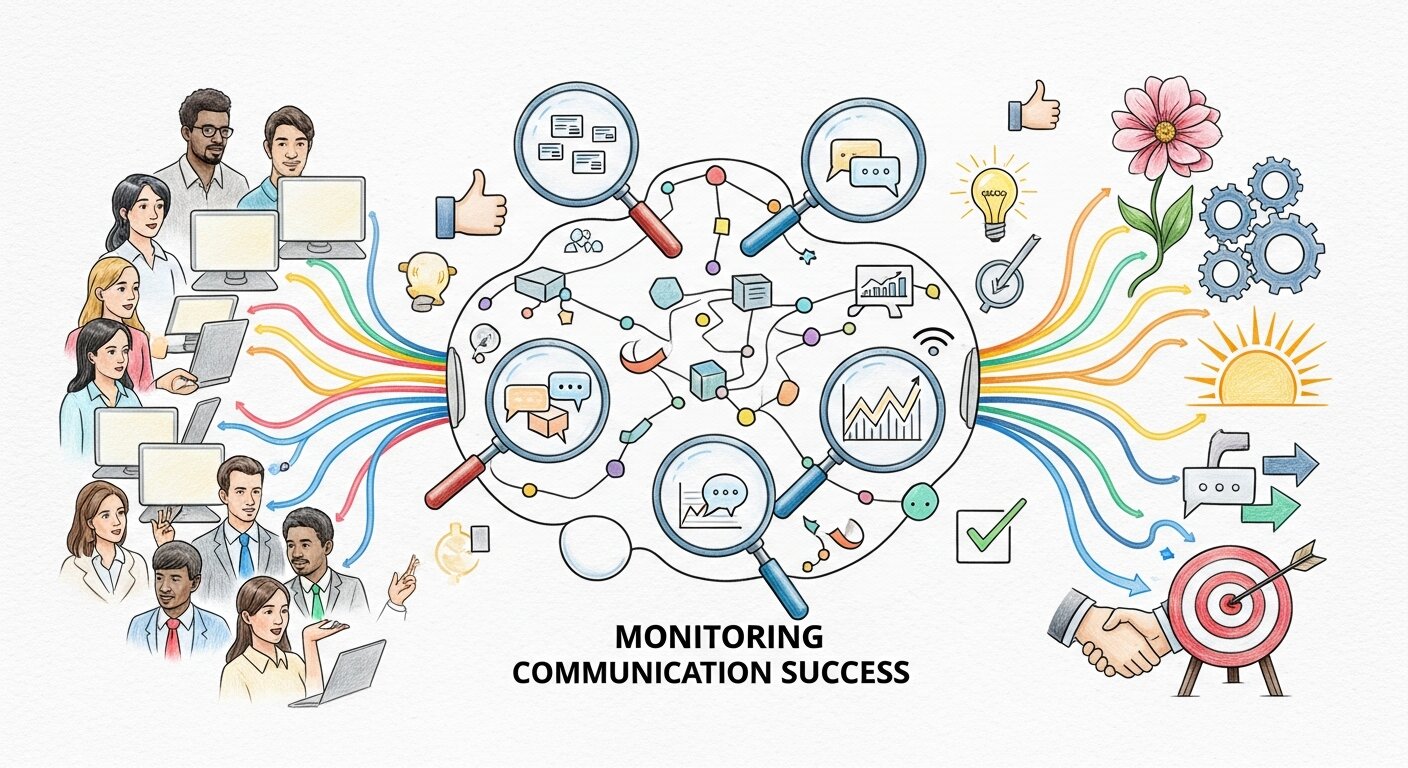
Tracking the results of your Launch Marketing Communication allows you to refine strategies for future launches:
- Social Media: Engagement rates, hashtag performance, and clicks
- Email: Open rates, click-through rates, and conversions
- Sales Data: Revenue or units sold post-launch
- Customer Feedback: Surveys, reviews, and testimonials
Data-driven insights enhance the effectiveness of your Launch Marketing Communication, ensuring continuous improvement.
Elevate Your Next Product Launch
A strong Launch Marketing Communication strategy transforms a product debut into a major event. From crafting a clear message to inspiring audience participation, each step matters.
Whether you are managing a startup or an established enterprise, a well-executed Launch Marketing Communication plan ensures every message, channel, and touchpoint reinforces your brand. With careful planning, storytelling, and audience engagement, your launch can achieve maximum visibility, adoption, and long-term loyalty.
If you are planning a new product launch and need professional assistance, don’t hesitate to reach out. Our tailored strategies in Launch Marketing Communication ensure your product debut receives the attention, excitement, and results it deserves
frequently asked questions
What is Launch Marketing Communication?
Launch Marketing Communication is the strategic process of promoting a new product or service to the target audience, using coordinated messaging across multiple channels to create awareness, drive adoption, and build long-term customer loyalty. Understanding how this differs from general messaging is key marketing vs communications explained helps clarify why strategic communication is critical during a product launch.
Why is Launch Marketing Communication important?
It ensures your product reaches the right audience with the right message at the right time. Effective communication maximizes engagement, strengthens brand perception, and increases conversion rates.
Which channels are most effective for a product launch?
A combination works best: social media (Instagram, Twitter/X, LinkedIn, TikTok), email marketing, press releases, paid advertising, and your website or landing page. Each serves a unique purpose in amplifying your message.
How do I craft a clear launch message?
Focus on three key aspects: the problem your product solves, what makes it unique, and why your target audience should care. Emphasize benefits over features and keep messaging concise.
What role does storytelling play in Launch Marketing Communication?
Stories engage emotions, build trust, and make your product memorable. Share origin stories, customer experiences, and visually rich content to create connection and credibility.
How can I involve customers in the launch?
Encourage user-generated content, run interactive polls and quizzes, and respond actively to feedback. Involving customers builds community, loyalty, and advocacy.
How should I structure the launch timeline?
Divide your launch into three phases: pre-launch (teasers, countdowns), launch (product features, demos, events), and post-launch (reviews, promotions, follow-ups). Each phase reinforces your messaging and sustains engagement.
How can I measure the success of my launch communication?
Track social media engagement, email open and click-through rates, sales/revenue data, and customer feedback. Metrics help refine your strategy for future launches.
What common mistakes should be avoided?
Avoid unclear messaging, inconsistent brand voice, ignoring feedback, and neglecting follow-ups. Ensure all touchpoints reinforce a consistent and compelling launch story.
Can small businesses implement Launch Marketing Communication effectively?
Yes. Even with limited resources, careful planning, creative storytelling, and leveraging affordable channels like social media and email can deliver impactful results comparable to larger campaigns