


A Marketing Communication Policy provides clear guidelines that ensure your brand messaging remains consistent, strategic, and compliant across every platform. By aligning communication with business goals and brand values, it strengthens customer trust, improves internal efficiency, and safeguards your reputation. When properly implemented, it becomes a powerful driver of sustainable growth, helping your business build credibility, loyalty, and long-term success.
In today’s competitive and fast-moving business environment, communication is more than just promotional messaging—it is a strategic function that shapes how customers perceive your brand. A well-defined Marketing Communication Policy plays a critical role in guiding how organizations present themselves across digital platforms, traditional media, and direct customer interactions. It ensures that every message—whether a social media post, email campaign, advertisement, or press release—reflects the same voice, values, and objectives.
For startups, a structured policy builds credibility and consistency from the very beginning. For established businesses, it refines brand positioning and strengthens customer relationships. Beyond branding, it improves operational efficiency, reduces compliance risks, and enhances overall performance. When communication is intentional and aligned with strategic goals, it becomes a powerful driver of trust, loyalty, and sustainable growth.
What is Marketing Communication Policy?
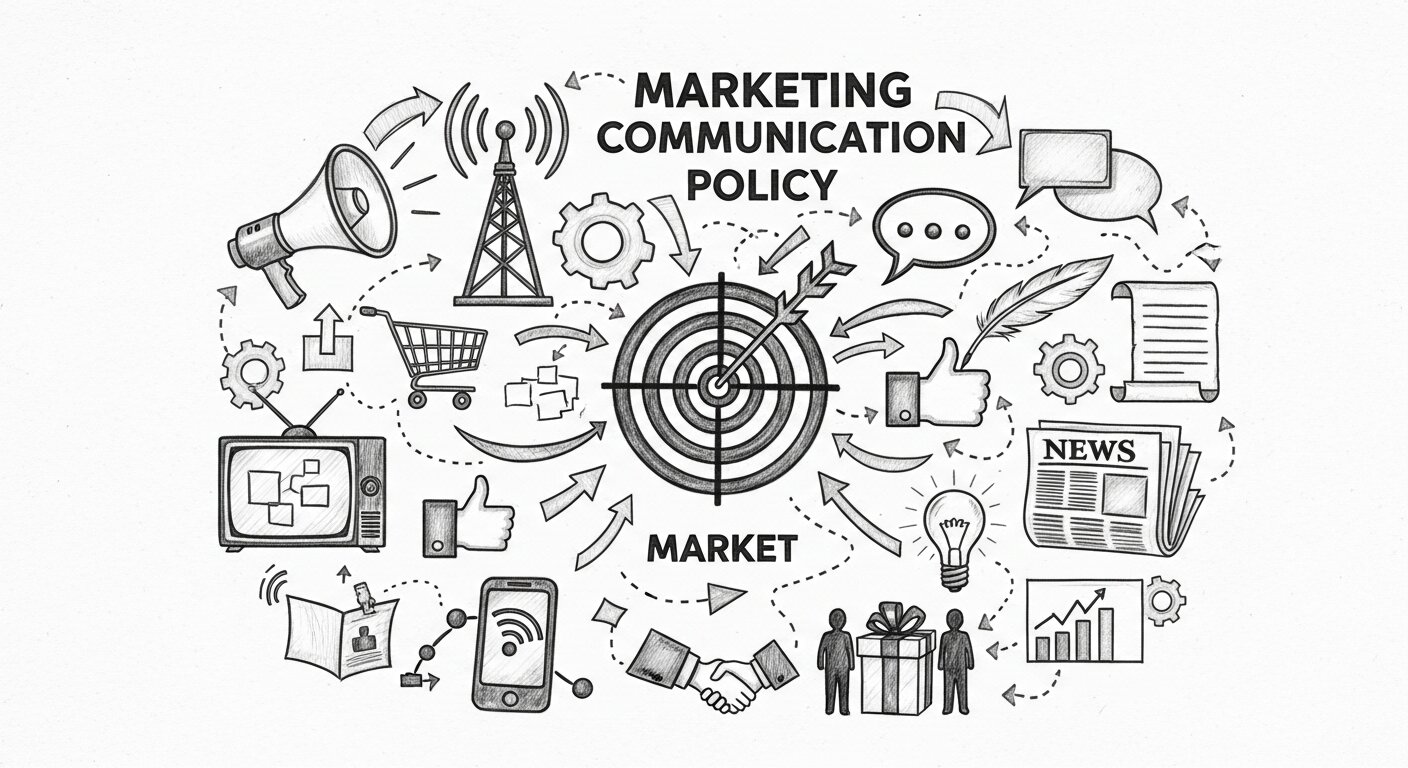

Key Components of a Marketing Communication Policy

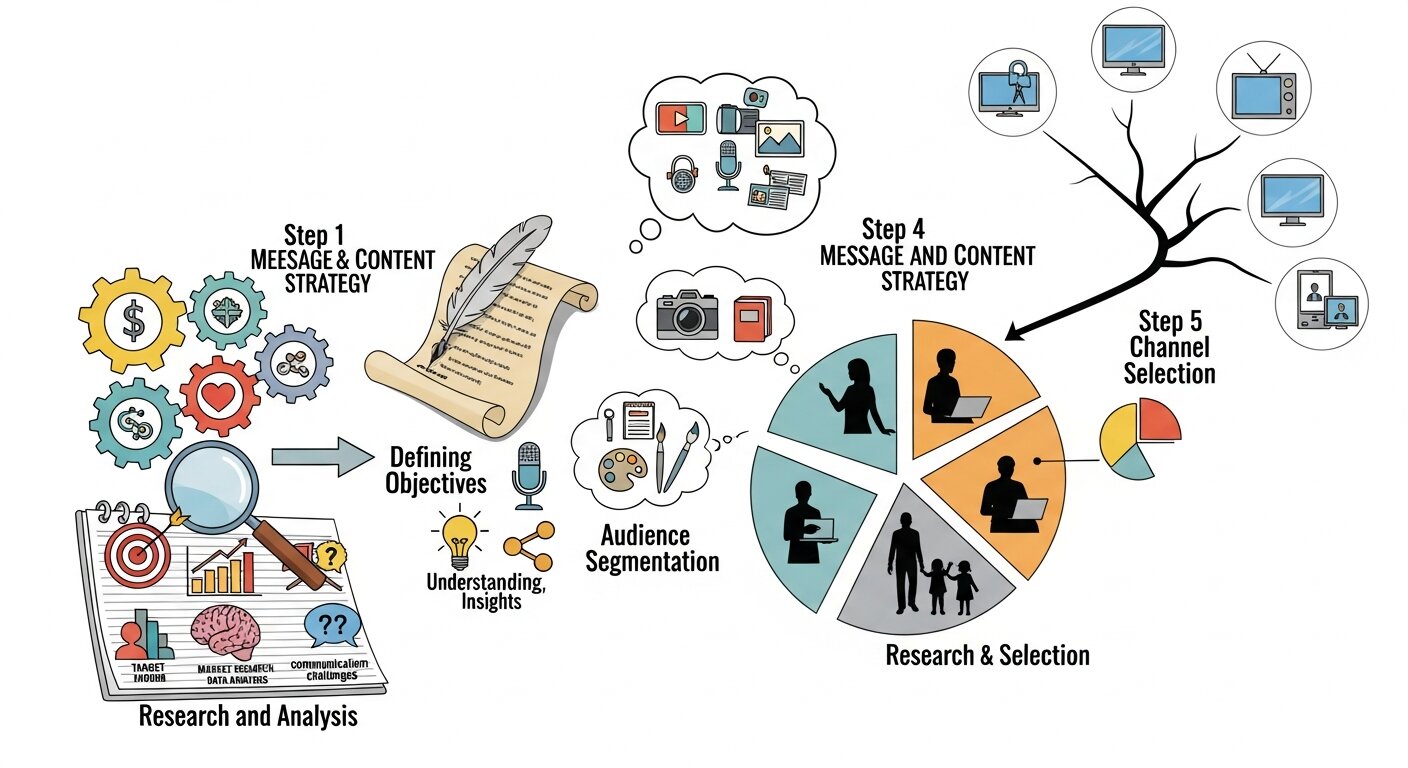
Audit Your Current Communication Efforts
Before building anything new, you need to understand what already exists. Conduct a comprehensive review of all your current communication channels and materials.
Evaluate:
- Website copy and landing pages
- Social media posts and engagement style
- Email campaigns and newsletters
- Paid advertisements
- Press releases and public statements
- Customer service scripts and responses
Look for inconsistencies in tone, messaging, visuals, or calls-to-action. Are different departments communicating in different voices? Are there outdated brand messages still being used? Identify strengths as well—what’s working well should be preserved and refined.
This audit provides a realistic baseline and ensures your new policy addresses actual weaknesses rather than assumptions.
Align with Your Business Goals
Your communication policy must directly support your broader business objectives. Communication is not an isolated function—it’s a strategic tool that drives measurable outcomes.
For example:
- If your goal is brand awareness, focus on consistent storytelling and high-visibility platforms.
- If your goal is lead generation, emphasize persuasive messaging and optimized calls-to-action.
- If your goal is customer retention, prioritize personalized and relationship-focused communication.
When communication strategies align with business goals, every campaign becomes purposeful and performance-driven rather than reactive.
Document Your Guidelines Clearly
Once your direction is clear, formalize your standards in a structured document. This document should serve as a practical reference guide for anyone involved in communication.
Include:
- Brand voice and tone descriptions with examples
- Messaging pillars and key value propositions
- Content formatting standards
- Visual branding rules (logo usage, color palettes, typography)
- Social media do’s and don’ts
- Approval workflows and content review processes
- Legal and compliance considerations
Clarity is critical. Avoid overly complicated language. A well-organized, easy-to-navigate document encourages consistent usage across teams.
Train and Align Your Team
A communication policy only works when it is actively understood and applied. Conduct training sessions to walk your team through the guidelines and explain the reasoning behind them.
Training should include:
- Real-world examples of approved messaging
- Role-playing exercises for customer interactions
- Crisis communication simulations
- Hands-on practice using brand templates
Encourage collaboration and feedback. When employees understand not just the “what” but also the “why,” they are more likely to implement the policy effectively.
Use the Right Tools and Systems
Technology plays a vital role in maintaining consistency and efficiency. The right tools help automate processes, centralize assets, and track performance.
Consider implementing:
- Social media scheduling platforms for consistent posting
- Email automation software for segmented campaigns
- Brand asset management systems for storing approved logos and templates
- Analytics dashboards for tracking engagement, conversions, and ROI
Using structured systems reduces human error and ensures your messaging remains aligned across all channels.
Review, Measure, and Improve Regularly
Communication strategies must evolve with changing customer behavior, market trends, and technological advancements. Schedule regular reviews—at least annually, if not quarterly—to assess effectiveness.
During reviews:
- Analyze engagement and conversion data
- Gather team feedback on implementation challenges
- Update messaging to reflect new goals or products
- Refine crisis response protocols if necessary
Continuous improvement keeps your communication relevant and competitive.
How a Strong Communication Policy Can Grow Your Business
When implemented effectively, a communication policy becomes a growth engine rather than just a compliance tool. It strengthens every interaction your brand has with its audience.
Builds Emotional Connection
A clearly defined tone and consistent messaging make your brand relatable. Customers feel they “know” your brand, which increases emotional attachment and loyalty.
Strengthens Brand Recognition
Repetition of consistent visuals, language, and messaging reinforces brand identity. Over time, this familiarity builds credibility and trust.
Protects Your Reputation
Defined crisis communication protocols ensure your responses are timely, transparent, and professional. This prevents minor issues from escalating into major reputation damage.
Increases Operational Efficiency
Clear guidelines eliminate confusion, reduce revisions, and speed up content production. Teams work faster and more confidently.
Drives Higher Engagement and Conversions
When the right message consistently reaches the right audience through the right channels, engagement improves—and so do sales and customer retention.
Make Marketing Communication Work For You
It may take time and sweat to craft a marketing communication policy, but the payoff is worth it. Communication that is clear, consistent and engaging is the basis upon which trust and loyalty are built. And businesses cannot thrive without both. Whether you’re just starting out or hoping to refine what you have already set up, the advice in this book makes it easy to get going. Get into itHow to produce a marketing communication policy that reflects your brandGet more tips or seek expert assistance today as to how to produce a marketing communication policy that reflects your brand. Your brand voice and messages need to sound with such certitude in every word for sure.

