

Understanding Marketing Communication Policy and Why It Matters

Understanding Marketing Communication Policy and Why It Matters

A Marketing Communication Policy provides clear guidelines that ensure your brand messaging remains consistent, strategic, and compliant across every platform. By aligning communication with business goals and brand values, it strengthens customer trust, improves internal efficiency, and safeguards your reputation. When properly implemented, it becomes a powerful driver of sustainable growth, helping your business build credibility, loyalty, and long-term success.

In today’s competitive and fast-moving business environment, communication is more than just promotional messaging—it is a strategic function that shapes how customers perceive your brand. A well-defined Marketing Communication Policy plays a critical role in guiding how organizations present themselves across digital platforms, traditional media, and direct customer interactions. It ensures that every message—whether a social media post, email campaign, advertisement, or press release—reflects the same voice, values, and objectives.

For startups, a structured policy builds credibility and consistency from the very beginning. For established businesses, it refines brand positioning and strengthens customer relationships. Beyond branding, it improves operational efficiency, reduces compliance risks, and enhances overall performance. When communication is intentional and aligned with strategic goals, it becomes a powerful driver of trust, loyalty, and sustainable growth.

What is Marketing Communication Policy?
Marketing Communication Policy
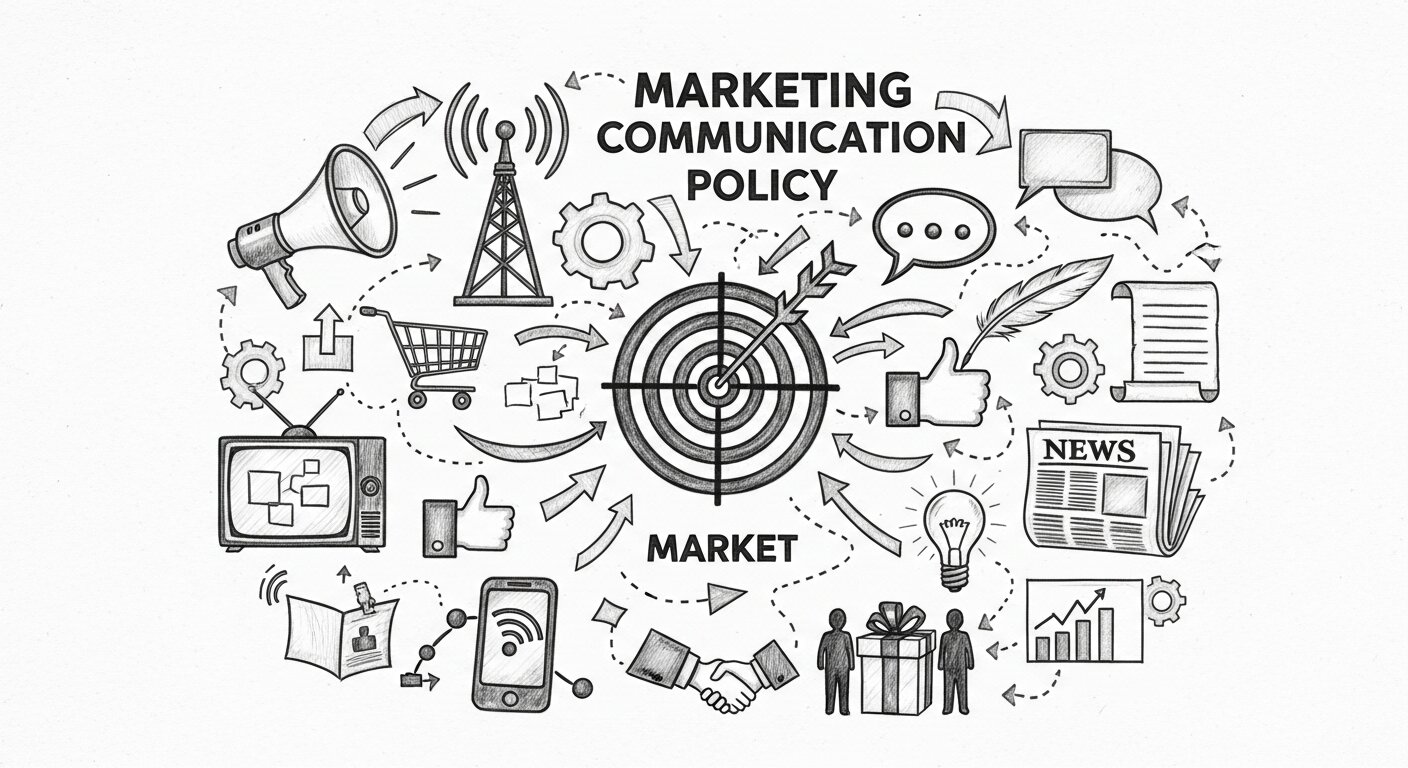
A Marketing Communication Policy is a structured set of guidelines that defines how a company communicates with its target audiences across various media channels. It serves as a strategic framework that ensures all marketing messages align with the organization’s overall objectives, brand identity, and core values. By clearly outlining standards for communication, a Marketing Communication Policy helps maintain consistency in tone, messaging, and visual presentation across every touchpoint—whether digital, print, or face-to-face interactions.

Think of it as the “rules of engagement” for the marketing team and other departments involved in external communication. It establishes not only what can be communicated, but also how, when, and where it should be delivered. From social media posts and email campaigns to press releases and advertising materials, every message should reflect the same brand voice and positioning. Once these principles are clearly defined, businesses can ensure their communications remain professional, strategic, and aligned with long-term goals.

A well-developed Marketing Communication Policy also clarifies roles and responsibilities within the organization. It identifies who approves content, who manages different communication channels, and how crisis communication should be handled. This prevents miscommunication, reduces errors, and protects the company’s reputation. In today’s fast-paced digital environment—where a single message can spread globally within minutes—having a clear communication structure is more important than ever.

Why is Marketing Communication Policy Important?

Marketing Communication Policy Important
Here’s why having a well-thought-out Marketing Communication Policy is crucial for any business:

Consistency Across Channels:

Customers interact with brands through multiple platforms—websites, social media, email newsletters, advertisements, and more. A structured policy ensures that messaging remains consistent in tone, style, and meaning across all these channels, creating a unified brand experience.

Effective Branding:

Consistency strengthens brand recognition. When visuals, language, and messaging align across campaigns, your brand becomes more memorable and trustworthy in the marketplace.

Improved Team Efficiency:

Clearly defined communication guidelines reduce confusion and eliminate guesswork. Teams can create content more quickly because they understand the standards, approval processes, and expectations from the start.

Compliance Assurance:

Marketing activities must comply with legal and ethical standards, including data privacy regulations and truth-in-advertising laws. A strong policy provides clear instructions that help protect the organization from legal risks and reputational damage.

Enhanced Audience Trust:

Transparent, honest, and consistent communication builds credibility. When audiences receive reliable messaging across all interactions, they are more likely to develop trust and long-term loyalty toward the brand.

Ultimately, a Marketing Communication Policy acts as a safeguard for brand integrity while empowering marketing teams to communicate effectively and strategically. It bridges the gap between strategy and execution, ensuring that every campaign supports the broader marketing vision.

Key Components of a Marketing Communication Policy

Key Components of a Marketing Communication Policy
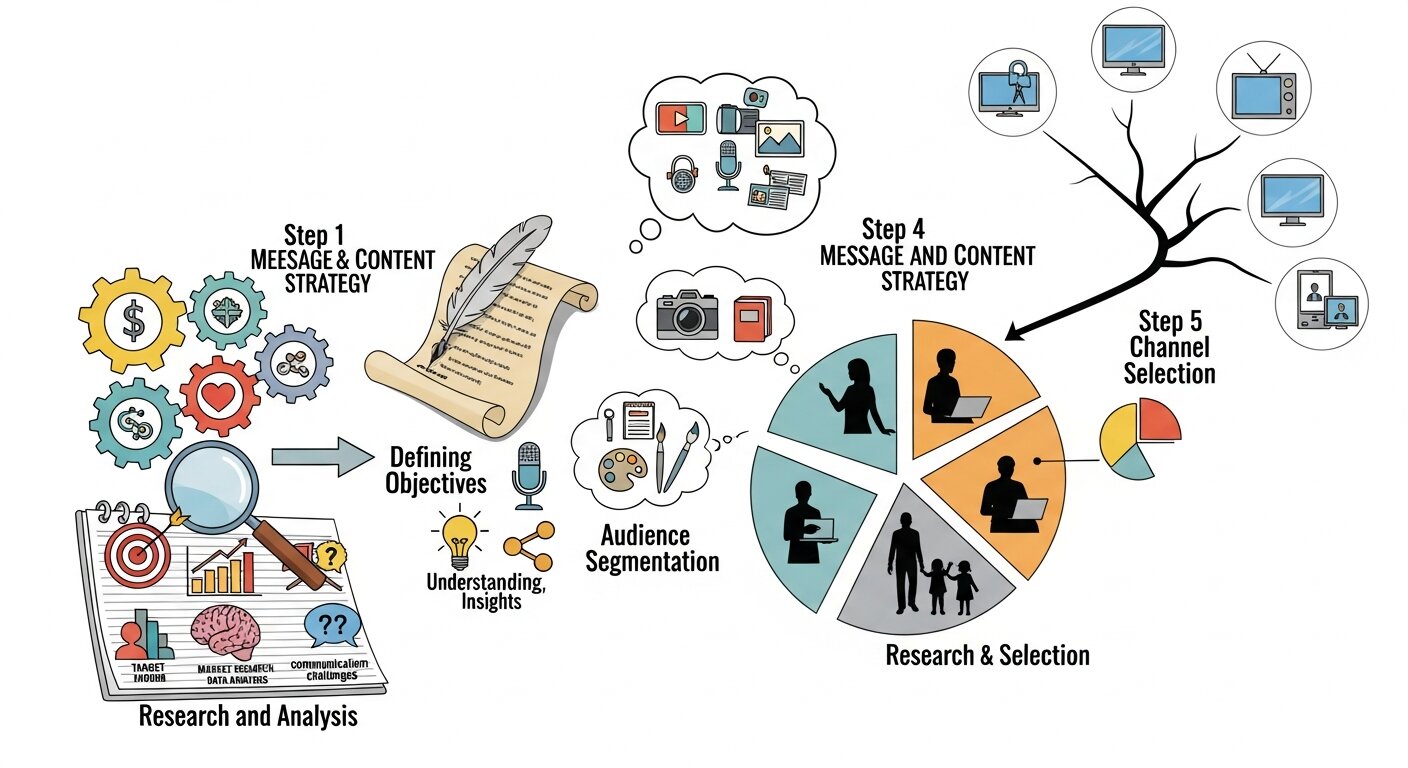
To create an effective Marketing Communication Policy, you must clearly define several foundational elements that guide how your organization communicates internally and externally. A well-structured Marketing Communication Policy does more than set rules—it creates a strategic communication framework that aligns messaging with business goals, strengthens brand identity, and ensures long-term consistency. Below are the key components every comprehensive Marketing Communication Policy should include:

Target Audience

Defining your target audience is the cornerstone of any successful Marketing Communication Policy. Without a clear understanding of who you are speaking to, even the most creative campaigns can miss the mark. Your communication style, content format, tone, and channel selection should all be shaped by audience insights.

Start by answering these essential questions:

  • Who are your primary and secondary customers?
  • What are their demographics (age, income, location, profession)?
  • What are their needs, preferences, motivations, and pain points?
  • What problems are they trying to solve?
  • Which communication channels do they prefer—social media, email, blogs, or traditional media?

For example, millennials may prefer engaging content on Instagram or TikTok, while busy professionals might respond better to LinkedIn articles or concise email newsletters. By narrowing down and segmenting your audience, your Marketing Communication Policy can guide teams in crafting highly targeted messages that resonate and convert.

Brand Messaging and Voice

Your brand message and voice are at the heart of your Marketing Communication Policy. They define how your company presents itself to the world and shape the emotional connection you build with your audience.

Core Message

Identify the central value proposition you want your audience to remember. What makes your brand unique? What promise do you consistently deliver? Your core message should remain stable across all campaigns.

Tone and Style

Clearly define your communication style. Is your brand voice:

  • Professional and authoritative?
  • Friendly and conversational?
  • Inspirational and motivational?
  • Bold and disruptive?

For example, a financial advisory firm may use a formal, trustworthy tone, while a lifestyle brand may adopt a relaxed and energetic voice. A strong Marketing Communication Policy ensures that every department—from marketing to customer service—uses a consistent tone that reinforces brand identity.

Communication Channels

An effective Marketing Communication Policy must clearly outline the platforms and channels used to distribute messaging. Different channels serve different purposes, and each requires slight adaptation while maintaining overall consistency.

Common communication channels include:

  • Social media platforms (Instagram, LinkedIn, Facebook, Twitter/X)
  • Email marketing campaigns
  • Paid advertising (Google Ads, display ads, sponsored content)
  • Company website and blog
  • Video platforms (YouTube, webinars)
  • Traditional media (print, radio, television)

Each platform has unique characteristics. For example, LinkedIn content may be more professional and data-driven, while Instagram content may focus on visual storytelling. Your policy should define how messaging adapts to each platform without compromising brand consistency.

Content Guidelines

Content standards are a critical section of any Marketing Communication Policy. Without clear guidelines, inconsistencies can quickly arise across campaigns and teams.

Your policy should define:

  • Content length and formatting standards
  • Grammar and punctuation preferences (e.g., British vs. American English)
  • Approved terminology and brand phrases
  • Visual identity rules, including logo usage, colors, typography, and imagery style
  • Social media conventions, such as preferred hashtags and call-to-action (CTA) phrases
  • Accessibility standards (inclusive language, alt text for images, readable formatting)

These guidelines ensure that all materials—blog posts, email newsletters, advertisements, social captions, and video scripts—reflect a unified and professional brand image.

Crisis Communication Protocol

No business is immune to unexpected challenges. A comprehensive Marketing Communication Policy must include a clear crisis communication protocol to protect brand reputation during difficult situations.

This section should outline:

  • Procedures for identifying and assessing a crisis
  • Steps for responding quickly and professionally
  • Approved messaging templates for urgent situations
  • Designated spokespersons authorized to communicate publicly
  • Guidelines for transparency and honesty
  • Monitoring and follow-up strategies

Whether facing negative reviews, public relations issues, product recalls, or operational disruptions, having predefined communication steps reduces panic and ensures consistent messaging during high-pressure moments.


Performance Metrics and Evaluation

An effective Marketing Communication Policy does not stop at implementation—it requires continuous evaluation. Establishing clear performance metrics allows you to measure success and identify areas for improvement.

Key performance indicators (KPIs) may include:

Regular analysis of these metrics helps refine communication strategies, optimize campaigns, and ensure that messaging remains aligned with evolving audience expectations. A data-driven approach strengthens the long-term effectiveness of your communication efforts.

Final Thoughts

A well-structured Marketing Communication Policy acts as both a strategic roadmap and a protective shield for your brand. It ensures clarity, consistency, compliance, and credibility across all communication efforts. By clearly defining your audience, voice, channels, content standards, crisis response procedures, and evaluation metrics, your organization can communicate with confidence and purpose in every interaction.

Steps to Create an Effective Marketing Communication Policy

Create an Effective Marketing Communication Policy
Audit Your Current Communication Efforts

Before building anything new, you need to understand what already exists. Conduct a comprehensive review of all your current communication channels and materials.

Evaluate:

  • Website copy and landing pages
  • Social media posts and engagement style
  • Email campaigns and newsletters
  • Paid advertisements
  • Press releases and public statements
  • Customer service scripts and responses

Look for inconsistencies in tone, messaging, visuals, or calls-to-action. Are different departments communicating in different voices? Are there outdated brand messages still being used? Identify strengths as well—what’s working well should be preserved and refined.

This audit provides a realistic baseline and ensures your new policy addresses actual weaknesses rather than assumptions.

Align with Your Business Goals

Your communication policy must directly support your broader business objectives. Communication is not an isolated function—it’s a strategic tool that drives measurable outcomes.

For example:

  • If your goal is brand awareness, focus on consistent storytelling and high-visibility platforms.
  • If your goal is lead generation, emphasize persuasive messaging and optimized calls-to-action.
  • If your goal is customer retention, prioritize personalized and relationship-focused communication.

When communication strategies align with business goals, every campaign becomes purposeful and performance-driven rather than reactive.

Document Your Guidelines Clearly

Once your direction is clear, formalize your standards in a structured document. This document should serve as a practical reference guide for anyone involved in communication.

Include:

  • Brand voice and tone descriptions with examples
  • Messaging pillars and key value propositions
  • Content formatting standards
  • Visual branding rules (logo usage, color palettes, typography)
  • Social media do’s and don’ts
  • Approval workflows and content review processes
  • Legal and compliance considerations

Clarity is critical. Avoid overly complicated language. A well-organized, easy-to-navigate document encourages consistent usage across teams.

Train and Align Your Team

A communication policy only works when it is actively understood and applied. Conduct training sessions to walk your team through the guidelines and explain the reasoning behind them.

Training should include:

  • Real-world examples of approved messaging
  • Role-playing exercises for customer interactions
  • Crisis communication simulations
  • Hands-on practice using brand templates

Encourage collaboration and feedback. When employees understand not just the “what” but also the “why,” they are more likely to implement the policy effectively.

Use the Right Tools and Systems

Technology plays a vital role in maintaining consistency and efficiency. The right tools help automate processes, centralize assets, and track performance.

Consider implementing:

  • Social media scheduling platforms for consistent posting
  • Email automation software for segmented campaigns
  • Brand asset management systems for storing approved logos and templates
  • Analytics dashboards for tracking engagement, conversions, and ROI

Using structured systems reduces human error and ensures your messaging remains aligned across all channels.

Review, Measure, and Improve Regularly

Communication strategies must evolve with changing customer behavior, market trends, and technological advancements. Schedule regular reviews—at least annually, if not quarterly—to assess effectiveness.

During reviews:

  • Analyze engagement and conversion data
  • Gather team feedback on implementation challenges
  • Update messaging to reflect new goals or products
  • Refine crisis response protocols if necessary

Continuous improvement keeps your communication relevant and competitive.

How a Strong Communication Policy Can Grow Your Business

When implemented effectively, a communication policy becomes a growth engine rather than just a compliance tool. It strengthens every interaction your brand has with its audience.

Builds Emotional Connection

A clearly defined tone and consistent messaging make your brand relatable. Customers feel they “know” your brand, which increases emotional attachment and loyalty.

Strengthens Brand Recognition

Repetition of consistent visuals, language, and messaging reinforces brand identity. Over time, this familiarity builds credibility and trust.

Protects Your Reputation

Defined crisis communication protocols ensure your responses are timely, transparent, and professional. This prevents minor issues from escalating into major reputation damage.

Increases Operational Efficiency

Clear guidelines eliminate confusion, reduce revisions, and speed up content production. Teams work faster and more confidently.

Drives Higher Engagement and Conversions

When the right message consistently reaches the right audience through the right channels, engagement improves—and so do sales and customer retention.

Make Marketing Communication Work For You

It may take time and sweat to craft a marketing communication policy, but the payoff is worth it. Communication that is clear, consistent and engaging is the basis upon which trust and loyalty are built. And businesses cannot thrive without both. Whether you’re just starting out or hoping to refine what you have already set up, the advice in this book makes it easy to get going. Get into itHow to produce a marketing communication policy that reflects your brandGet more tips or seek expert assistance today as to how to produce a marketing communication policy that reflects your brand. Your brand voice and messages need to sound with such certitude in every word for sure.

Frequently Asked Questions

What is a Marketing Communication Policy?

A Marketing Communication Policy is a structured set of guidelines that defines how a company communicates with its audience across different channels. It ensures messaging aligns with business goals, brand identity, and core values. It also promotes consistency, professionalism, and compliance.

Why is a Marketing Communication Policy important for business success?

It directly impacts brand reputation, customer trust, and overall growth. Consistent communication strengthens brand recognition, improves engagement, and reduces the risk of miscommunication or legal issues.

Who should be involved in creating a Marketing Communication Policy?

Key stakeholders typically include marketing teams, brand managers, PR professionals, senior leadership, and legal/compliance representatives. Collaboration ensures the policy aligns with both strategic and regulatory requirements.

How does a Marketing Communication Policy improve brand consistency?

It standardizes tone, messaging, visual identity, and communication channels. This ensures customers receive a unified brand experience regardless of where they interact with your business.

How often should a Marketing Communication Policy be updated?

It should be reviewed at least once a year. However, updates may be necessary sooner if there are major business changes, new regulations, rebranding efforts, or shifts in market trends.

Does a small business or startup need a Marketing Communication Policy?

Yes. Even small businesses benefit from structured communication guidelines. A clear policy helps startups build credibility, maintain professionalism, and scale their messaging effectively as they grow.

What role does crisis communication play in the policy?

Crisis communication ensures the company responds quickly, transparently, and professionally during challenges. It protects brand reputation and prevents minor issues from escalating into major problems.

How can performance be measured under a Marketing Communication Policy?

Performance can be tracked using KPIs such as engagement rates, click-through rates, conversion rates, customer retention, and ROI. Regular analysis helps refine communication strategies.

Can a Marketing Communication Policy help with legal compliance?

Yes. It provides guidelines for adhering to advertising standards, data privacy laws, and ethical communication practices, reducing legal and reputational risks.

What happens if a company does not have a Marketing Communication Policy?

Without clear guidelines, messaging can become inconsistent, confusing, or even damaging to the brand. This may lead to reduced customer trust, internal inefficiencies, and missed growth opportunities.


Previous Article

Understanding the Four Key Objectives of Marketing Communications

Next Article

Unlocking the Potential of Marketing Communication Tools

Write a Comment

Leave a Comment

Your email address will not be published. Required fields are marked *