


Effective marketing communication combines traditional and digital methods to reach audiences strategically. Choosing the right channels maximizes impact, engagement, and ROI. Brands that master this mix build stronger relationships and sustainable growth.
Marketing communication is the backbone of how brands connect with their audiences, serving as the bridge between a business and its customers. It encompasses the strategies, tools, and channels that businesses use to inform, persuade, and build meaningful, long-term relationships with their target audience. From traditional methods like print advertising and events to modern digital approaches such as social media, email, and content marketing, each tactic plays a critical role in shaping how a brand is perceived. Choosing Marketing Communication Type ensures that messages reach the right people at the right time, maximizing engagement, fostering trust, enhancing brand loyalty, and driving measurable results that contribute to overall business growth.
Understanding Marketing Communication
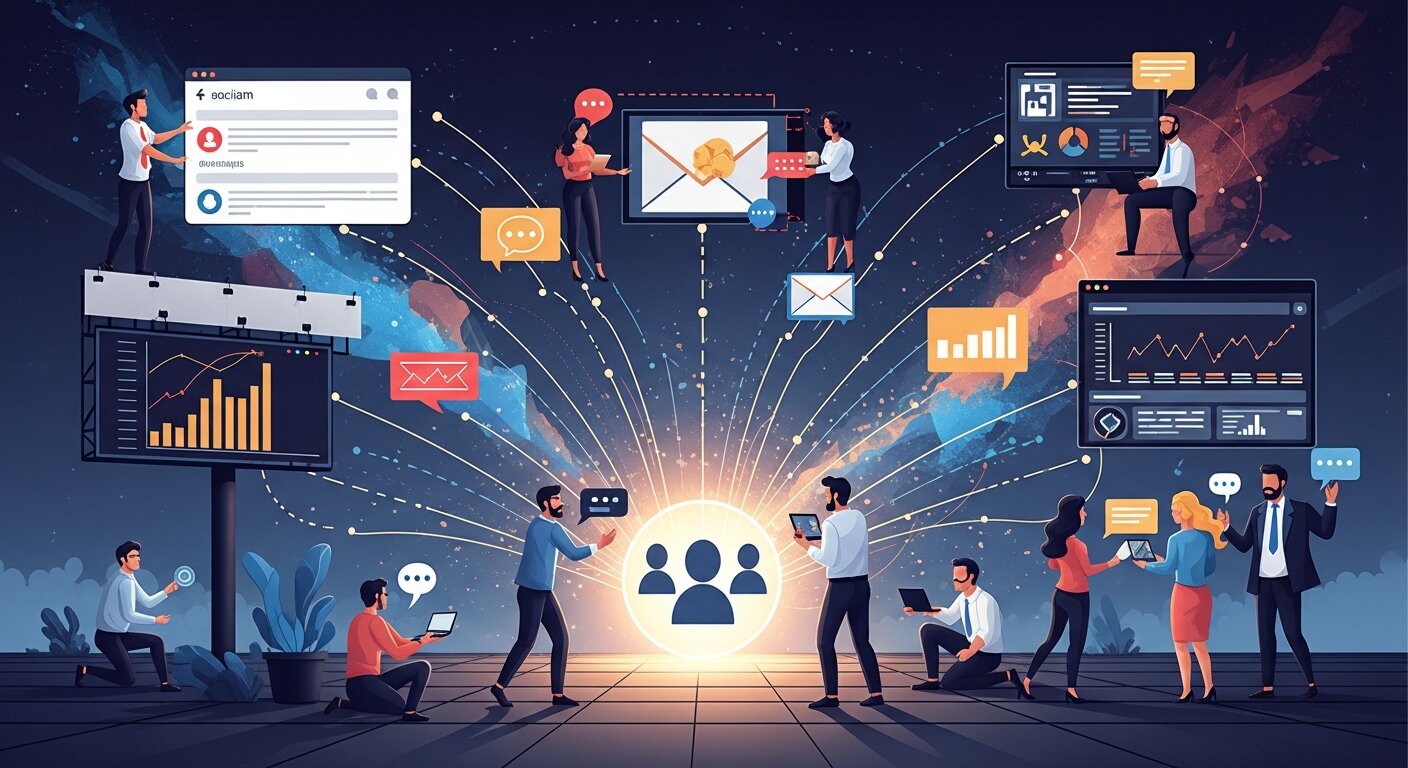
Marketing communication refers to the tools and tactics businesses use to convey their value proposition and build meaningful relationships with their target audience. It represents the voice of the brand and shapes how customers perceive products, services, and overall brand identity. These communications play a critical role in building awareness, strengthening engagement, influencing purchasing decisions, and ultimately driving revenue growth.
At its core, success in marketing depends on Choosing Marketing Communication Type that aligns with business objectives, customer behavior, and market conditions. Selecting the right channels ensures that messages reach the right audience at the right time with maximum impact.
Marketing communication strategies broadly fall into two main categories:
- Traditional Marketing Communication
- Digital Marketing Communication
Each category has its unique strengths, and savvy marketers often employ a strategic combination of both for optimal results. Rather than relying on a single channel, modern brands understand that choosing the right approach requires careful planning. How a Firm’s Marketing Communication Strategy is Formulated involves evaluating audience demographics, campaign goals, competitive landscape, and available resources. By understanding these factors, businesses can effectively determine which channels and messages will deliver maximum impact, ensuring that every marketing initiative aligns with both short-term objectives and long-term brand growth.
Now, let’s explore the methods available within these categories and when each is most effective.
Traditional Marketing Communication Methods
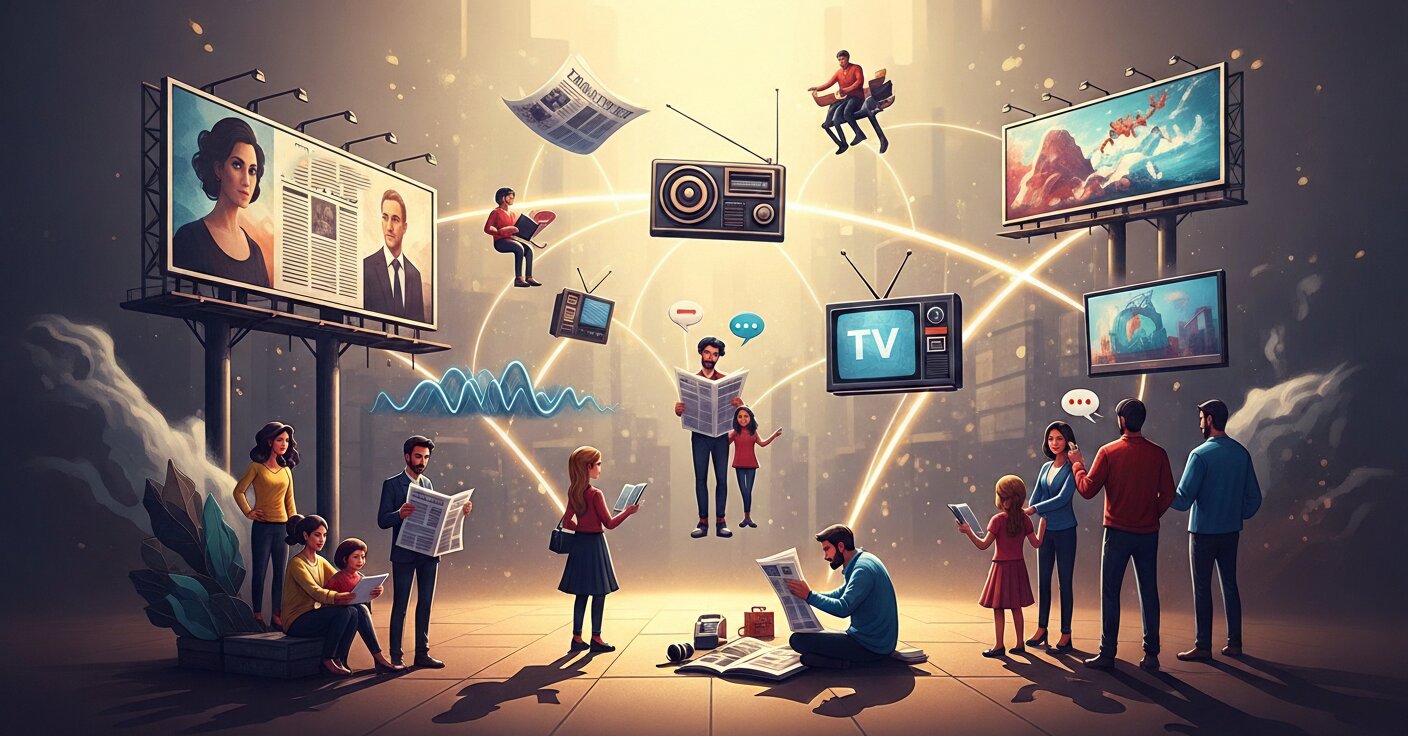
Traditional marketing encompasses tried-and-true channels that have been used long before the digital age. While some may consider these approaches “old-school,” they remain highly effective—especially for mass visibility, credibility, and emotional storytelling. In many industries, Choosing Marketing Communication Type that includes traditional channels can significantly enhance brand recall and trust.
Advertising in Print and Broadcast Media
Print ads in newspapers and magazines, along with broadcast ads on radio or television, continue to be powerful tools for reaching large audiences. These channels are particularly effective for creating rapid brand awareness and delivering strong emotional narratives through visuals and sound.
Best Use Cases:
- Launching a new product or service
- Reaching local, regional, or older demographics
- Delivering emotionally compelling visual content (e.g., TV commercials)
Example:
Nike’s “Just Do It” television campaigns inspire millions through storytelling that emphasizes perseverance and ambition, reinforcing the brand’s motivational positioning.
When Choosing Marketing Communication Type for large-scale awareness campaigns, broadcast media often provides unmatched reach and emotional impact.
Public Relations (PR)
Public Relations focuses on building and protecting a brand’s image through media relations, press releases, public events, and strategic partnerships. PR helps establish credibility and trust, especially when third-party media coverage reinforces brand authority.
Best Use Cases:
- Managing crisis communication to maintain reputation
- Announcing major company changes such as rebranding
- Building long-term credibility through earned media coverage
For organizations prioritizing reputation management, Choosing Marketing Communication Type that incorporates PR can create sustainable brand equity beyond short-term sales.
Direct Marketing
Direct marketing involves communicating directly with potential customers through mail, catalogs, brochures, or flyers. This method is highly targeted and customizable, allowing brands to tailor messages to specific segments.
Best Use Cases:
- Personalizing offers for niche audiences
- Promoting local stores or community events
- Delivering exclusive discounts or limited-time vouchers
Pro Tip:
Combine direct mail with digital elements such as QR codes or personalized landing pages to bridge offline engagement with measurable online actions.
When Choosing Marketing Communication Type for localized or highly segmented campaigns, direct marketing can deliver impressive conversion rates.
Trade Shows and Events
Trade shows, exhibitions, and promotional events allow brands to interact face-to-face with customers, prospects, and industry partners. These experiences foster deeper connections and provide opportunities for live product demonstrations.
Best Use Cases:
- Showcasing physical or innovative products
- Building trust through personal interaction
- Networking with industry professionals
Example:
Apple regularly hosts high-profile product launch events that generate anticipation and excitement while demonstrating innovation in real time.
For experiential engagement and relationship-building, Choosing Marketing Communication Type that includes live events can significantly enhance brand loyalty and customer confidence.
Traditional marketing methods remain highly relevant when used strategically. The key lies in understanding business objectives, audience expectations, and campaign goals. By carefully evaluating these factors, brands can make informed decisions about Choosing Marketing Communication Type that maximizes both immediate visibility and long-term brand strength.
Digital Marketing Communication Methods
The rise of technology has opened up countless digital channels, giving marketers powerful tools to reach, engage, and convert audiences in highly dynamic and personalized ways. Unlike traditional media, digital marketing offers real-time interaction, detailed analytics, audience segmentation, and measurable performance tracking. This makes it easier for brands to refine strategies and optimize campaigns continuously.
In today’s competitive environment, Choosing Marketing Communication Type often means prioritizing digital platforms because of their scalability, flexibility, and cost efficiency. Whether the goal is awareness, engagement, or conversion, digital channels allow marketers to tailor messaging with precision.
Content Marketing
Content marketing focuses on creating and distributing valuable, relevant, and consistent content to attract and retain a clearly defined audience. Instead of directly selling, it educates, informs, and builds trust over time.
Content formats include:
- Blog posts
- Videos
- Infographics
- E-books
- Case studies
- Webinars
Best Use Cases:
- Building long-term trust and credibility
- Educating audiences about complex products or services
- Improving search engine rankings with SEO-driven content
Example:
HubSpot publishes in-depth marketing and sales resources that position the brand as an industry thought leader while organically attracting qualified traffic.
When Choosing Marketing Communication Type for sustainable brand authority and inbound lead generation, content marketing is often a foundational strategy.
Social Media Marketing
Social media platforms such as Instagram, LinkedIn, Twitter, and TikTok allow brands to engage directly with audiences in real time. These platforms foster two-way communication, making engagement more conversational and community-driven.
Best Use Cases:
- Reaching younger or digitally active audiences
- Sharing visual, short-form, or real-time updates
- Running targeted advertising campaigns
Pro Tip:
Leverage analytics tools like Facebook Business Manager to track performance metrics and optimize campaigns for better ROI.
For brands seeking engagement and brand personality development, Choosing Marketing Communication Type that includes social media is often essential.
Email Marketing
Email marketing enables direct and personalized communication with subscribers, prospects, and customers. It remains one of the highest-ROI digital channels due to its ability to nurture relationships and drive repeat purchases.
Best Use Cases:
- Engaging existing customers
- Promoting exclusive offers and seasonal campaigns
- Building loyalty through personalized recommendations
Example:
Amazon uses data-driven email campaigns to recommend products based on browsing and purchase history, increasing conversion rates.
When Choosing Marketing Communication Type for retention and lifecycle marketing, email continues to be highly effective.
Influencer Marketing
Influencer marketing involves collaborating with individuals who have built credibility and loyal followings within specific niches. By leveraging influencer trust, brands can reach highly engaged audiences in an authentic way.
Best Use Cases:
- Generating rapid brand awareness
- Reaching niche or hard-to-target audiences
- Launching new products with storytelling credibility
Example:
Fenty Beauty gained rapid global traction by partnering with beauty influencers who showcased products to highly engaged communities.
For lifestyle, fashion, and consumer brands, Choosing Marketing Communication Type that incorporates influencers can accelerate visibility and social proof.
Paid Digital Advertising (PPC & Display Ads)
Paid advertising includes search engine marketing such as Google Ads and display ads across websites and social platforms. These campaigns are performance-driven and designed for immediate visibility and traffic.
Best Use Cases:
- Driving instant website traffic
- Retargeting visitors who didn’t convert
- Promoting limited-time offers or seasonal sales
Paid campaigns are especially useful when quick results are required, making them a strong option when Choosing Marketing Communication Type for short-term performance goals.
Chatbots and Automated Messaging
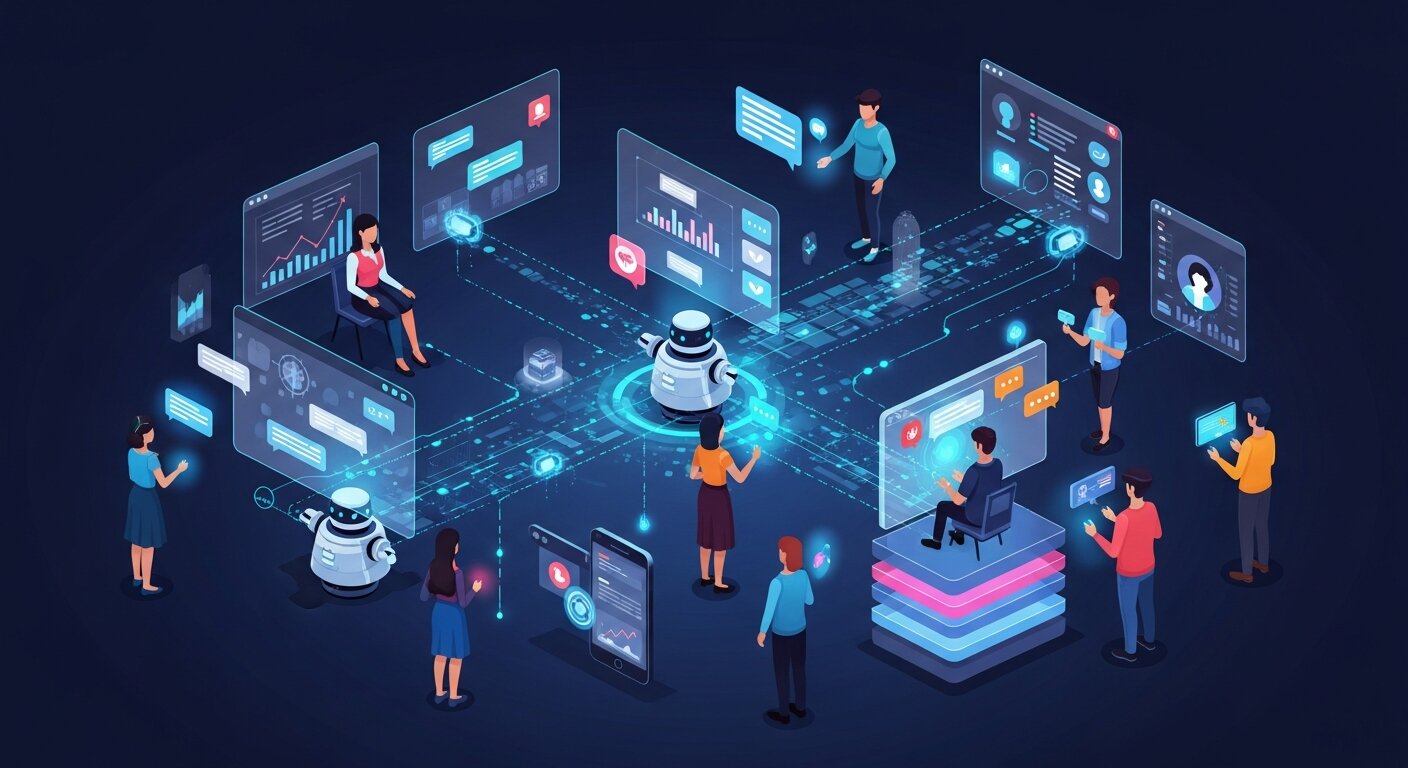
Chatbots and automated messaging systems provide instant customer support across websites, apps, and messaging platforms like Facebook Messenger and WhatsApp. They improve responsiveness, guide users through their journey, and enhance the overall customer experience. These tools are essential in modern marketing strategies where immediate engagement and personalized interaction are highly valued.
Best Use Cases:
- Answering FAQs 24/7
- Guiding users toward purchases with personalized suggestions
- Improving overall website user experience (UX)
Example:
Sephora uses chatbots to provide beauty recommendations and appointment booking options, creating a seamless, interactive, and satisfying customer experience.
As automation and AI continue to evolve, choosing marketing communication type that integrates chatbots allows brands to simultaneously improve operational efficiency, customer satisfaction, and lead conversion. Businesses that understand the nuances of choosing marketing communication type can ensure their automated messaging aligns with broader marketing objectives and customer expectations.
Multi-Channel Marketing Communication
For most marketers, the key isn’t just selecting a single communication channel, but finding the optimal combination to achieve business goals. Multi-channel marketing allows brands to deliver a cohesive and consistent message across multiple platforms, including digital, traditional, and experiential channels.
Why Multi-Channel Marketing is Effective:
- Reaches customers where they are most active
- Creates a consistent and memorable brand experience
- Improves ROI by leveraging the strengths of each communication method strategically
Example:
Coca-Cola’s “Share a Coke” campaign combined TV commercials, social media, and in-store displays to deliver a unified global marketing push that resonated across multiple touchpoints.
Brands that prioritize choosing marketing communication type for multi-channel strategies can optimize message delivery, maintain consistency, and strengthen audience engagement across platforms. Understanding the context and audience for each channel is critical in choosing marketing communication type that maximizes results and builds long-term loyalty.
Choosing the Right Communication for Your Brand
Each type of marketing communication serves a specific purpose, and the right choice depends on factors like:
- Your Audience: Where does your target audience consume information and interact most often?
- Your Goals: Are you focused on brand awareness, lead generation, or customer retention?
- Your Budget: What resources can your team allocate toward different platforms?
For small businesses or startups, digital marketing often provides the most cost-effective and measurable benefits. Larger enterprises may benefit from combining digital strategies with high-impact traditional media for maximum reach. Effective choosing marketing communication type ensures resources are invested in channels that deliver the best ROI.
The most important takeaway? A well-planned, customer-focused communication strategy hinges on choosing marketing communication type wisely. Doing so ensures that campaigns are not only impactful but also aligned with business objectives and audience preferences.
Unlock Your Marketing Potential
Marketing communication is critical for businesses of all sizes. No matter your industry, the right approach can drive engagement, build loyalty, and boost revenue. Brands that master choosing marketing communication type can deliver campaigns that resonate, convert, and create meaningful connections with their audience.
Experiment with different channels, monitor performance, and refine your approach over time. Strategic choosing marketing communication type ensures your marketing efforts remain relevant, measurable, and aligned with your business goals.
Still unsure where to start? Chat with one of our experts today to get tailored guidance on choosing marketing communication type and building campaigns that truly connect with your audience.
Frequently Asked Questions
Q1: What is marketing communication?
Marketing communication refers to the tools and tactics used to convey a brand’s value proposition, build relationships, and influence customer behavior.
Q2: What are the main types of marketing communication?
There are two broad categories: Traditional Marketing Communication (print, broadcast, direct mail, events) and Digital Marketing Communication (social media, email, content marketing, PPC ads, chatbots).
Q3: How do I choose the right marketing communication type?
Choosing Marketing Communication Type depends on your goals, audience preferences, budget, and campaign objectives. Multi-channel strategies often work best for maximum reach.
Q4: Why is multi-channel marketing important?
Using multiple channels ensures consistent messaging, reaches audiences where they are most active, and improves ROI by leveraging the strengths of each method.
Q5: Can traditional and digital marketing work together?
Yes, integrating both allows brands to balance wide reach and emotional storytelling (traditional) with precision targeting and measurability (digital).
Q6: How can small businesses apply marketing communication strategies?
Small businesses can prioritize cost-effective digital channels like social media, email marketing, and content marketing while gradually testing traditional methods for local impact.