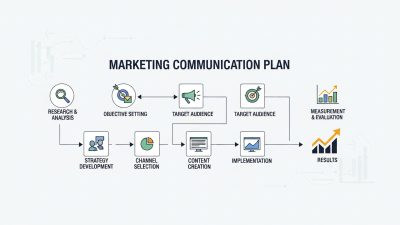


Sales and marketing careers are rapidly expanding with the rise of digital platforms, data-driven strategies, and evolving consumer behavior. Roles such as digital marketers, content managers, and analysts are in high demand. Success depends on continuous learning, technical skills, personal branding, and adaptability in a competitive job market.
As the communications and marketing industry grows, so do the skills and roles that are in demand. The landscape is constantly evolving, driven by new technologies, changing consumer behavior, and the increasing importance of digital channels. Whether you are an aspiring marketer just starting your career or a seasoned professional preparing for your next career move, understanding these changes is essential. Staying informed about the latest trends, required skill sets, and emerging roles can make the difference between stagnation and career growth. This active landscape of communications and marketing jobs is something you must keep ahead of, ensuring you remain competitive, relevant, and prepared to seize new opportunities as they arise.
What Jobs Are Growing in the Field of Sales and Marketing?
Communicators and marketers are crucial for businesses to be able to interface with their audience, get revenue returns and keep their reputations intact. However, it is more likely that certain duties have seen significant growth with the rise of technology and changes in consumer behavior.
Here are five key job roles likely to be popular:
1. Digital Marketing Specialist
What They Do:
Develop a company’s online presence through channels such as paid ads, SEM, content marketing, and e-mail campaigns. Learn more about Digital Marketing Communication Strategies That Actually Work
Skills in Demand:
-
Google Ads, Facebook Ads Manager, LinkedIn Campaign Manager
-
SEO efficiency
-
Analytics tools like Google Analytics and heatmapping software
Why It’s in Demand:
E-commerce and digital platform growth make digital marketing essential.
2. Social Media Manager
What They Do:
Oversee a brand’s social media use, create engaging content, grow followers, and increase engagement.
Skills in Demand:
-
Social media analytics (e.g., Instagram Insights)
-
Knowledge of short-form trends (e.g., TikTok, Reels)
-
Community management
3. Content Marketing Manager
What They Do:
Plan, create, and distribute valuable content like blog posts, whitepapers, infographics, and videos.
Skills in Demand:
-
Storytelling and copywriting
-
Content tools (WordPress, HubSpot)
-
Analytics for engagement insights
Why It’s in Demand:
Content builds brand authority and drives long-term traffic.
4. Public Relations Specialist

What They Do:
Manage reputation through media, press releases, and events. Shape public opinion and handle crises.
Skills in Demand:
-
Networking
-
Journalism and communication skills
-
Strategic message planning
Why It’s in Demand:
Brands need reputational management in a transparent digital era.
5. Marketing Analyst
What They Do:
Turn data into insights to guide decisions about campaigns, customer behavior, and market trends.
Skills in Demand:
-
Data visualization (Tableau, Power BI)
-
Statistical analysis, database management
-
Executive-level reporting
Why It’s in Demand: Data-driven decision-making is now the norm.
How to Stand Out in the Job Market
1. Upskill and Learn Continuously
Stay ahead with new tech, AI, and digital marketing tools. Use platforms like Coursera, LinkedIn Learning, and Google Analytics Academy.
2. Create a Personal Brand
Maintain a strong LinkedIn profile. Share insights, write blog posts, and showcase successful campaigns.
Pro Tip: Include real examples with results.
3. Get Friendly with Analytics
Creative marketers need data literacy. Learn tools like Hootsuite, Google Analytics, and HubSpot.
4. Think Network
Attend industry conferences and join associations. Use LinkedIn to make meaningful connections.
5. Sell Your Creativity
Show how you’ve combined strategy with creativity in past work—social campaigns, content series, or results-driven projects.
6. Tailor Your CV for Each Position
Align your resume with the job description. Highlight metrics-based achievements, e.g., “boosted engagement by X%.”
Evolution of Sales and Marketing Careers
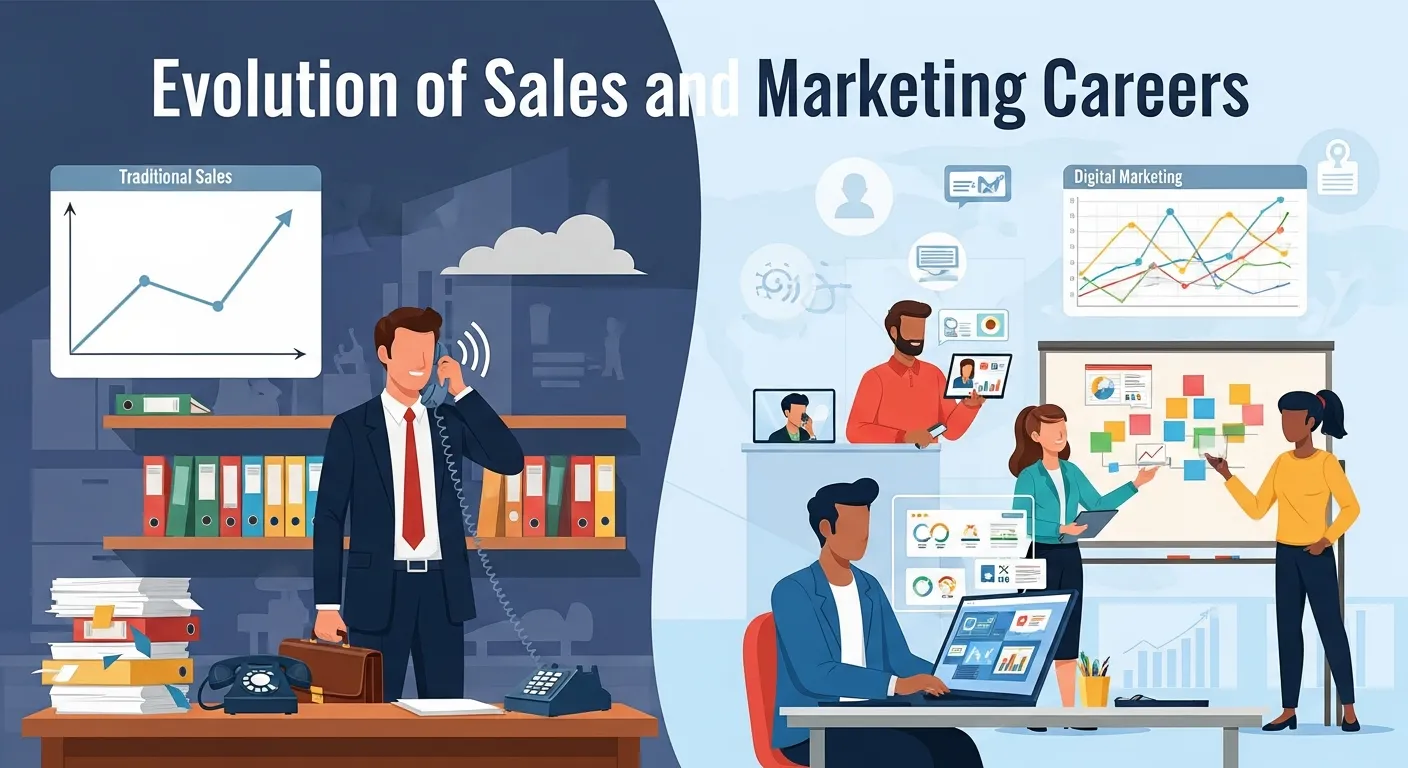
Sales and marketing careers have shifted from traditional, intuition-based roles to data-driven and technology-powered professions. Businesses now rely on digital channels, automation tools, and analytics to reach customers efficiently. As consumer behavior becomes more complex, professionals must combine creativity with technical skills. This evolution has created new roles while transforming existing ones. Understanding this shift is critical for anyone planning a long-term career in communications and marketing.
Importance of Digital-First Strategies
Modern businesses prioritize digital-first strategies because customers spend more time online than ever before. From search engines to social platforms, brands must maintain visibility across multiple digital touchpoints. Marketing professionals who understand omnichannel strategies, user experience, and conversion optimization are in high demand. Digital-first thinking allows businesses to scale faster, measure results accurately, and personalize messaging at scale.
Role of Technology in Marketing Growth
Marketing technology (MarTech) tools like CRM systems, marketing automation platforms, and analytics dashboards are now essential. These tools streamline workflows, track customer journeys, and improve campaign efficiency. Professionals who can operate and optimize these tools bring significant value to organizations. As AI and machine learning continue to evolve, tech-savvy marketers will gain a competitive advantage in the job market.
Rise of Data-Driven Decision Making
Data is at the core of modern marketing strategies. Businesses rely on insights from user behavior, campaign performance, and market trends to guide decisions. Marketing roles increasingly require analytical thinking alongside creativity. Professionals who can interpret data, generate insights, and present them clearly to stakeholders are highly sought after. This shift has fueled demand for marketing analysts and performance-focused roles.
Demand for Digital Marketing Specialists
Digital marketing specialists play a central role in managing paid ads, SEO, email marketing, and content distribution. Their ability to drive traffic, generate leads, and improve conversions directly impacts revenue. As online competition increases, businesses invest heavily in specialists who understand platforms like Google Ads, Meta Ads, and marketing funnels. This role continues to grow across industries.
Growing Influence of Social Media Management
Social media managers are responsible for building brand presence, engaging audiences, and managing online communities. With platforms constantly evolving, brands need professionals who stay updated on trends, algorithms, and content formats. Effective social media management improves brand trust, customer loyalty, and visibility. This role now blends creativity, analytics, and customer service.
Strategic Importance of Content Marketing
Content marketing managers focus on storytelling, education, and long-term brand value. High-quality content builds authority, supports SEO, and nurtures customer relationships. Businesses increasingly prioritize content strategies that address customer pain points rather than direct selling. Skilled content marketers who understand audience intent and performance metrics are in high demand.
Public Relations in a Digital World
Public relations has evolved beyond press releases and media outreach. Today’s PR specialists manage online reputation, influencer relations, and crisis communication across digital channels. Transparency and real-time communication have made reputation management more critical than ever. Brands rely on PR professionals to maintain trust and credibility in a fast-moving digital environment.
Growth of Marketing Analytics Roles
Marketing analysts bridge the gap between data and strategy. They analyze campaign performance, customer behavior, and market trends to guide decision-making. As budgets become more performance-driven, analysts play a key role in optimizing ROI. Proficiency in data visualization and reporting tools has become essential for career growth in this area.
Importance of Continuous Upskilling
Marketing skills quickly become outdated due to rapid technological change. Continuous learning through certifications, online courses, and hands-on practice is essential. Employers value professionals who adapt quickly and proactively upgrade their skill sets. Upskilling ensures long-term relevance and career stability in a competitive job market.
Personal Branding for Career Growth
A strong personal brand sets professionals apart in crowded job markets. Platforms like LinkedIn allow marketers to showcase expertise, share insights, and build authority. Consistent personal branding increases visibility, credibility, and job opportunities. Employers often evaluate online presence before making hiring decisions.
Future Outlook for Marketing Careers
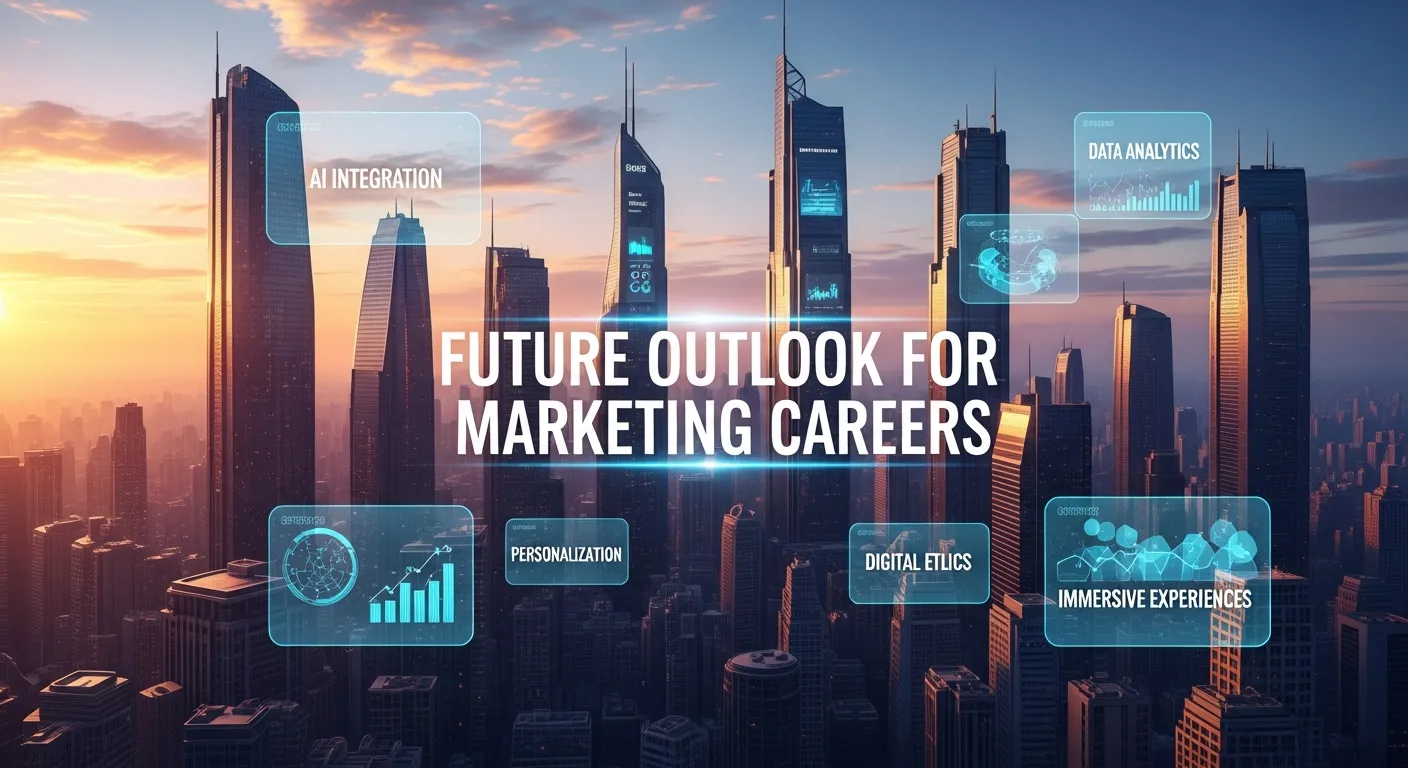
The future of marketing careers is dynamic and opportunity-rich. Automation will handle repetitive tasks, while human creativity and strategy will remain essential. Professionals who combine communication skills, technical knowledge, and strategic thinking will thrive. Staying adaptable and future-focused is key to long-term success.
The Future of Marketing and Communications
More graduates are entering the field than ever, which increases competition. Staying ahead means evolving with trends, sharpening your tools, and constantly investing in your development.
Whether it’s mastering a tool, attending a networking event, or refining your portfolio—your competitive edge starts today.
Conclusion
Sales and marketing careers are evolving faster than ever, driven by technology, data, and changing consumer behavior. The demand for professionals who can adapt quickly, leverage new tools, and understand emerging trends has never been higher. Those who invest in continuous learning, develop both creative and analytical skills, and stay ahead of industry innovations will maintain a competitive edge. Whether you are entering the field as a fresh graduate or advancing your career as a seasoned professional, understanding market dynamics, mastering in-demand skills, and building a strong personal brand are essential. By staying proactive, curious, and adaptable, you can navigate the rapidly shifting landscape of sales and marketing, seize opportunities for growth, and ensure long-term career success in an increasingly digital and data-driven world.
Frequently Asked Questions (FAQs)
1. Are marketing jobs growing in demand?
Yes, marketing jobs are growing steadily, particularly in digital marketing, analytics, and content-focused roles. As businesses continue shifting toward online platforms, they require skilled professionals to manage digital campaigns, analyze performance data, and engage audiences across multiple channels. This demand spans industries such as e-commerce, technology, healthcare, and finance, making marketing a future-proof career choice.
2. Which marketing role has the highest growth potential?
Digital marketing and data analytics roles currently show the highest growth potential. Positions such as performance marketers, SEO specialists, marketing analysts, and automation experts are especially in demand. These roles directly impact business revenue and decision-making, making them highly valuable to employers and less vulnerable to automation.
3. How fast do marketing careers evolve?
Marketing careers evolve very quickly due to changes in technology, algorithms, platforms, and consumer behavior. New tools, trends, and strategies emerge every year, requiring professionals to constantly update their skills. Continuous learning is essential for staying relevant and competitive in this fast-moving industry.
4. How important is data knowledge for marketers?
Data knowledge is extremely important for modern marketers. Understanding metrics, analytics dashboards, and performance reports helps professionals make informed decisions, optimize campaigns, and prove ROI. Even creative roles now require basic data literacy to measure success and refine strategies effectively.
5. Do I need a degree to work in marketing?
A degree can be helpful, but it is not mandatory. Many employers prioritize practical skills, certifications, and real-world experience over formal education. Online courses, internships, freelance work, and personal projects often carry equal or greater weight than a traditional degree.
6. Can fresh graduates enter marketing roles?
Yes, fresh graduates can successfully enter marketing roles through internships, trainee programs, and junior positions. Many companies actively hire entry-level marketers and provide on-the-job training. Building a portfolio, learning tools, and demonstrating initiative can significantly improve job prospects.
7. What tools should marketers learn first?
Marketers should start with foundational tools such as Google Analytics, CRM systems, and major social media platforms. Familiarity with email marketing tools, content management systems, and basic ad platforms also provides a strong starting point for career growth.
8. Are certifications valuable in marketing careers?
Yes, certifications are highly valuable as they demonstrate practical skills, industry knowledge, and commitment to learning. Certifications from Google, HubSpot, Meta, and LinkedIn help professionals stand out and often compensate for limited work experience.
9. Is sales still relevant in the digital age?
Sales remains highly relevant, though its methods have evolved. Modern sales relies on digital communication, CRM tools, and data-driven insights. Sales and marketing now work closely together to guide prospects through digital funnels and build long-term customer relationships.
10. Is freelancing viable in marketing?
Yes, freelancing is very viable, especially in digital marketing, content creation, SEO, and social media management. Many businesses prefer hiring freelancers for flexibility and cost efficiency. Freelancing also allows marketers to build diverse experience and income streams.
11. Are marketing jobs suitable for introverts?
Yes, many marketing roles are well-suited for introverts. Positions focused on strategy, analytics, content creation, and automation require deep thinking and independent work rather than constant interaction. Communication skills are still important, but extroversion is not mandatory.
12. What soft skills matter most in marketing?
The most important soft skills include communication, adaptability, problem-solving, and strategic thinking. Marketers must collaborate across teams, adapt to rapid changes, and clearly convey ideas using data and storytelling. These skills complement technical expertise and drive long-term success.