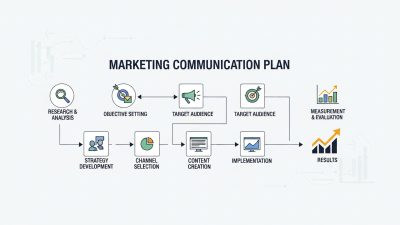


Modern enrollment management relies on communications and marketing specialists to attract and convert prospective students. Through brand positioning, digital marketing, content creation, and data analysis, these professionals optimize every stage of the student journey. Integrating marketing expertise into admissions teams improves lead generation, engagement, and enrollment outcomes, ensuring institutions achieve sustainable growth despite competitive and demographic challenges.
Higher education faces unprecedented challenges. Declining birth rates, rising costs, and increased competition from online programs have fundamentally changed how institutions attract and retain students. In this competitive landscape, enrollment management has evolved from a simple admissions process into a sophisticated marketing and communications challenge.
Communications and marketing specialists bring essential skills to enrollment management teams. These professionals understand how to craft compelling messages, leverage digital platforms, and create seamless student experiences that drive enrollment decisions. Their expertise in brand storytelling, data analytics, and multi-channel campaigns directly impacts an institution’s ability to meet enrollment goals.
The Evolution of Enrollment Management

From Admissions to Comprehensive Marketing
Traditional enrollment management focused primarily on processing applications and managing admissions cycles. Today’s approach requires sophisticated marketing strategies that begin years before students apply and continue throughout their academic journey.
Modern enrollment management encompasses brand positioning, digital marketing, student experience design, and data-driven decision making. These disciplines require specialized knowledge that extends far beyond traditional admissions expertise.
Successful institutions now recognize enrollment management as a comprehensive marketing function that requires dedicated communications professionals to execute effectively. Learn more about A Comprehensive Guide to the Different Types of Marketing Communications.
Understanding Today’s Student Journey
The modern student journey is complex and multi-touchpoint. Prospective students research institutions online, engage with social media content, attend virtual events, and compare options across multiple platforms before making decisions.
Communications and marketing specialists understand how to map these complex journeys and create cohesive experiences across all touchpoints. They know how to nurture prospects through extended decision-making processes and maintain engagement throughout lengthy consideration periods.
This expertise becomes crucial when institutions compete for students who have more options and higher expectations than ever before.
Core Responsibilities of Communications and Marketing Specialists in Enrollment Management
Strategic Brand Positioning and Messaging
Communications specialists develop institutional brand positions that differentiate schools in competitive markets. They create messaging frameworks that clearly articulate value propositions and resonate with target student populations.
Effective brand positioning requires deep understanding of audience research, competitive analysis, and institutional strengths. Marketing specialists bring these skills to enrollment teams, ensuring consistent messaging across all recruitment touchpoints.
Strong brand positioning influences every aspect of enrollment marketing, from website content to social media campaigns to virtual event presentations.
Digital Marketing and Lead Generation
Digital marketing expertise is essential for modern enrollment success. Marketing specialists understand how to leverage search engine optimization, social media advertising, content marketing, and email campaigns to generate qualified leads.
These professionals know how to optimize landing pages for conversion, create compelling content that educates prospects, and implement marketing automation systems that nurture leads through extended decision-making processes.
Digital marketing skills are particularly crucial for reaching younger demographics who conduct extensive online research before making enrollment decisions.
Content Creation and Storytelling
Compelling content creation requires specialized skills that many admissions professionals lack. Communications specialists understand how to create engaging blog posts, social media content, video scripts, and virtual event presentations that capture attention and drive engagement.
Effective enrollment content tells authentic stories about student experiences, career outcomes, and institutional culture. Marketing specialists know how to identify these stories and present them in formats that resonate with different audience segments.
Content creation skills extend beyond writing to include visual design, video production, and interactive media development.
Data Analysis and Performance Optimization
Marketing specialists bring analytical expertise that helps enrollment teams make data-driven decisions. They understand key performance indicators, conversion metrics, and attribution modeling that reveal which marketing activities drive enrollment results.
These professionals can analyze website traffic, social media engagement, email campaign performance, and virtual event attendance to identify optimization opportunities and improve ROI.
Data analysis skills are essential for demonstrating enrollment marketing effectiveness and securing budget allocations for successful programs.
Building Effective Enrollment Marketing Teams
Essential Skills and Qualifications
Successful enrollment marketing specialists typically have backgrounds in digital marketing, communications, or related fields. They should understand higher education audiences and possess experience with lead generation, content creation, and marketing automation platforms.
Technical skills should include proficiency with customer relationship management systems, marketing automation tools, social media management platforms, and analytics software commonly used in higher education.
Communication skills are equally important, as these specialists must collaborate effectively with admissions staff, faculty, and institutional leadership to create cohesive enrollment strategies.
Team Structure and Collaboration
Effective enrollment marketing teams typically include specialists with complementary skills: content creators, digital marketing experts, data analysts, and project managers. These roles can be filled by individual specialists or combined depending on institutional size and budget.
Successful teams maintain close collaboration with admissions counselors, financial aid staff, and academic departments to ensure marketing messages align with actual student experiences and institutional capabilities.
Clear communication protocols and shared goals help enrollment marketing teams work effectively with traditional admissions staff who may not have marketing backgrounds.
Integration with Existing Enrollment Operations
Marketing specialists must understand existing enrollment processes and systems to create effective integration strategies. This includes learning customer relationship management workflows, admissions cycles, and reporting requirements.
Successful integration requires patience and relationship-building as marketing specialists work with admissions staff to implement new processes and technologies that support comprehensive enrollment strategies.
Change management skills are essential for helping traditional enrollment teams adapt to more marketing-focused approaches and new performance metrics.
Virtual Events and Digital Engagement Strategies

Leveraging Virtual Events for Enrollment
Virtual events have become essential tools for enrollment marketing, offering cost-effective ways to reach large audiences and provide personalized experiences. Communications specialists understand how to plan, execute, and follow up on virtual events that drive enrollment results.
Successful virtual event strategies require expertise in platform selection, content development, audience engagement, and technical execution. Marketing specialists bring these skills to enrollment teams, ensuring events run smoothly and achieve their objectives.
Virtual events also provide valuable data insights about prospect interests and engagement levels that can inform broader enrollment marketing strategies.
Creating Comprehensive Digital Experiences
Modern enrollment marketing requires seamless digital experiences that guide prospects through complex decision-making processes. Communications specialists understand how to create integrated campaigns that connect social media, email marketing, website content, and virtual events.
These professionals know how to develop content series that build on virtual event topics, create email sequences that nurture prospects over extended periods, and design landing pages that convert visitors into qualified leads.
Comprehensive digital experiences require coordination across multiple platforms and touchpoints, making specialized marketing expertise essential for success.
Measuring and Optimizing Digital Performance
Marketing specialists bring essential analytical skills for measuring virtual event success and optimizing digital engagement strategies. They understand key performance indicators like registration rates, attendance rates, engagement metrics, and post-event conversions.
These professionals can analyze technical performance data, identify improvement opportunities, and implement optimization strategies that improve future results.
Performance measurement skills are crucial for demonstrating return on investment and securing continued support for enrollment marketing initiatives.
Overcoming Common Implementation Challenges
Budget Constraints and Resource Allocation
Many institutions struggle with limited budgets for enrollment marketing initiatives. Communications specialists can help prioritize high-impact activities and demonstrate ROI through careful tracking and analysis.
These professionals understand how to maximize limited resources through strategic content repurposing, automated marketing campaigns, and targeted advertising that reaches qualified prospects efficiently.
Budget management skills help enrollment marketing specialists build credibility with institutional leadership and secure resources for successful programs.
Technology Integration and Training
Implementing new marketing technologies often requires significant training and change management support. Communications specialists can help enrollment teams adopt new systems and processes while maintaining operational effectiveness.
These professionals understand how to select appropriate technologies, manage implementation processes, and provide ongoing training that ensures successful adoption.
Technology expertise helps enrollment marketing specialists bridge gaps between traditional admissions processes and modern digital marketing requirements.
Measuring Long-Term Impact
Enrollment marketing success often requires long-term measurement cycles that extend beyond traditional admissions metrics. Communications specialists understand how to track prospect engagement over extended periods and connect marketing activities to enrollment outcomes.
These professionals can develop attribution models that demonstrate how marketing activities influence enrollment decisions and contribute to institutional revenue.
Long-term measurement capabilities help enrollment marketing specialists demonstrate value and secure continued investment in comprehensive marketing strategies.
Building Sustainable Enrollment Growth

The integration of communications and marketing specialists into enrollment management teams represents a fundamental shift toward more sophisticated, data-driven approaches to student recruitment. These professionals bring essential skills that complement traditional admissions expertise and drive measurable enrollment results.
Successful implementation requires careful planning, adequate resources, and commitment to long-term relationship building between marketing specialists and existing enrollment staff. However, institutions that make this investment typically see significant improvements in lead generation, conversion rates, and overall enrollment performance.
As higher education competition continues to intensify, communications and marketing expertise will become increasingly essential for enrollment success. Institutions that recognize this reality and invest in specialized talent will be better positioned to achieve their enrollment goals and maintain sustainable growth.
The future of enrollment management depends on sophisticated marketing strategies that create compelling digital experiences, leverage data insights, and build lasting relationships with prospective students. Communications and marketing specialists provide the expertise necessary to execute these strategies effectively and drive enrollment success in an increasingly competitive landscape.
Conclusion
Communications and marketing specialists are essential for modern enrollment management. They bridge traditional admissions processes with data-driven marketing, digital engagement, and compelling storytelling. By integrating expertise into enrollment teams, institutions can generate more qualified leads, improve conversions, and build sustainable enrollment growth in an increasingly competitive higher education landscape.
FAQs
1. What is enrollment marketing?
Enrollment marketing is a strategic approach that combines marketing, communications, and engagement campaigns to attract, nurture, and convert prospective students. It goes beyond traditional admissions by focusing on building awareness, creating personalized messaging, and delivering multi-channel experiences that guide students from initial interest to application and enrollment. Effective enrollment marketing ensures institutions remain competitive in a crowded higher education landscape.
2. Why is marketing important for enrollment management?
Marketing is critical in enrollment management because it helps institutions differentiate themselves from competitors, reach digitally-savvy students, and communicate their unique value propositions effectively. It drives engagement, increases brand awareness, and supports the enrollment funnel by generating qualified leads. With the increasing number of choices students have, marketing ensures institutions can influence decision-making and improve conversion rates.
3. What is the student journey?
The student journey refers to the multi-touchpoint path a prospective student takes from awareness of an institution to application and enrollment. It includes researching programs online, engaging with social media content, attending virtual or in-person events, and comparing options across multiple institutions. Understanding this journey enables marketing specialists to create cohesive, personalized experiences that address student needs at each stage.
4. Can digital marketing improve student recruitment?
Yes, digital marketing is highly effective for student recruitment. Techniques like search engine optimization (SEO), social media advertising, email marketing, and conversion-optimized landing pages allow institutions to reach students where they spend most of their time online. Digital marketing also enables precise targeting, personalized communication, and measurable results, which help institutions improve lead quality and conversion rates.
5. How do virtual events support enrollment?
Virtual events allow institutions to connect with prospective students remotely, providing interactive experiences such as webinars, online tours, and Q&A sessions. These events are cost-effective, scalable, and measurable, offering insights into attendee engagement, interests, and behaviors. Marketing specialists can use this data to follow up effectively, nurture leads, and guide students further along the enrollment journey.
6. What roles do communications specialists play?
Communications specialists play a key role by creating messaging frameworks, developing compelling content, managing campaigns, and optimizing strategies to attract and engage prospective students. They ensure that every communication touchpoint—from email campaigns to social media to virtual events—aligns with the institution’s brand and enrollment goals. Their expertise helps admissions teams achieve measurable recruitment outcomes.
7. How are teams structured in enrollment marketing?
Enrollment marketing teams typically consist of specialists in content creation, digital marketing, analytics, and project management. These teams collaborate closely with admissions staff to ensure alignment of messaging and recruitment objectives. Depending on institutional size, roles may be combined or specialized, but clear communication, shared goals, and complementary skills are essential for executing successful enrollment strategies.
8. What skills are essential for marketing specialists?
Marketing specialists need a combination of technical and soft skills. Key skills include content creation, social media and digital marketing, data analysis, CRM proficiency, campaign management, communication, and project coordination. These skills allow specialists to develop engaging content, analyze performance, optimize campaigns, and collaborate effectively with admissions teams and institutional leadership.
9. Why is data analysis important in enrollment marketing?
Data analysis allows institutions to measure the effectiveness of campaigns, identify what resonates with students, and optimize marketing strategies. By tracking metrics such as website traffic, engagement rates, conversion rates, and event attendance, marketing specialists can make informed decisions, allocate resources efficiently, and demonstrate return on investment (ROI) to stakeholders.
10. How is ROI measured in enrollment marketing?
ROI in enrollment marketing is measured through multiple indicators, including lead conversions, engagement metrics, quality of applications, virtual event attendance, and the ultimate impact on student enrollment numbers. Long-term measurement tracks how marketing activities influence enrollment outcomes and institutional revenue. Accurate ROI tracking helps justify budget allocations and supports continuous improvement of marketing strategies.
11. Can enrollment marketing work for small institutions?
Yes, enrollment marketing can be highly effective for small institutions. Targeted digital campaigns, personalized content, and efficient lead generation strategies allow smaller schools to compete with larger institutions. Even with limited budgets, smart use of marketing automation, social media, and virtual engagement can help maximize recruitment impact and attract the right students.
12. Is enrollment marketing a long-term strategy?
Yes, enrollment marketing is a long-term strategy that requires ongoing optimization, integrated campaigns, and data-driven decision-making. Sustained efforts ensure continuous engagement with prospective students, build brand awareness, and support consistent recruitment outcomes. Over time, it fosters stronger relationships, improves lead quality, and helps institutions achieve sustainable enrollment growth despite competitive and demographic challenges.