
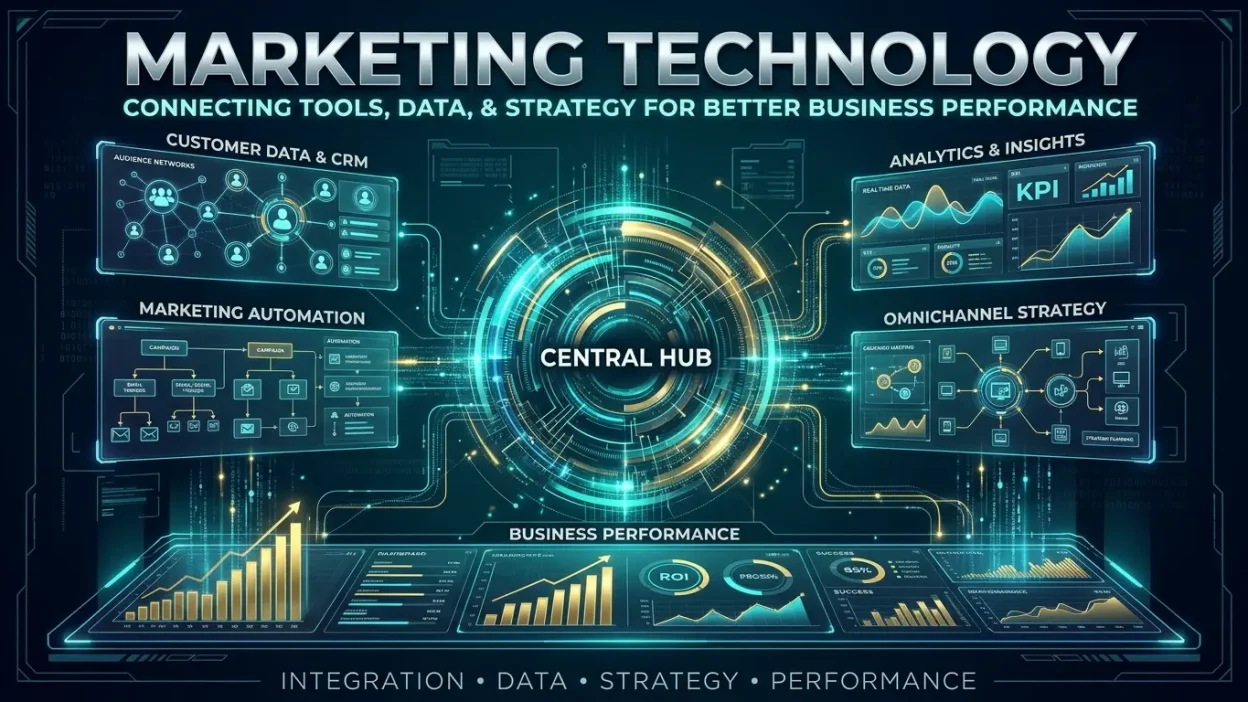
Marketing technology has become an important part of how businesses plan campaigns, understand customers, manage data, and measure performance. From automation and analytics to customer data platforms and communication software, modern marketing teams rely on connected systems to manage increasingly complex activities. However, the value of these tools depends on how well they work together and support business objectives. A well-organized marketing technology environment helps companies reduce repetitive work, improve customer experiences, gain clearer performance insights, and make more informed decisions. By choosing suitable platforms, maintaining reliable integrations, and managing systems effectively, organizations can build a technology foundation that supports sustainable marketing growth.
Marketing Is No Longer Powered by Creativity Alone
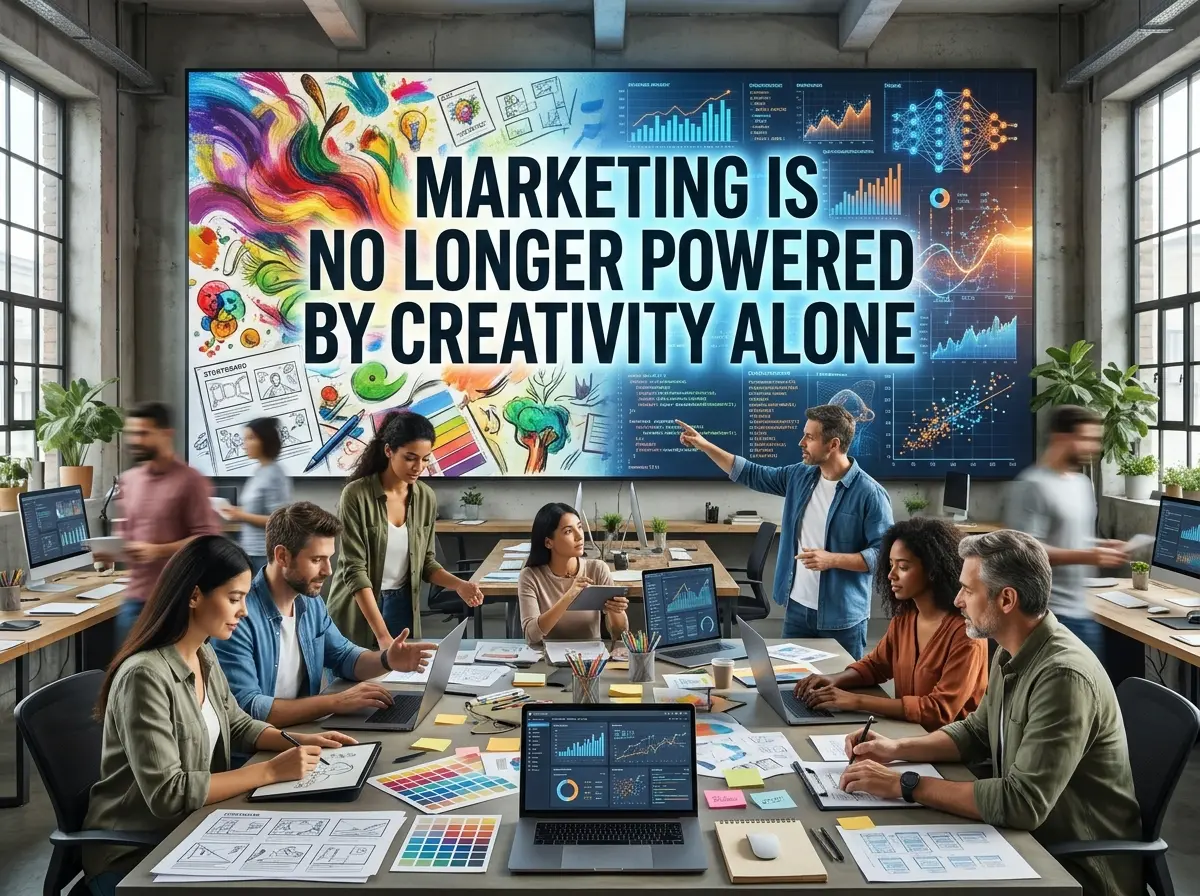
A successful marketing campaign may begin with a strong idea, but turning that idea into measurable business results requires much more than creative execution. Teams need to understand their audiences, organize customer information, coordinate campaigns across channels, track engagement, and evaluate which activities contribute to business growth. As these responsibilities expand, managing everything through disconnected tools and manual processes becomes increasingly difficult.
This is where marketing technology becomes important.
Marketing technology refers to the software, platforms, systems, and digital solutions businesses use to plan, execute, manage, and measure marketing activities. It includes tools for email campaigns, customer relationship management, advertising, content management, analytics, automation, and customer data organization.
The purpose is not simply to introduce more software into an organization. It is to create an environment where technology supports marketing decisions and makes daily operations more effective.
For example, a business might use one platform to manage customer information, another to distribute email campaigns, and an analytics solution to understand website activity. When these systems work together, marketers can gain a more complete view of customer interactions. When they operate separately, teams may struggle with duplicated records, inconsistent reporting, and disconnected communication.
Marketing technology is therefore most valuable when it connects the different parts of a marketing operation into a coordinated system.
The Changing Relationship Between Marketing and Technology
Marketing has always adapted to changes in communication and consumer behavior. Print advertising, television, direct mail, websites, social media, and mobile applications have each introduced new ways for businesses to reach potential customers.
Digital channels have increased the speed and complexity of these interactions. Customers may discover a brand through search, compare products through social media, visit a website, receive an email, and eventually complete a purchase through an online store.
Each interaction creates information that businesses can use to understand customer interests and improve communication. However, managing these interactions across multiple channels requires systems that can collect and organize information efficiently.
Marketing software helps address this challenge by providing dedicated environments for different activities. Some platforms manage campaigns, while others support customer records, content publishing, advertising, or performance analysis.
The growing range of available solutions has also changed how marketing teams organize their work. Instead of relying on one general-purpose system, businesses increasingly combine specialized applications according to their needs.
This creates opportunities for more sophisticated marketing operations, but it also introduces new responsibilities. Companies must consider how systems exchange information, whether their data remains accurate, and whether employees can use the technology effectively.
The result is a shift from simply adopting digital tools to managing a connected marketing environment.
Understanding the Components of a Marketing Technology Stack
A marketing technology stack is the collection of platforms and applications a business uses to support its marketing activities. It represents the technological foundation behind campaign management, customer communication, data analysis, and marketing operations.
The structure varies depending on the company’s size, industry, audience, and business model. A small organization may need only a few essential applications, while a larger company may manage dozens of interconnected systems.
A typical stack may include a customer relationship management platform for managing prospects and customer records, an email marketing system for distributing campaigns, an analytics platform for measuring website and campaign activity, and content management software for publishing digital materials.
Advertising platforms, social media management applications, and customer support systems may also contribute to the overall environment.
The important consideration is how these tools support one another. A business does not necessarily benefit from using several applications that perform similar tasks without sharing information. Overlapping systems can increase costs and create confusion about which platform contains the most accurate data.
An effective marketing technology stack should have a clear purpose. Each tool should support a defined business activity, contribute useful information, or improve an existing process.
This also connects technology decisions with broader operational goals. Businesses seeking better marketing efficiency need to understand whether their platforms reduce unnecessary work, improve coordination, and help teams use their resources more effectively.
Marketing Automation and the Value of Consistent Processes
One of the most recognizable areas of marketing technology is marketing automation. It allows businesses to use software to manage repetitive marketing activities according to predefined conditions, schedules, or customer actions.
Email follow-ups, lead notifications, audience segmentation, campaign scheduling, and certain customer engagement processes can all be supported through automation.
Consider a person who subscribes to a company’s newsletter. Instead of requiring a marketing employee to send an individual welcome email, an automation system can recognize the subscription and trigger an appropriate message. If the subscriber later interacts with a particular campaign, the system may use that activity to determine which communication is relevant next.
This makes marketing operations more consistent and reduces the amount of manual work required for routine tasks.
However, automation should not be confused with removing human involvement from marketing. Software can deliver messages and organize workflows, but people remain responsible for deciding what the communication should achieve and whether it is appropriate for the audience.
Poorly designed automation can create problems just as easily as it can improve efficiency. Repeated messages, irrelevant offers, incorrect audience segmentation, and outdated customer records can damage the customer experience.
The strongest automation systems are built around clear customer needs and well-defined processes. They support timely communication without making every interaction feel mechanical.
Customer Data Platforms and a More Complete View of Customers
Customer information is often spread across several business systems. Website analytics may contain browsing activity, email software may record campaign engagement, and sales platforms may store conversations and purchase information.
When these records remain disconnected, businesses may struggle to understand the complete customer journey.
Customer data platforms help address this challenge by bringing customer information from different sources into a more unified environment. Depending on the platform and its configuration, this can help organizations create more consistent customer profiles and support audience segmentation.
The value of these platforms becomes clearer when businesses need to understand how different interactions relate to one another. A customer who visits a product page, downloads a resource, and later responds to an email has demonstrated several forms of engagement. Connecting these activities can provide more context than examining each interaction separately.
However, customer data platforms are only as useful as the information they receive. Inconsistent records, outdated contact details, duplicated profiles, and unclear data permissions can reduce their effectiveness.
Organizations also need to consider privacy and data governance. Customer information should be collected and used responsibly, with appropriate permissions, retention practices, and access controls.
A unified data environment should improve understanding without encouraging unnecessary collection or uncontrolled sharing of personal information.
Why Marketing Integration Matters More Than the Number of Tools
A business can invest in advanced marketing platforms and still experience inefficient operations if those systems do not communicate properly.
Marketing integration refers to the process of connecting applications and data sources so that information can move between systems in a coordinated way. It helps reduce manual transfers and gives teams a more consistent understanding of marketing activities.
For example, an organization may connect its website forms with a CRM system so that new inquiries become available to the sales team. Email engagement data may also be connected to customer records, allowing representatives to understand whether a prospect has interacted with recent campaigns.
Without integration, employees may need to download spreadsheets, upload records manually, or update several applications independently. These activities consume time and increase the possibility of errors.
Integration can also improve reporting. When campaign information, customer activity, and sales outcomes are connected, businesses can examine performance across more stages of the customer journey.
However, not every application needs to connect directly with every other system. Excessive integrations can become difficult to maintain, especially when different platforms use incompatible data formats or duplicate similar functions.
A well-planned integration environment focuses on the connections that provide meaningful operational or analytical value.
Marketing Analytics Tools: Turning Activity Into Useful Decisions
Marketing platforms can generate large amounts of information, but collecting data does not automatically produce useful insight. Teams need to understand what the numbers represent and how they relate to business objectives.
Marketing analytics tools help organizations examine campaign performance, audience behavior, traffic sources, engagement, conversions, and other indicators. They provide a way to evaluate whether marketing activities are producing the outcomes a business expects.
For example, website analytics may reveal which pages attract visitors, while email reporting can show how subscribers interact with different campaigns. Advertising platforms may provide information about impressions, clicks, and conversion activity.
The challenge is connecting these measurements with meaningful business outcomes.
A campaign that generates substantial website traffic may still produce limited sales. Another campaign may attract fewer visitors but generate more qualified inquiries. Looking at individual metrics without considering the wider objective can lead to misleading conclusions.
This is why analytics should be connected to a clear measurement framework. Businesses need to decide which indicators matter for each campaign and how those indicators relate to revenue, customer acquisition, retention, or other organizational goals.
Regular performance reviews can help teams identify changes and adjust their activities. Monitoring daily KPIs to boost ROI is one way to keep important performance indicators visible, although the selected KPIs should reflect the actual purpose of each marketing operation.
Technology makes reporting faster, but meaningful interpretation still depends on business understanding.
Marketing Platforms and the Challenge of Choosing the Right Solution

The market offers a wide range of marketing platforms, each designed to support particular activities. Some specialize in email communication, while others focus on social media management, advertising, analytics, customer records, or content distribution.
Choosing between these solutions can be difficult because many platforms offer overlapping features. A business may find several applications that promise automation, reporting, segmentation, and campaign management.
The most suitable choice depends on what the organization actually needs.
A small business with a limited marketing team may benefit from a platform that combines several essential functions in one manageable environment. A larger organization may prefer specialized systems that offer more advanced capabilities for individual departments.
Budget is also important, but the lowest subscription price does not always represent the lowest overall cost. Implementation, integration, training, maintenance, and additional user licenses can all affect the long-term investment.
Ease of use deserves equal consideration. A platform with extensive features may provide little value if employees find it difficult to operate or if the organization lacks the resources to manage it properly.
Technology selection should therefore begin with operational requirements rather than promotional claims. Businesses should identify existing problems, determine which capabilities are necessary, and evaluate whether a proposed solution can address those needs.
Marketing Technology in E-Commerce Environments
E-commerce businesses often depend on multiple digital systems to manage product discovery, customer communication, advertising, transactions, and post-purchase engagement.
A customer may first encounter a product through a search result, explore it on an online store, compare options, and eventually complete a purchase. Marketing technology helps businesses understand and coordinate these interactions.
For example, analytics platforms can provide insight into product-page visits, while email systems can support order updates and relevant promotional communication. Customer databases can help organize purchase history, and advertising tools can support audience targeting.
These systems become more valuable when they share reliable information. A business that understands which products attract interest and which campaigns generate purchases can make more informed marketing decisions.
The relationship between marketing technology and digital marketing for e-commerce is particularly important because online stores operate through connected customer experiences. Product discovery, promotional messaging, checkout, and follow-up communication all influence how customers interact with the brand.
However, adding more platforms does not automatically improve e-commerce performance. Businesses must ensure that product information remains accurate, customer records are handled responsibly, and campaign reporting reflects meaningful outcomes.
A connected system should make shopping experiences more relevant and business operations easier to manage.
Marketing Technology Solutions Should Match Business Objectives
Technology decisions become more effective when they are connected to specific organizational objectives.
A company seeking to improve lead management may prioritize CRM integration and automated inquiry distribution. A business focused on customer retention may place greater importance on segmentation, communication platforms, and customer activity analysis.
An organization expanding its content operations may need publishing software, workflow management, and analytics. Meanwhile, a company running several paid campaigns may require stronger advertising reporting and conversion tracking.
These different requirements show why there is no single marketing technology solution that suits every organization.
Businesses should evaluate their existing processes before introducing new systems. If a team struggles with inaccurate customer records, adding another campaign platform may not solve the underlying problem. If reporting is inconsistent because different departments use separate measurement methods, the priority may be improving data definitions and integration.
The best technology investment addresses an identifiable business need and produces a meaningful improvement in how work is performed.
This approach also helps prevent unnecessary software purchases. Instead of adopting every new platform that becomes popular, businesses can build their technology environment gradually around practical requirements.
Marketing System Management: Keeping Technology Useful Over Time
The work does not end when a new platform is installed. Marketing systems need ongoing attention to remain accurate, secure, and relevant to the organization.
Marketing system management includes maintaining user access, reviewing integrations, updating configurations, monitoring system performance, and ensuring that employees understand how to use the available tools.
One common challenge is software overlap. As teams grow, different departments may purchase applications that perform similar functions. This can create duplicate customer records, inconsistent reporting, and unnecessary subscription costs.
Regular system reviews help identify these issues. Businesses can examine which platforms are actively used, whether their features remain necessary, and whether existing applications can support additional requirements.
Employee training is equally important. A technically advanced platform cannot deliver its intended value if users do not understand its functions or enter information inconsistently.
Security and privacy should also remain part of system management. Access permissions should reflect employee responsibilities, sensitive customer information should be protected, and integrations should be reviewed to ensure data is shared appropriately.
Technology environments also change as organizations introduce new products, enter different markets, or adjust their marketing strategies. Systems should be reviewed periodically to make sure they still support current business needs.
The Future of Marketing Technology Is More Connected

Marketing technology continues to evolve as businesses look for better ways to understand customers, coordinate campaigns, and make decisions using data.
Artificial intelligence, predictive analytics, improved automation, and more connected customer platforms are expanding the capabilities available to marketing teams. These developments may help organizations identify patterns, organize information, and create more relevant communication.
At the same time, the growing number of capabilities introduces new questions about accuracy, privacy, transparency, and human oversight.
A company should not adopt a technology simply because it is new. It should consider whether the solution addresses a real need, integrates with existing systems, and can be managed responsibly.
The future of marketing technology is unlikely to be defined by the number of applications a business owns. Its value will depend more on how effectively those systems work together and how well they support the people making marketing decisions.
Organizations that maintain reliable data, connected workflows, and clear objectives will be better positioned to benefit from technological changes without creating unnecessary complexity.
Conclusion: Building a Marketing Environment That Works Together
Marketing technology has become an essential part of modern business operations. It supports automation, customer data management, campaign execution, performance analysis, and communication across digital channels.
However, successful adoption requires more than purchasing software. Businesses need to understand their operational requirements, choose suitable platforms, maintain useful integrations, and ensure that employees can manage the systems effectively.
A well-organized marketing technology environment connects information with action. It helps teams reduce repetitive tasks, understand customer behavior, evaluate performance, and coordinate their activities more consistently.
Rather than collecting as many tools as possible, organizations should focus on building a technology foundation that supports their actual business objectives. When software, data, people, and strategy work together, marketing technology becomes a practical resource for improving efficiency and supporting long-term growth.
Frequently Asked Questions About Marketing Technology
1. What is marketing technology?
Marketing technology refers to the software, platforms, and digital systems businesses use to manage marketing activities. It includes automation, analytics, customer data management, advertising, email marketing, and campaign management tools.
2. Why is marketing technology important for businesses?
It helps businesses organize marketing operations, understand customer behavior, automate repetitive tasks, measure campaign performance, and coordinate communication across different channels.
3. What is a marketing technology stack?
A marketing technology stack is the collection of software and platforms an organization uses to support its marketing activities. It may include CRM systems, email tools, analytics platforms, advertising software, and content management applications.
4. How does marketing automation work?
Marketing automation uses software to perform predefined tasks based on schedules, customer actions, or specific conditions. Examples include automated emails, lead notifications, audience segmentation, and campaign workflows.
5. What are customer data platforms used for?
Customer data platforms help businesses collect and organize customer information from different sources. They can support more unified customer profiles, audience segmentation, and personalized communication.
6. What is marketing integration?
Marketing integration connects different software applications and data sources so that information can move between systems. It helps reduce manual work and supports more consistent reporting and customer management.
7. Which marketing technology tools does a small business need?
The right tools depend on business objectives. Many small businesses begin with essential solutions for customer management, email marketing, website analytics, social media management, and campaign tracking.
8. How can marketing analytics tools improve decisions?
They help teams understand campaign activity, audience engagement, traffic sources, and conversions. By connecting these measurements to business objectives, marketers can identify opportunities and adjust their strategies.
9. What is marketing system management?
Marketing system management involves maintaining the software and platforms used by marketing teams. It includes access control, integration maintenance, system reviews, employee training, and data management.
10. How can businesses choose the right marketing technology solutions?
Businesses should begin by identifying their operational needs, evaluating existing systems, and comparing available solutions. Ease of use, integration capabilities, security, support, and long-term costs should all influence the decision.