

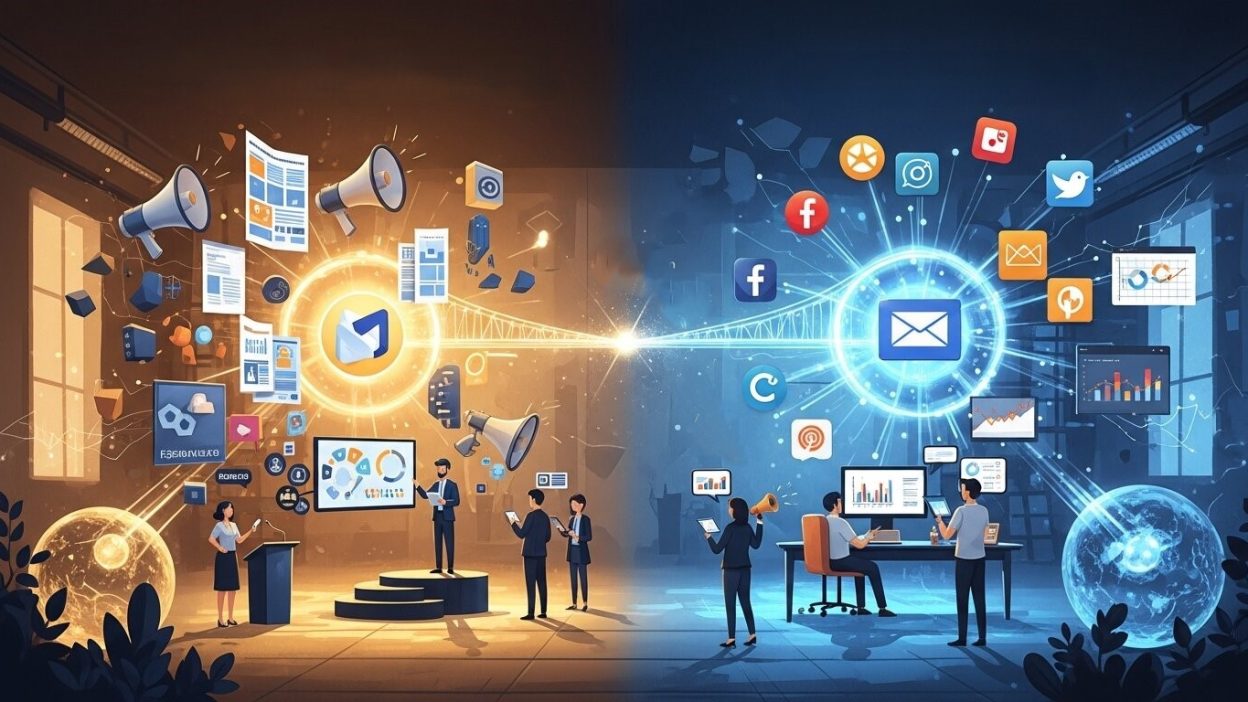
Marketing communication vs digital marketing both play vital roles in modern business strategy. Marketing communication builds broad brand awareness, while digital marketing drives targeted engagement and measurable results. Together, they create a powerful, integrated approach that fuels long-term growth.
Marketing today is no longer just about advertising—it is about building relationships, delivering value, and creating meaningful interactions across multiple touchpoints. With the rise of digital platforms, businesses must now navigate both traditional and online marketing strategies to stay competitive. Understanding the distinction between marketing communication and digital marketing is essential for creating a well-structured and effective marketing plan that aligns with business goals and audience expectations.
What Is Marketing Communication?
Marcom (Marketing Communication) is a broad and strategic set of processes, tools, and practices used by organizations to convey information about their products, services, values, and brand identity to their target audience. It is not limited to a single platform or medium; instead, it encompasses both online and offline communication channels to ensure maximum reach and impact. When comparing marketing communication vs digital marketing, marketing communication clearly has a wider scope that includes traditional and modern methods of engagement.
The primary objective of marketing communication is to build brand awareness, create meaningful engagement, establish trust, and ultimately influence customer behavior in favor of the brand. It aims to inform, persuade, and remind audiences about a company’s offerings in a consistent and compelling way.
Core Components of Marketing Communication
Marketing communication involves a diverse mix of channels and tools that work together to deliver a unified brand message. These include:
-
Advertising: Paid promotions such as TV commercials, radio ads, billboards, print media, and online banner advertisements designed to reach a mass audience.
-
Public Relations (PR): Press releases, media relations, corporate events, and brand storytelling initiatives that help shape public perception and maintain a positive reputation.
-
Sales Promotions: Short-term incentives such as discounts, coupons, giveaways, contests, and loyalty programs that encourage immediate action.
-
Direct Marketing: Personalized outreach through emails, brochures, catalogs, or targeted mail campaigns—including Direct Mail Marketing—to engage specific customer segments.
-
Branding: Visual and verbal identity elements like logos, taglines, color schemes, and brand messaging that communicate what a company stands for.
A Key Distinction in Marketing Communication
One of the major differences when analyzing marketing communication vs digital marketing is that marketing communication is not restricted by medium. It integrates both traditional (offline) and digital (online) channels to create a cohesive and unified brand presence.
For example, a large-scale product launch campaign might include:
- A press release distributed to industry magazines and news outlets (PR)
- A coordinated social media campaign to generate excitement and anticipation (digital marketing)
- Printed flyers or brochures distributed in targeted local areas (direct marketing)
This integrated approach ensures that the brand message remains consistent across all touchpoints, reinforcing credibility and creating a strong, recognizable brand voice.
What Is Digital Marketing?
Digital marketing, in contrast, is a specialized subset of marketing communication that focuses exclusively on online platforms and digital technologies. When discussing marketing communication vs digital marketing, digital marketing is more targeted, data-driven, and technology-dependent.
It involves using internet-based tools, platforms, and strategies to connect with potential customers in real time. Digital marketing allows businesses to engage with audiences through websites, search engines, social media, email, and online advertising.
Core Components of Digital Marketing
Digital marketing includes several key disciplines that help businesses build visibility, engagement, and conversions online:
-
Search Engine Optimization (SEO): Optimizing website content to rank higher on search engines like Google and drive organic traffic.
-
Content Marketing: Creating valuable and engaging content such as blog posts, videos, infographics, and guides to attract and educate audiences.
-
Social Media Marketing: Using platforms like Instagram, LinkedIn, Facebook, and Twitter for both organic engagement and paid advertising.
-
Email Marketing: Sending personalized and automated email campaigns to nurture leads and maintain customer relationships.
-
Pay-Per-Click (PPC) Advertising: Running paid ads on Google, social media, or display networks to reach highly targeted audiences.
-
Analytics and Tracking: Using tools like Google Analytics, Facebook Insights, and marketing dashboards to measure performance and optimize campaigns.
Unique Strengths of Digital Marketing
A major advantage of digital marketing in the debate of marketing communication vs digital marketing is its ability to track and measure performance with precision. Businesses can analyze metrics such as impressions, clicks, engagement rates, conversions, and return on investment (ROI) in real time.
This data-driven approach allows marketers to refine strategies, improve targeting, and maximize results. Unlike traditional marketing communication, where results can be harder to measure, digital marketing provides clear, actionable insights.
Marketing Communication vs Digital Marketing
Now that we’ve defined both terms, it’s important to highlight their differences and synergies. Below is a breakdown of how marketing communication and digital marketing compare:
| Aspect | Marketing Communication | Digital Marketing |
|---|---|---|
| Scope | Broad (includes traditional and digital channels) | Limited to online platforms |
| Reach | Offline and online audiences | Primarily online audiences |
| Metrics | Harder to measure ROI | Highly measurable |
| Cost | Traditional channels can be costly | Scalable budgets |
| Key Tools | TV, radio, print, PR | Social media, SEO, PPC |
The Role of the Customer Journey
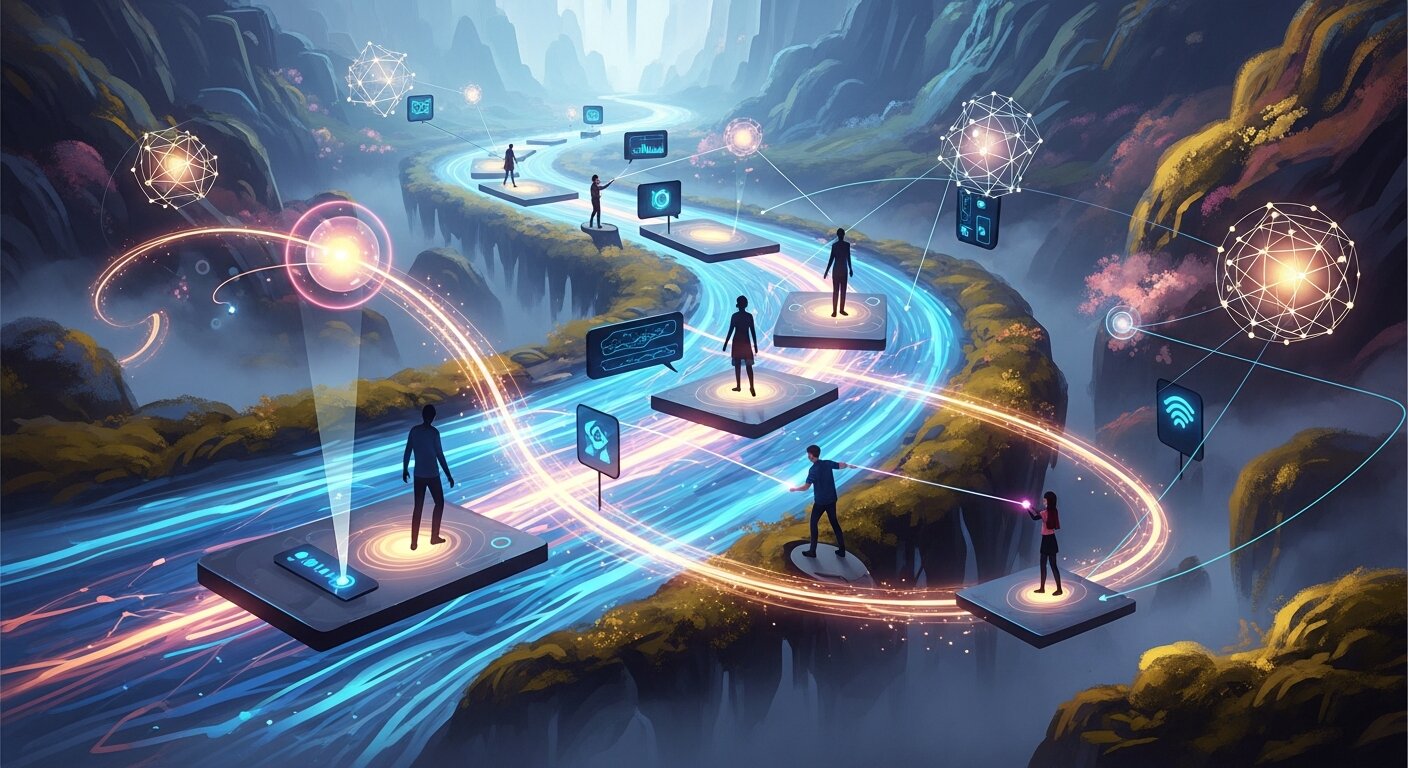
Both marketing communication and digital marketing play crucial roles in shaping the customer journey, from awareness to consideration, decision, and ultimately conversion. When comparing marketing communication vs digital marketing, both are essential but serve different purposes at different stages of the journey.
Marketing communication helps create the very first touchpoint through branding, public relations, traditional advertising, and direct outreach. These elements build initial awareness, credibility, and recognition, especially among broader audiences who may not be actively searching online. At this stage, storytelling, reputation management, and emotional appeal are key drivers of engagement.
On the other hand, digital marketing takes over as customers move further along the journey. It nurtures relationships through personalized online interactions such as targeted emails, social media engagement, retargeting ads, and valuable content. This helps businesses stay connected with potential customers, answer their questions, and guide them closer to making a purchase. In the ongoing discussion of marketing communication vs digital marketing, understanding how customers transition between these stages enables businesses to design more effective, integrated strategies that create a seamless experience from first impression to final decision.
Consistency in Brand Messaging
A strong and trustworthy brand relies heavily on consistent messaging across all platforms and touchpoints. In the context of marketing communication vs digital marketing, consistency acts as the bridge that connects offline and online efforts into one unified brand experience.
Marketing communication ensures that the core message, tone, and values of the brand remain aligned in traditional channels such as print advertisements, television commercials, radio spots, billboards, and in-person events. These channels help shape public perception and reinforce brand identity in the physical world.
Meanwhile, digital marketing reinforces the same message through social media posts, email campaigns, website content, and online advertisements. When both approaches work in harmony, they eliminate mixed messaging, build trust, and strengthen credibility. This alignment helps create a recognizable and memorable brand identity that resonates deeply with the audience, regardless of where they encounter the brand.
When to Use Marketing Communication
Marketing communication is most effective for organizations that want to build a comprehensive, overarching marketing strategy that integrates both offline and online efforts. When analyzing marketing communication vs digital marketing, marketing communication is the better choice for businesses that need broad reach and brand visibility across multiple channels.
It works particularly well for companies targeting a wide demographic, such as local businesses, retail stores, healthcare providers, or community-based organizations. For example, a local restaurant may use a combination of newspaper ads, flyers, radio promotions, and social media to attract different segments of the community.
In the framework of marketing communication vs digital marketing, this approach ensures that no audience segment is overlooked. By combining traditional outreach with digital engagement, businesses can maximize their visibility, strengthen brand recall, and create a more inclusive marketing strategy that reaches both online and offline consumers.
When to Use Digital Marketing
If your target audience is primarily tech-savvy and spends most of their time online, digital marketing becomes the most powerful tool in the comparison of marketing communication vs digital marketing. It allows businesses to reach customers where they are most active—on search engines, social media platforms, websites, and mobile apps.
Digital marketing is especially effective for eCommerce brands, SaaS companies, startups, and businesses that rely heavily on online sales and lead generation. With tools like SEO, PPC advertising, social media marketing, and email automation, companies can precisely target their ideal customers based on behavior, interests, and demographics.
In the broader perspective of marketing communication vs digital marketing, digital marketing stands out for its scalability, real-time tracking, and ability to deliver personalized experiences. Businesses can test, optimize, and refine their campaigns continuously, ensuring better performance, higher engagement, and stronger return on investment.
Budget Allocation and Strategy Planning

Choosing between marketing communication and digital marketing often depends on budget, resources, and overall business goals. When evaluating marketing communication vs digital marketing, companies must consider both short-term and long-term objectives. Traditional marketing communication methods—such as TV ads, print media, and large-scale events—can be highly effective but often come with significant costs. In contrast, digital marketing provides more flexible, scalable, and cost-efficient alternatives that allow businesses to start small and gradually expand.
In the debate of marketing communication vs digital marketing, smart businesses allocate resources based on audience behavior, campaign objectives, and expected return on investment (ROI). By balancing both approaches, organizations can create a well-rounded marketing plan that maximizes reach, engagement, and profitability.
Technology and Tools in Modern Marketing

Technology plays a central role in shaping both marketing communication and digital marketing strategies. When comparing marketing communication vs digital marketing, digital marketing relies heavily on advanced technological tools such as analytics platforms, marketing automation software, artificial intelligence, and customer relationship management (CRM) systems. These tools help marketers track performance, personalize campaigns, and make data-driven decisions.
Meanwhile, marketing communication benefits from creative and strategic tools used for branding, media planning, and campaign execution. Graphic design software, content creation tools, and traditional media planning resources ensure consistent brand messaging across offline and online channels. In the broader perspective of marketing communication vs digital marketing, combining traditional creativity with digital innovation results in smarter, more impactful marketing strategies that deliver measurable results.
How Marketing Communication and Digital Marketing Work Together
Rather than choosing between marketing communication vs digital marketing, successful marketers integrate both approaches to create a seamless and engaging customer experience across all touchpoints. Each plays a distinct but complementary role in building brand awareness, nurturing relationships, and driving conversions.
Example of Integration
Consider the launch of a new product:
Traditional Marketing:
- A press event announcing the launch to industry leaders and media
- Flyers and brochures distributed at in-store locations
Digital Marketing:
- Social media teasers building anticipation before the launch
- Influencer partnerships to generate online buzz
- PPC ads driving targeted traffic to the product page
In the context of marketing communication vs digital marketing, offline efforts generate initial awareness and credibility, while digital elements support engagement, interaction, and sales. Together, they strengthen the overall campaign and ensure that every segment of the audience is effectively reached.
Common Mistakes to Avoid
Many businesses struggle with the balance of marketing communication vs digital marketing, often favoring one over the other. Some focus solely on digital marketing while neglecting traditional branding efforts, while others rely too heavily on offline methods without leveraging digital opportunities.
Another common mistake is inconsistent messaging across channels, which can confuse customers and weaken brand perception. To avoid these pitfalls, businesses must adopt a holistic approach where marketing communication and digital marketing work in harmony rather than in isolation.
Future of Marketing Communication and Digital Marketing
As technology continues to evolve, the relationship between marketing communication vs digital marketing will become even more interconnected. Emerging trends such as artificial intelligence, machine learning, automation, and data analytics will redefine how brands communicate with their audiences.
Omnichannel marketing—where customers experience seamless interactions across multiple platforms—will become the standard. Businesses that stay adaptable, innovative, and customer-centric will thrive in the future of marketing communication vs digital marketing.
Why It Matters for Businesses Today
Understanding the distinction and synergy between marketing communication vs digital marketing is essential for success in today’s competitive marketplace. Modern consumers expect consistent, personalized, and meaningful interactions with brands across all channels.
By leveraging both marketing communication and digital marketing, businesses can build stronger relationships, enhance brand credibility, and improve customer loyalty. Clarity in marketing communication vs digital marketing also helps organizations make smarter budget decisions:
- Small businesses with limited budgets can prioritize digital marketing for quicker, measurable results.
- Larger enterprises can benefit from integrated campaigns that combine traditional branding with digital performance marketing.
Your Next Steps to Build a Cohesive Marketing Strategy
Rather than viewing marketing communication vs digital marketing as a competition, businesses should see them as complementary components of a unified strategy. When integrated effectively, they create a powerful framework for sustainable growth.
Frequently Asked Questions
1. Is digital marketing part of marketing communication?
Yes. Digital marketing is a subset of marketing communication that focuses specifically on online channels and digital platforms, playing a key role in mastering marketing communication tools to amplify your brand.
2. Which is better: marketing communication or digital marketing?
Neither is universally better. The best approach depends on your business goals, target audience, and budget. Most successful businesses use a combination of both.
3. Can small businesses rely only on digital marketing?
Yes, many small businesses can achieve strong results with digital marketing, especially if their audience is primarily online. However, some offline elements can still add value.
4. Why is consistency important in both?
Consistency builds trust and brand recognition. Mixed messages across channels can confuse customers and weaken brand credibility.
5. How do businesses measure success in both?
Digital marketing is measured using analytics (clicks, conversions, engagement), while traditional marketing communication is often measured through brand awareness, reach, and market perception.