

Integrated Service Marketing Communication (ISMC) connects all marketing and service touchpoints to deliver a seamless brand experience. By adopting an Integrated Marketing Strategy, businesses can build trust, boost loyalty, and improve ROI. Consistency, customer focus, and cross-channel coordination are the keys to success.
In today’s fast-paced digital world, marketing is no longer about scattering messages and hoping they stick. Businesses need a cohesive approach that aligns branding, messaging, and service delivery across all channels. Integrated Service Marketing Communication (ISMC) ensures your customers receive a consistent, meaningful experience every time they interact with your brand
What Is Integrated Service Marketing Communication?
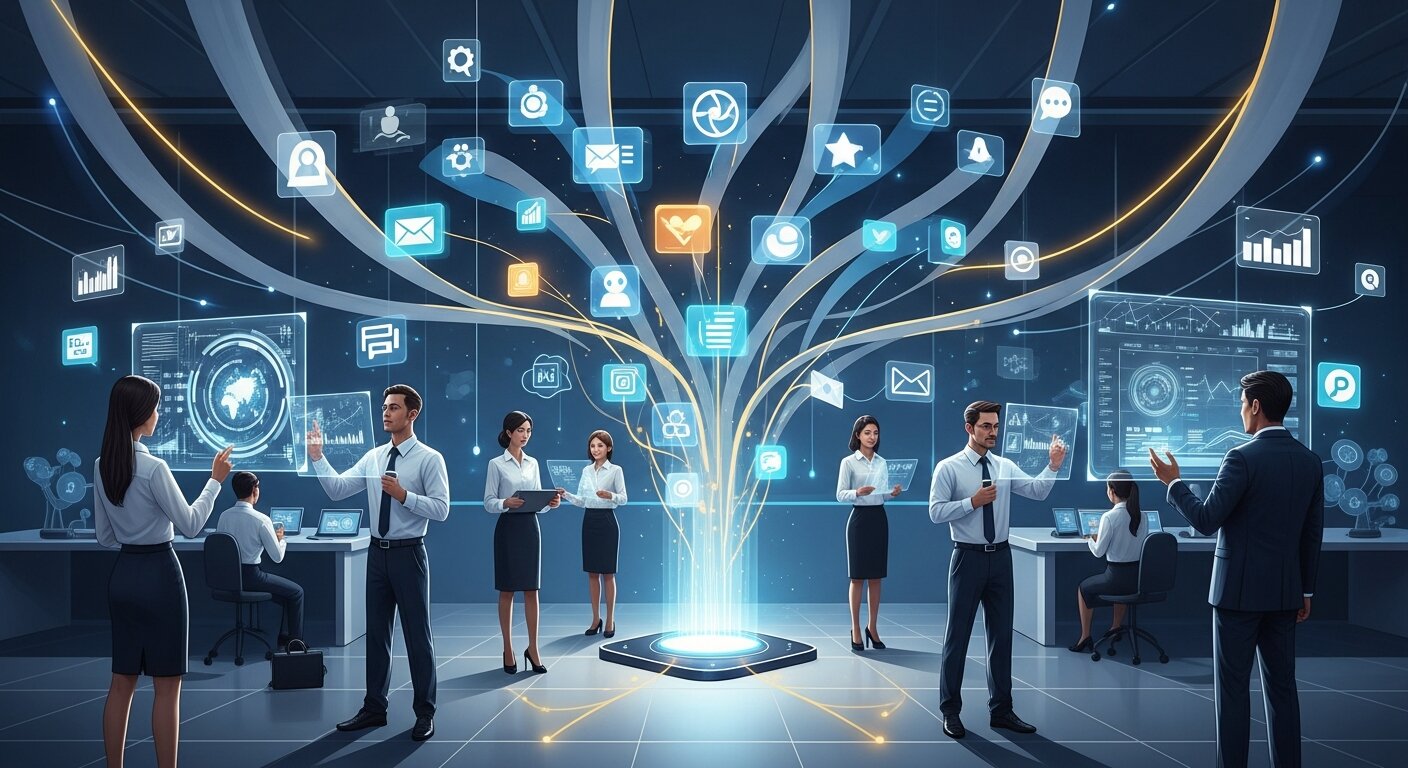
Integrated Service Marketing Communication (ISMC) is a modern, strategic approach to marketing that seeks to align marketing efforts, branding initiatives, and service delivery under a single, coherent framework. Unlike traditional marketing tactics that often operate independently, ISMC ensures that every customer interaction—whether digital, in-person, or via customer support—reflects the same brand voice, values, and messaging. By coordinating all communication efforts, businesses can create a seamless, high-quality experience for their customers.
In today’s competitive business environment, adopting an Integrated Marketing Strategy is no longer optional—it is essential. Companies must maintain a consistent, unified presence across multiple channels to capture attention, build trust, and foster loyalty. Without this integration, brands risk sending mixed messages that confuse customers and dilute their overall brand identity.
ISMC brings together a wide range of marketing tactics—advertising, social media campaigns, public relations, content marketing, and customer service—into a cohesive approach. The goal is not only to communicate effectively but also to ensure that each touchpoint reinforces the brand’s overall story. For instance, a company employing ISMC might launch a product with a synchronized campaign that includes teaser posts on Instagram, targeted email communications, in-store promotional events, and engaging website content. By maintaining consistent messaging across all channels, the company strengthens its brand credibility and builds customer trust. This holistic approach forms the backbone of a successful Integrated Marketing Strategy, enabling businesses to communicate clearly and authentically with their audience.
How ISMC Differs from Traditional Marketing Approaches
Traditional marketing often functions in silos, with each department or channel focusing on its own objectives. Marketing teams might create advertisements, social media managers post content independently, and customer service handles inquiries without connecting to the broader brand strategy. While this approach can generate isolated results, it often leads to fragmented messaging, inconsistent brand experiences, and missed opportunities for engagement.
ISMC, on the other hand, emphasizes coordination, alignment, and a customer-centric approach. Every touchpoint—whether an email, social media post, in-store interaction, or customer support call—is designed to reinforce the same core brand values and objectives. This ensures that the customer perceives a coherent, reliable, and engaging experience every time they interact with the business.
For example, consider a company launching a sustainability initiative. With a traditional marketing approach, the social media team might promote eco-friendly products, while the in-store team may not communicate the same message, leading to confusion. In contrast, ISMC ensures that all channels—emails, social media, in-store signage, and customer support—deliver the same narrative, reinforcing the brand’s commitment to sustainability. This coordinated effort is a hallmark of a strong Integrated Marketing Strategy, which not only improves brand perception but also encourages customer loyalty, repeat purchases, and advocacy.
By bridging gaps between departments and channels, ISMC helps businesses create a seamless, consistent, and meaningful brand experience. Companies that implement this approach as part of a broader Integrated Marketing Strategy are better positioned to meet evolving customer expectations, navigate the complexities of digital and offline channels, and drive measurable business results.
Why ISMC Matters for Businesses Today
The importance of ISMC is especially clear in today’s digital-first landscape, where customers engage with brands through multiple platforms simultaneously. Here’s why integrating ISMC into your operations can transform your business:
- Creates a Unified Brand Message
An ISMC approach ensures messaging is consistent across platforms, which builds credibility and trust. Consumers value authenticity, and a cohesive brand presence strengthens your reputation. For instance, if your social media content emphasizes sustainability but in-store practices differ, you risk losing customer confidence. A strong Integrated Marketing Strategy helps align all messaging to avoid such conflicts. - Improves Customer Experience
Customers interact with brands through websites, apps, emails, and physical locations. ISMC ensures each touchpoint is seamless and coherent, enhancing satisfaction and increasing conversion rates. When ISMC is applied correctly, it becomes a vital part of an Integrated Marketing Strategy that prioritizes customer-centric communication and personalization. - Boosts Efficiency
By unifying communication efforts, ISMC reduces duplicated campaigns, lowers marketing costs, and aligns teams toward common objectives. Marketing, sales, and support teams can collaborate more effectively, improving productivity. This operational efficiency is a direct benefit of embedding ISMC within an Integrated Marketing Strategy. - Engages Multichannel Audiences
Today’s consumers interact with brands across social media, emails, websites, and messaging apps. ISMC ensures your message reaches them consistently on every channel. A well-executed Integrated Marketing Strategy leverages ISMC to deliver seamless communication that meets customers wherever they are. - Drives Better ROI
ISMC allows businesses to use data to optimize campaigns, measure performance, and focus on strategies that work best. The insights gained from an integrated approach feed back into your Integrated Marketing Strategy, enhancing future campaigns and delivering a stronger return on investment.
Key Elements of Integrated Service Marketing Communication
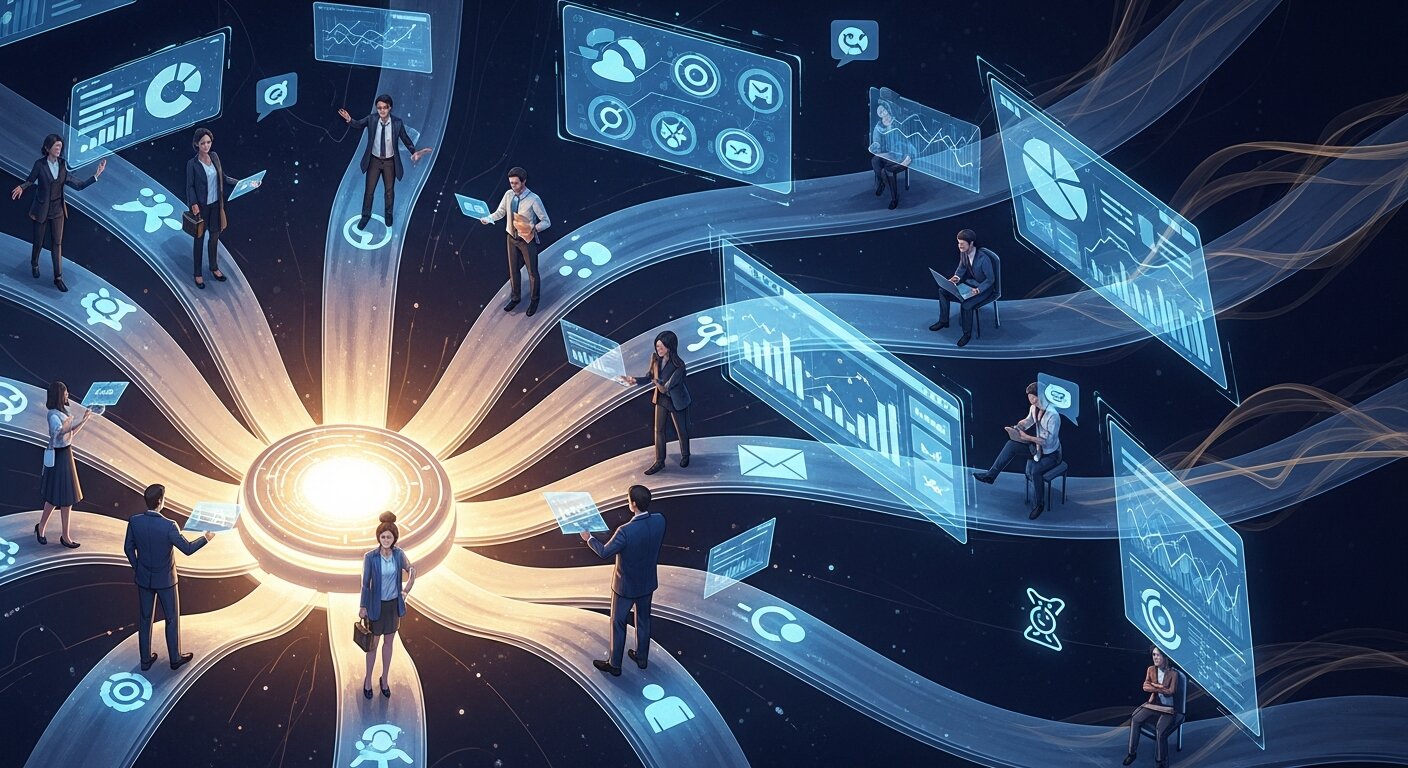
To implement ISMC effectively, it’s essential to understand its core components. Each element works together to deliver a unified and impactful brand experience that aligns with an Integrated Marketing Strategy.
Consistency Across Channels
Consistency is the backbone of ISMC. Every communication piece—from emails and advertisements to website content and social media posts—must align with your brand’s voice, values, and visuals. Maintaining this consistency is crucial for any Integrated Marketing Strategy, ensuring that your audience experiences the same message across all touchpoints.
Customer-Centric Approach
ISMC places customers at the heart of your marketing efforts. Understanding their preferences, behaviors, and pain points allows you to create personalized experiences that resonate deeply. A successful Integrated Marketing Strategy leverages these insights to craft messages that connect with customers on every channel.
Cross-Functional Collaboration
Effective ISMC requires collaboration across departments such as marketing, sales, customer service, and operations. Alignment between teams ensures everyone works toward common goals. Integrating this collaboration into your Integrated Marketing Strategy strengthens execution and prevents siloed efforts.
Data-Driven Insights
Data is a critical driver of ISMC. By tracking campaign performance and analyzing customer interactions, businesses can refine their messaging and strategies for maximum impact. These insights are central to a results-oriented Integrated Marketing Strategy, allowing for continuous optimization and improved ROI.
Integration of Traditional and Digital Marketing
ISMC merges both traditional channels (print, TV, radio) and digital channels (social media, email, PPC) to maximize reach and impact. A well-rounded Integrated Marketing Strategy combines these approaches to engage audiences wherever they are, ensuring cohesive messaging and stronger brand recall.
Steps to Implement Integrated Service Marketing Communication
Once you understand ISMC’s elements, implementing it in your business requires a clear plan. Following these steps ensures your ISMC efforts align with a comprehensive Integrated Marketing Strategy.
Define Your Brand Identity
Clarify your brand’s vision, mission, and values. These principles form the foundation for all communication efforts. Your brand identity should shine through in every message, forming the core of your Integrated Marketing Strategy.
Understand Your Target Audience
Research your customers’ needs, interests, and habits. Develop detailed buyer personas and use this information to guide your messaging, channel selection, and campaign design. Incorporating these insights is critical to creating a customer-focused Integrated Marketing Strategy.
Audit Your Current Channels
Review all existing communication channels to ensure alignment. Are messages consistent? Is branding cohesive? Identify gaps or inconsistencies and address them. This step ensures that your ISMC approach supports your overall Integrated Marketing Strategy.
Create an Integrated Strategy
Develop a plan that connects all campaigns and channels. For example, launch a new product with Instagram teaser posts, follow up with email campaigns, and complement these with blog content and paid ads, all reflecting the same visuals and messaging. This approach forms the operational heart of your Integrated Marketing Strategy.
Train Your Team
Educate all departments interacting with customers on the ISMC strategy. Training ensures consistent tone, messaging, and brand voice, which strengthens your Integrated Marketing Strategy by aligning every touchpoint.
Leverage Technology
Use marketing automation tools and CRM software to streamline efforts. Platforms like HubSpot, Salesforce, and Marketo help manage campaigns, analyze data, and deliver personalized communication. Leveraging technology effectively is a key component of a modern Integrated Marketing Strategy.
Monitor, Measure, and Adjust
Track performance using KPIs like engagement rate, conversion rate, and customer satisfaction. Analyze results to refine strategies and improve future campaigns. Continuous measurement ensures that your ISMC efforts remain aligned with your long-term Integrated Marketing Strategy, delivering maximum ROI.
Real-World Example of ISMC in Action
One stellar example of ISMC is Starbucks. From the moment a customer opens their mobile app to stepping into a Starbucks store, the brand delivers a seamless, customer-focused experience. Their mobile app is not just a loyalty platform—it integrates payment, rewards, and personalized offers based on purchase history and preferences.
Across social media, Starbucks consistently shares content that reflects its brand values, such as sustainability, community engagement, and innovation. These messages are echoed in-store through décor, product offerings, and staff interactions, creating a unified experience. Even their email campaigns, push notifications, and promotional ads are carefully coordinated to reinforce the same brand story.
By harnessing customer data, Starbucks personalizes communications and offers in real time. For example, a loyal customer may receive a birthday reward notification on their app, see a related Instagram post, and encounter signage in-store highlighting the same promotion. This integrated approach ensures the customer feels valued at every touchpoint, strengthening loyalty and fostering long-term engagement.
This is precisely how a well-executed Integrated Marketing Strategy works. Starbucks demonstrates that when ISMC is implemented thoughtfully, it’s possible to create a cohesive brand experience that delights customers, encourages repeat business, and reinforces the brand identity across all channels.
Integrating Marketing Communication for Long-Term Success
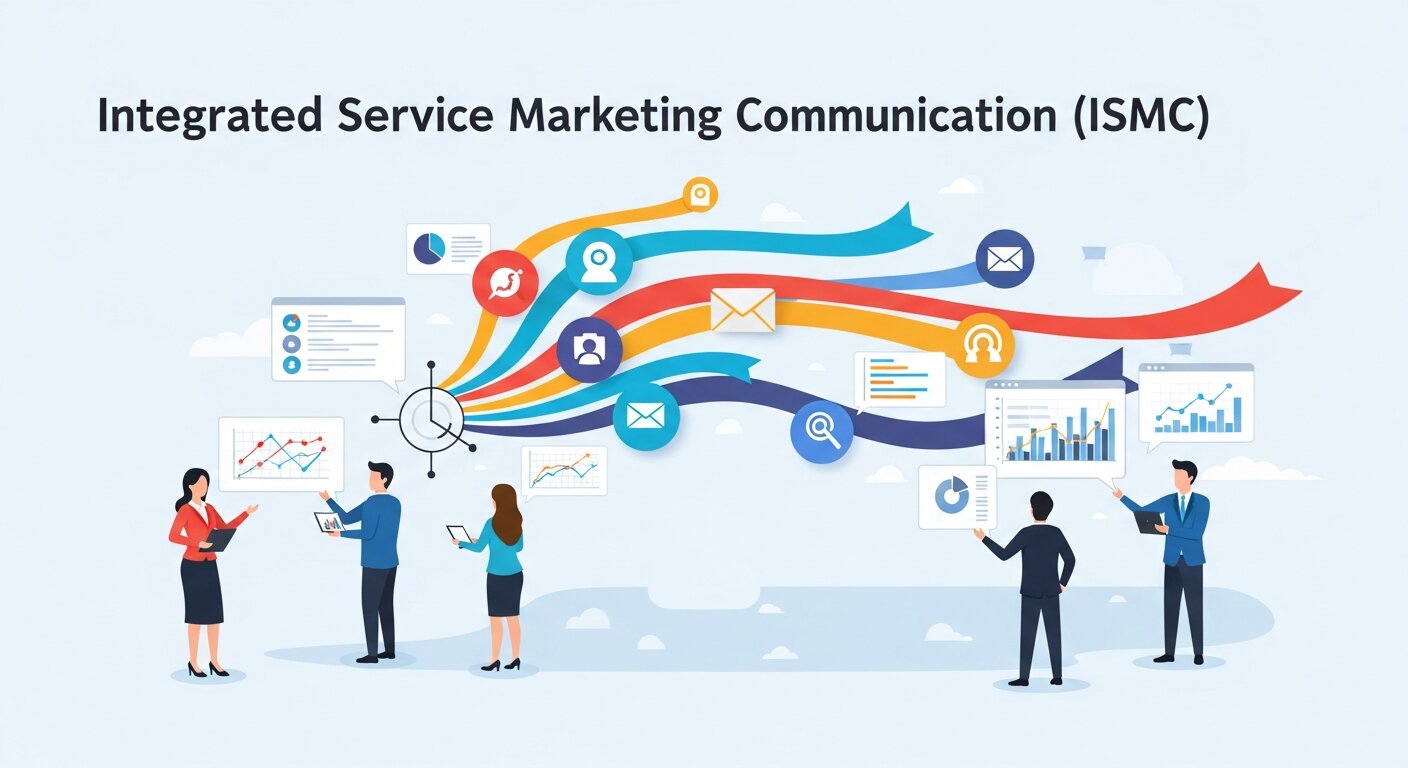
Integrated Marketing Communication (IMC) is not just marketing jargon—it’s a necessity in today’s networked, multi-channel world. Customers interact with brands across websites, social media, emails, apps, and physical stores. Offering a consistent brand narrative across these platforms builds trust, enhances customer experience, and ultimately drives loyalty.
Mastering ISMC—and embedding it within a larger Integrated Marketing Strategy—requires patience, coordination, and continuous refinement. Begin by clearly establishing your brand identity and values. Next, align all communication channels slowly but deliberately, ensuring that every message, post, and interaction reflects the same core principles. Over time, this alignment strengthens your reputation and fosters meaningful relationships with your audience.
Businesses that embrace ISMC as part of their Integrated Marketing Strategy can enjoy several long-term benefits:
- Stronger Customer Relationships: Customers are more likely to return to brands that provide seamless, consistent experiences.
- Higher Efficiency: Integrated campaigns reduce duplication and optimize marketing spend.
- Improved Brand Recognition: A cohesive narrative makes your brand instantly recognizable across channels.
- Better ROI: By tracking performance and adjusting campaigns in real time, you maximize the return on your marketing investment.
While the journey to mastering ISMC may not happen overnight, the payoff in terms of customer satisfaction, brand loyalty, and profit growth is well worth the effort. Companies that invest in a structured Integrated Marketing Strategy—supported by data, technology, and cross-department collaboration—position themselves for sustainable success in an increasingly competitive digital world.
If you want to fully understand the impact of effective service marketing communication on your brand, consulting professionals can help map your strategy, implement best practices, and ensure that all channels deliver a unified, compelling message. This approach is no longer optional—it’s essential for businesses aiming to thrive in the age of connected, empowered consumers.
Frequently Asked Questions (FAQ)
What is Integrated Service Marketing Communication (ISMC)?
ISMC is a strategic marketing approach that aligns branding, marketing, and service delivery to provide a consistent customer experience across all channels.
How does ISMC differ from traditional marketing?
Unlike traditional marketing that often works in silos, ISMC integrates all communication channels, ensuring that every customer interaction reinforces the same brand values.
Why is ISMC important for my business?
ISMC helps build trust, improve customer experience, boost efficiency, and drive better ROI by delivering a seamless, cohesive message across multiple channels.
How does ISMC relate to an Integrated Marketing Strategy?
ISMC is a core component of an Integrated Marketing Strategy, ensuring all campaigns, channels, and teams work together toward a unified brand experience.
Can ISMC work for small businesses?
Yes! Even small businesses can benefit from aligning their marketing, branding, and customer interactions to deliver a consistent and professional experience.
How can I implement ISMC effectively?
Start by defining your brand identity, understanding your audience, auditing channels, creating an integrated strategy, training teams, leveraging technology, and continuously monitoring performance.


