

Marketing communication tools empower brands to connect effectively with their audiences. When used strategically, they enhance engagement, build trust, and drive measurable business growth. A well-integrated mix of tools ensures long-term marketing success.
In today’s fast-paced and highly competitive business environment, effective communication is more important than ever. Brands are no longer just competing on products or prices—they are competing on how well they connect, engage, and build relationships with their audiences. Marketing communication tools serve as the bridge between businesses and customers, enabling clear, consistent, and impactful messaging across multiple channels. From traditional advertising to digital platforms, these tools empower brands to influence perceptions, drive engagement, and achieve measurable business outcomes. Understanding and strategically using marketing communication tools is essential for any organization looking to thrive in the modern marketplace.
What Are Marketing Communication Tools?

Methods, technologies or platforms used by corporations to convey messages to increase their target audience is called marketing communication tools. These tools make it possible for us to exchange information, ideas, and values with customers so that relationships are built and decisions on purchase made collectively.
Marketing tools exist in all its forms, from traditional advertising media such as print and television commercials, through to digital tactics like email campaigns or social media posts. Each has its own function, supplying customized solutions for one’s target audience in order to attract, inform and invite them to join you.
Your choice of tools will be influenced by factors such as your target audience and budget for marketing work but primarily by the overall objectives that are being pursued. Knowing what tasks are involved in each different job and how these will harmonize is essential to develop a good strategy.
Why Marketing Communication Tools Are Crucial
Marketing Communication: The Complete Guide to Building Brand Connections — Marketing communication tools play an indispensable role in connecting brands with their customers. Here’s why they matter:
- Customer Engagement: These tools open up channels to interact with your audience and foster deeper connections.
- Brand Awareness: Consistent messaging through these tools increases your brand’s visibility and recognition.
- Lead Generation: Well-crafted campaigns and strategies can pull in potential customers.
- Sales Growth: Communication tools drive conversions with clear, compelling messaging aligned with customer needs.
- Feedback and Insights: Many tools provide valuable insights into customer behavior, enabling businesses to refine their strategies.
From small startups to established corporations, every business can benefit from a tailored selection of marketing tools to amplify their message.
Types of Marketing Communication Tools
Advertising
Advertising remains one of the most influential and widely used marketing communication tools. It enables brands to promote their products, services, or messages across multiple platforms to reach their desired audience effectively. Whether through digital or traditional channels, advertising helps create brand awareness, generate interest, and influence purchasing decisions.
Examples:
Digital Ads
Platforms like Google Ads, Facebook Ads, Instagram Ads, and LinkedIn Ads allow businesses to run highly targeted campaigns based on demographics, interests, online behavior, and search intent. Digital advertising offers real-time tracking, allowing marketers to optimize performance, reduce costs, and improve return on investment (ROI).
Traditional Media
Despite the rise of digital marketing, traditional advertising methods such as television commercials, radio jingles, newspapers, and magazines still play a significant role in reaching broad audiences. These channels are especially effective for local businesses, corporate branding, and industries where mass visibility is essential.
Tip:
Use digital advertising for precision targeting, personalization, and measurable results, while combining it with traditional advertising to enhance credibility, brand presence, and broader audience reach.
Public Relations (PR)
Public Relations (PR) focuses on managing how a brand is perceived by the public. It involves strategic communication to build credibility, strengthen relationships, and maintain a positive reputation. PR is not about selling directly but about influencing opinions, building trust, and shaping brand image through storytelling and media engagement.
Examples:
Press Releases
Press releases are official announcements used to share news about product launches, company achievements, partnerships, events, or major updates. They help businesses gain media coverage and establish authority in their industry.
Media Outreach
Engaging with journalists, bloggers, and influencers can significantly amplify a brand’s message. Strong media relationships increase the chances of getting featured in news articles, interviews, or industry publications.
Tip:
Maintain a consistent brand narrative across all PR activities to ensure authenticity, transparency, and long-term credibility.
Content Marketing
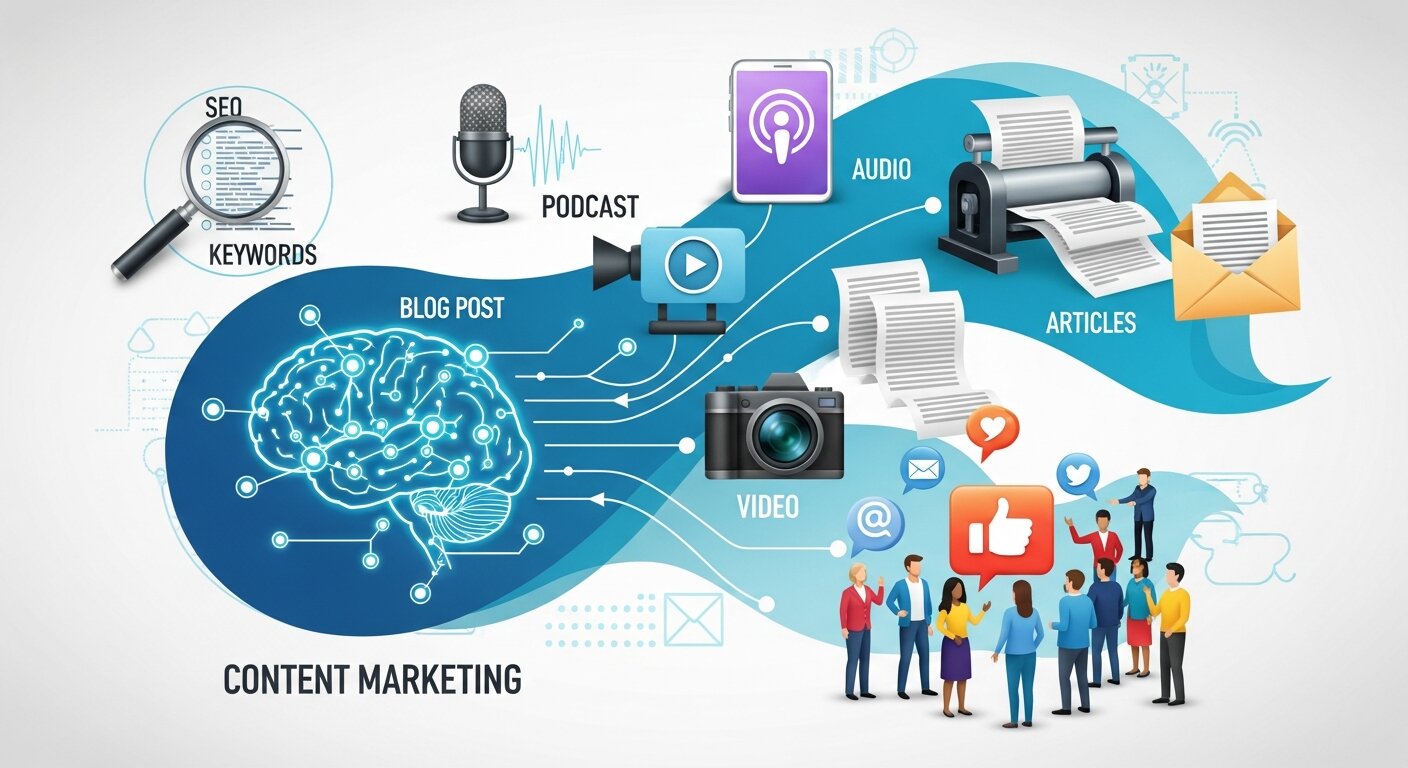
Content marketing revolves around creating valuable, informative, and engaging content that attracts and retains customers. Instead of directly promoting products, businesses provide helpful information that builds trust and positions them as industry experts.
Examples:
Blogs
Educational and thought-leadership blog posts help businesses establish authority, improve SEO rankings, and provide value to their audience.
Videos
Video content such as tutorials, product demonstrations, customer testimonials, and storytelling campaigns enhances engagement and improves brand recall.
Tip:
Focus on solving real customer problems through your content to increase trust, loyalty, and long-term engagement.
Social Media Marketing
Social media marketing has become a core component of modern marketing communication. Platforms like Instagram, Facebook, LinkedIn, Twitter, and TikTok allow brands to connect with audiences in real time, build relationships, and create interactive engagement.
Examples:
Instagram Reels
Short, creative, and visually appealing videos help brands increase visibility, reach new audiences, and boost engagement.
LinkedIn Posts
LinkedIn is ideal for B2B marketing, professional networking, thought leadership, and industry discussions.
Tip:
Use built-in analytics tools to track engagement, understand audience behavior, and refine your social media strategy accordingly.
Email Marketing
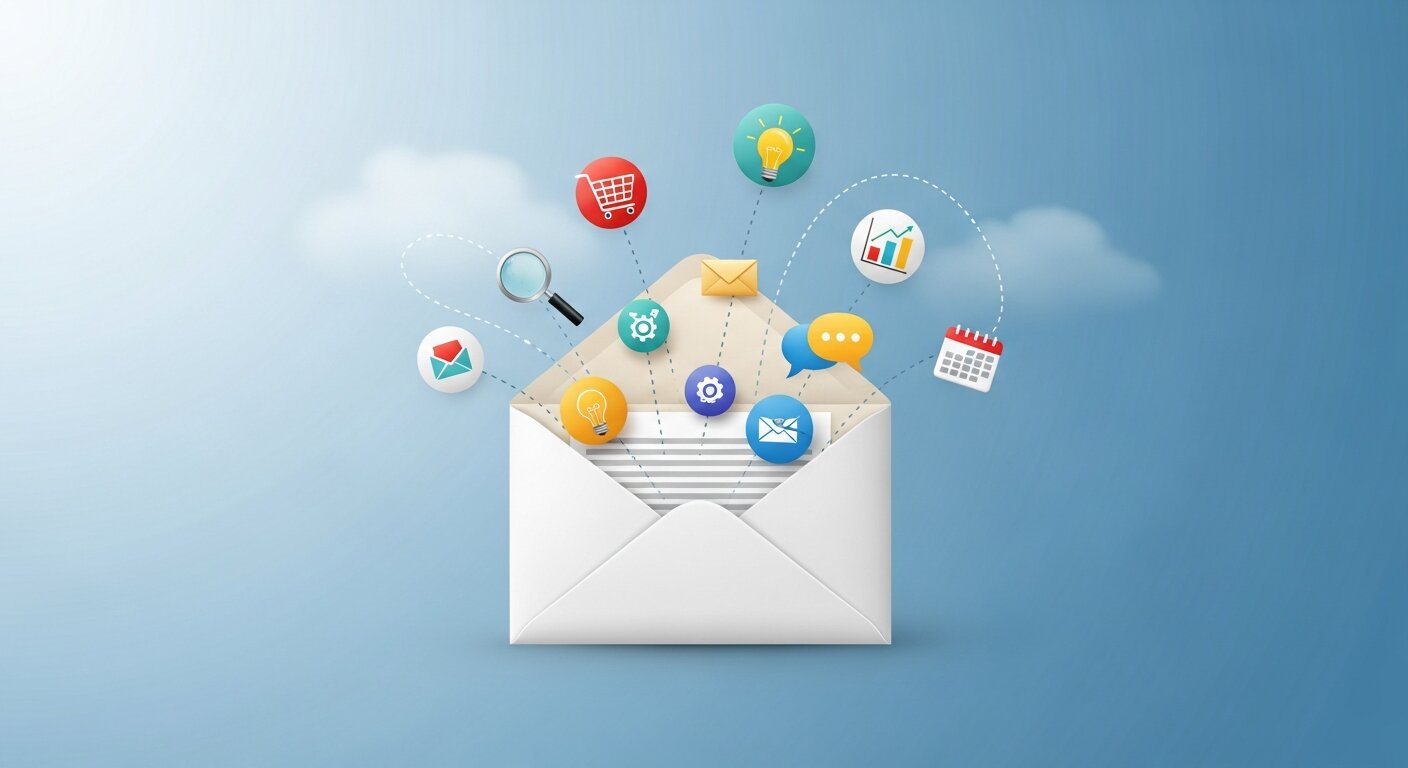
Email marketing remains one of the most effective and cost-efficient digital marketing tools. It allows businesses to communicate directly with their audience through personalized and targeted messaging.
Examples:
Newsletters
Regular email newsletters keep subscribers informed about company updates, industry insights, and valuable content.
Special Offers
Exclusive promotions, discounts, and limited-time deals sent via email encourage conversions and customer loyalty.
Tip:
Segment your email list based on customer behavior, preferences, and demographics to improve engagement and conversion rates.
Direct Marketing
Direct marketing focuses on personalized, one-to-one communication with potential or existing customers. It aims to generate immediate responses and measurable results.
Examples:
Direct Mail
Sending postcards, brochures, or personalized letters can be highly effective for local marketing, event promotions, and high-value clients.
SMS Marketing
Text message campaigns deliver time-sensitive offers, reminders, and updates directly to customers’ mobile devices.
Tip:
Always include a clear call to action (CTA), such as “Call Now,” “Visit Our Website,” or “Claim Your Offer,” to guide recipients toward the next step.
Marketing Automation Tools
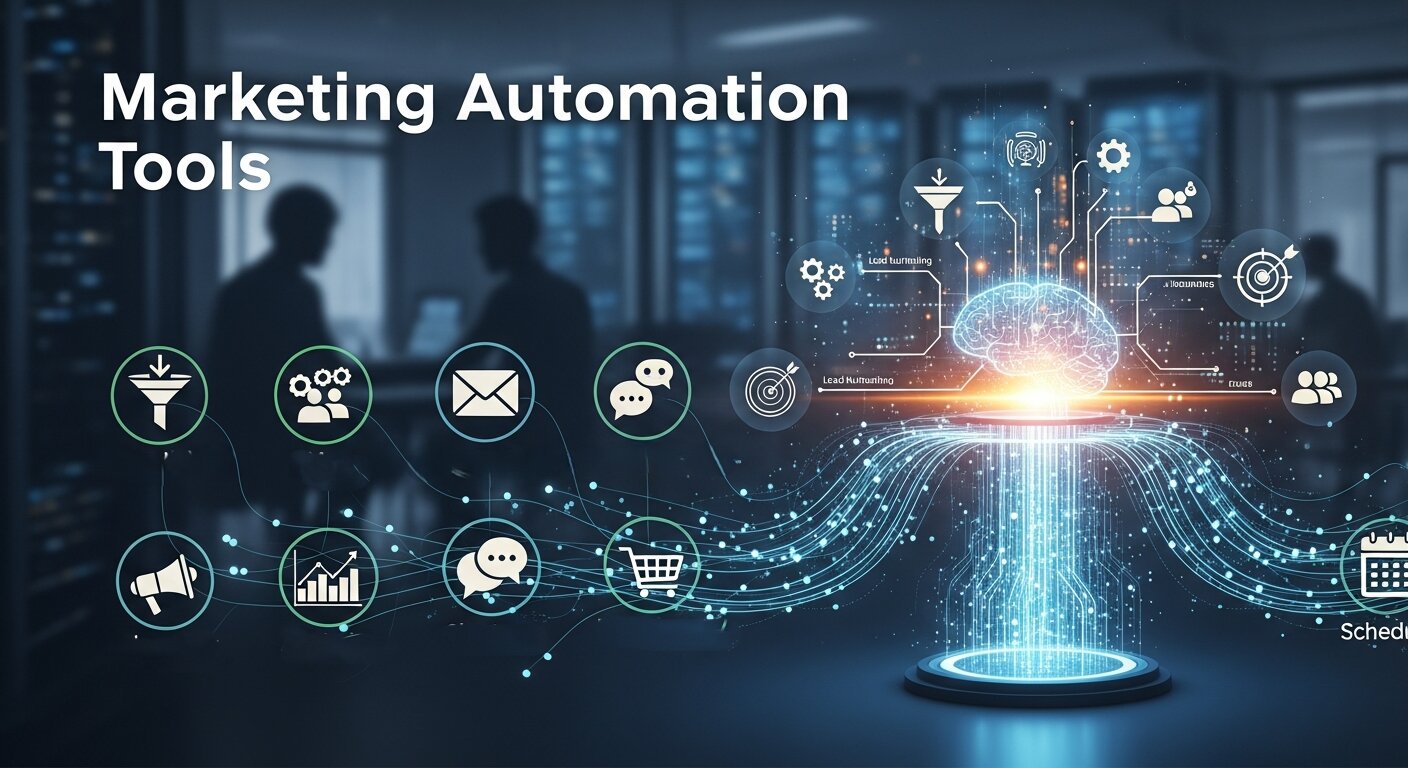
Marketing automation tools help businesses streamline repetitive tasks, improve efficiency, and deliver personalized customer experiences at scale.
Examples:
CRM Software
Platforms like HubSpot, Salesforce, and Zoho CRM help businesses track customer interactions, manage leads, and improve sales performance.
Email Automation
Tools like Mailchimp, ActiveCampaign, and Klaviyo allow businesses to send automated emails based on user actions such as sign-ups, purchases, or website visits.
Tip:
Use automation wisely to maintain a balance between efficiency and human touch in communication.
Analytics Platforms
Analytics platforms provide valuable data insights that help businesses measure marketing performance and make informed decisions.
Examples:
Google Analytics
Tracks website traffic, user behavior, bounce rates, and conversion paths to help businesses optimize their digital strategy.
Social Media Insights
Platforms like Facebook Insights, Instagram Analytics, and LinkedIn Analytics provide engagement metrics, audience demographics, and performance reports.
Tip:
Define clear KPIs (Key Performance Indicators) such as engagement rate, lead generation, and conversion rate to accurately evaluate success.
Steps to Choosing the Right Marketing Communication Tools
With so many options at your disposal, how do you choose the best marketing communication tools for your marketing campaign? Selecting the right mix is not about using the most popular platforms, but about aligning your choices with your business needs, audience behavior, and long-term objectives. Here’s a more detailed step-by-step guide to help you make informed decisions:
Understand Your Audience
Start by deeply analyzing your audience’s demographics, preferences, pain points, and online behavior. Identify where they spend their time—whether on social media, search engines, email, or traditional media. The more you understand your audience, the more effectively you can select the right marketing communication tools to engage them meaningfully.
Define Your Goals
Be crystal clear about what you want to achieve. Are you aiming for brand awareness, lead generation, customer retention, or direct sales? Your objectives will determine which marketing communication tools are most suitable. For example, if your goal is awareness, advertising and PR may be ideal, whereas lead generation may require email marketing and content strategies.
Consider Your Budget
Not all marketing communication tools require large investments. Some, like social media and email marketing, can be highly cost-effective, while others like TV advertising or large-scale PR campaigns may be expensive. Choose tools that align both with your financial resources and expected return on investment.
Test and Analyze
Instead of using every available tool at once, start with a smaller set of marketing communication tools, test their effectiveness, and measure results. Use analytics to track engagement, conversions, and overall performance. Based on data, refine your approach by adding high-performing tools and eliminating ineffective ones.
Focus on Integration
Your marketing communication tools should work together seamlessly rather than operate in isolation. Many platforms offer integrations, such as connecting CRM systems with email marketing or linking analytics with advertising dashboards. A well-integrated system ensures consistent messaging and efficient execution.
Aligning Communication Tools with Business Objectives
Marketing communication tools are most effective when they align directly with your overall business objectives. Whether your goal is increasing brand awareness, generating leads, or improving customer retention, each tool should serve a clear and specific purpose in your strategy. By strategically mapping marketing communication tools to measurable outcomes, businesses can avoid wasted efforts and ensure every campaign contributes to meaningful success.
The Role of Creativity in Marketing Communication
While data and technology drive modern marketing, creativity remains the heart of impactful marketing communication tools. Innovative storytelling, compelling visuals, and emotionally engaging messaging help brands differentiate themselves in a crowded marketplace. The best marketing communication tools balance creativity with strategy to not only capture attention but also build lasting brand impressions.
Personalization in Modern Marketing Communication
Customers today expect personalized experiences rather than generic, one-size-fits-all messages. Advanced marketing communication tools allow businesses to customize content based on user behavior, preferences, and past interactions. By leveraging personalized marketing communication tools, brands can create stronger relationships, improve customer satisfaction, and increase conversion rates.
Omnichannel Communication Strategy
An effective marketing communication strategy integrates multiple marketing communication tools to create a seamless customer experience. Combining email marketing, social media, content marketing, and traditional advertising ensures that your message reaches audiences across different touchpoints. An omnichannel approach strengthens brand consistency and enhances engagement by reinforcing messaging through various channels.
Measuring Success and Continuous Improvement
Tracking performance is essential for optimizing marketing communication tools. Businesses should regularly monitor key metrics such as engagement rates, lead generation, website traffic, and conversion data. By analyzing these insights, marketers can refine their strategies, improve underperforming areas, and continuously enhance the effectiveness of their marketing communication tools.
The Future of Marketing Communication Tools
As technology continues to evolve, marketing communication tools will become even more advanced and data-driven. Artificial intelligence, automation, predictive analytics, and real-time personalization will reshape how brands interact with customers. Businesses that embrace innovative marketing communication tools will be better positioned to stay competitive and deliver exceptional customer experiences.
Building a Holistic Communication Strategy
No single marketing communication tool can fulfill all your marketing needs. The key to success lies in combining multiple marketing communication tools into a cohesive and well-coordinated strategy. For instance, pair advertising with content marketing to drive traffic to your website, use email marketing and social media to amplify engagement, and rely on analytics tools to refine performance. When executed effectively, the synergy of diverse marketing communication tools creates a powerful and results-driven marketing ecosystem.
Take Your Communication Strategy to the Next Level
The goal is to build a strong communication framework that serves as a key entry point for customer engagement. Through well-structured marketing communication tools such as emails, businesses can nurture relationships, while visually engaging social media content captures attention and drives interaction. Now that you understand how marketing communication tools work and how to apply them, it’s time to take action.
Choose the right mix of marketing communication tools that align with your business objectives, continuously track performance, and adapt to technological advancements. If you want to elevate your marketing expertise further, consider investing in professional training or consulting to refine your strategy and maximize impact. Your future marketing success depends on how effectively you utilize your marketing communication tools today.
Frequently Asked Questions (FAQ)
1. Is digital marketing part of marketing communication?
Yes. Digital marketing is a subset of marketing communication that focuses specifically on online channels and digital platforms.
2. Which is better: marketing communication or digital marketing?
Neither is universally better. The best approach depends on your business goals, target audience, and budget. Most successful businesses use a combination of both.
3. Can small businesses rely only on digital marketing?
Yes, many small businesses can achieve strong results with digital marketing, especially if their audience is primarily online. However, some offline elements can still add value.
4. Why is consistency important in both?
Consistency builds trust and brand recognition. Mixed messages across channels can confuse customers and weaken brand credibility.
5. How do businesses measure success in both?
Digital marketing is measured using analytics (clicks, conversions, engagement), while traditional marketing communication is often measured through brand awareness, reach, and market perception.